
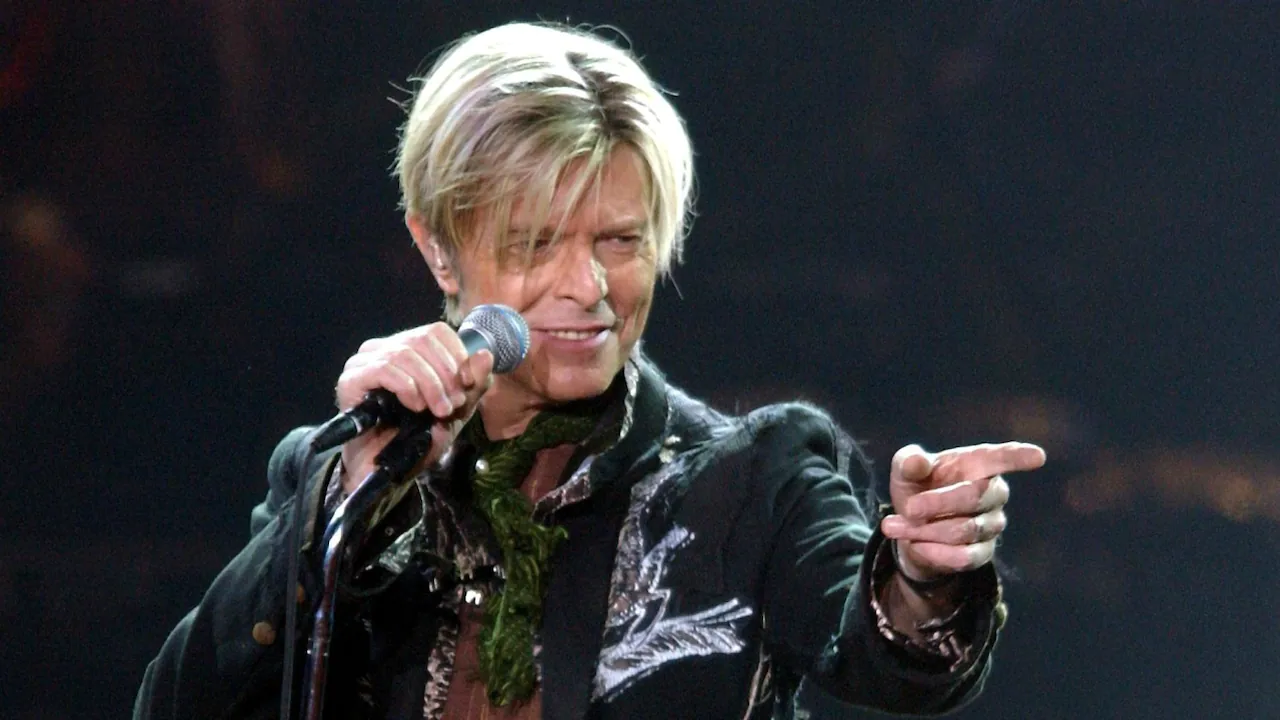
When David Bowie entered the studio to record what would become *Blackstar*, no one around him fully understood the truth of what was happening. To the outside world, he was still the endlessly inventive artist who had spent decades reinventing himself across music, film, and culture. Inside the studio, however, something far more intimate and hidden was unfolding.
Bowie was quietly battling cancer.
But he chose not to make it public.
During the recording sessions for *Blackstar*, released in January 2016, Bowie worked with a small group of trusted musicians, including jazz saxophonist Donny McCaslin and producer Tony Visconti. Even those closest to the project were unaware of the full extent of his illness. Bowie kept his condition private, revealing only what was necessary to continue working.
What the team did notice, however, was how focused he was.
Despite declining health, Bowie was deeply involved in every aspect of the album. He guided arrangements, shaped lyrics, and pushed creative boundaries in ways that felt both urgent and deliberate. There was a sense in the studio that this record mattered more than most — but no one knew why.
The sessions were intense but controlled. Bowie often appeared fragile physically, yet mentally sharp and creatively driven. He insisted on working until the music felt exactly right, even when it required additional effort that clearly strained him. Looking back, collaborators would later describe a sense of quiet determination — as if Bowie was completing something important not just artistically, but personally.
The songs on *Blackstar* reflected a tone that, in hindsight, feels unmistakable. Themes of mortality, transformation, and farewell run through the album’s seven tracks. At the time of recording, however, they were interpreted more as artistic exploration than literal reflection. Bowie had always been known for conceptual depth and symbolic storytelling, so few suspected the truth behind the lyrics.
One of the most haunting aspects is how carefully constructed the album was. Every detail — from musical shifts to visual presentation — felt intentional. The accompanying videos added layers of symbolism that only became fully understood after his passing.
On January 8, 2016, Bowie released *Blackstar* on his 69th birthday. Two days later, he died.
Only then did the full picture begin to emerge.
Producer Tony Visconti later revealed that Bowie had known he was dying during the creation of the album and had intentionally used the project as a final artistic statement. The revelation reframed everything — turning *Blackstar* from a late-career experiment into something far more profound: a carefully crafted farewell.
For fans, the realization was devastating. For those who worked with him, it was a shock layered with awe. They had not just witnessed the making of an album — they had unknowingly participated in the closing chapter of one of music’s most influential lives.
What makes the story of *Blackstar* so powerful is not only its artistry, but its secrecy. David Bowie chose to face his final days not with public spectacle, but with creation. He transformed illness into art, and farewell into music.
And when the truth finally came out, it didn’t just change how people heard the album.
It changed how they understood goodbye.