
When 72,000 people filled Wembley Stadium in 1992 for the Freddie Mercury Tribute Concert, the atmosphere was unlike anything rock history had ever seen. It was part celebration, part mourning, and part spiritual farewell to one of music’s most extraordinary figures — Freddie Mercury.
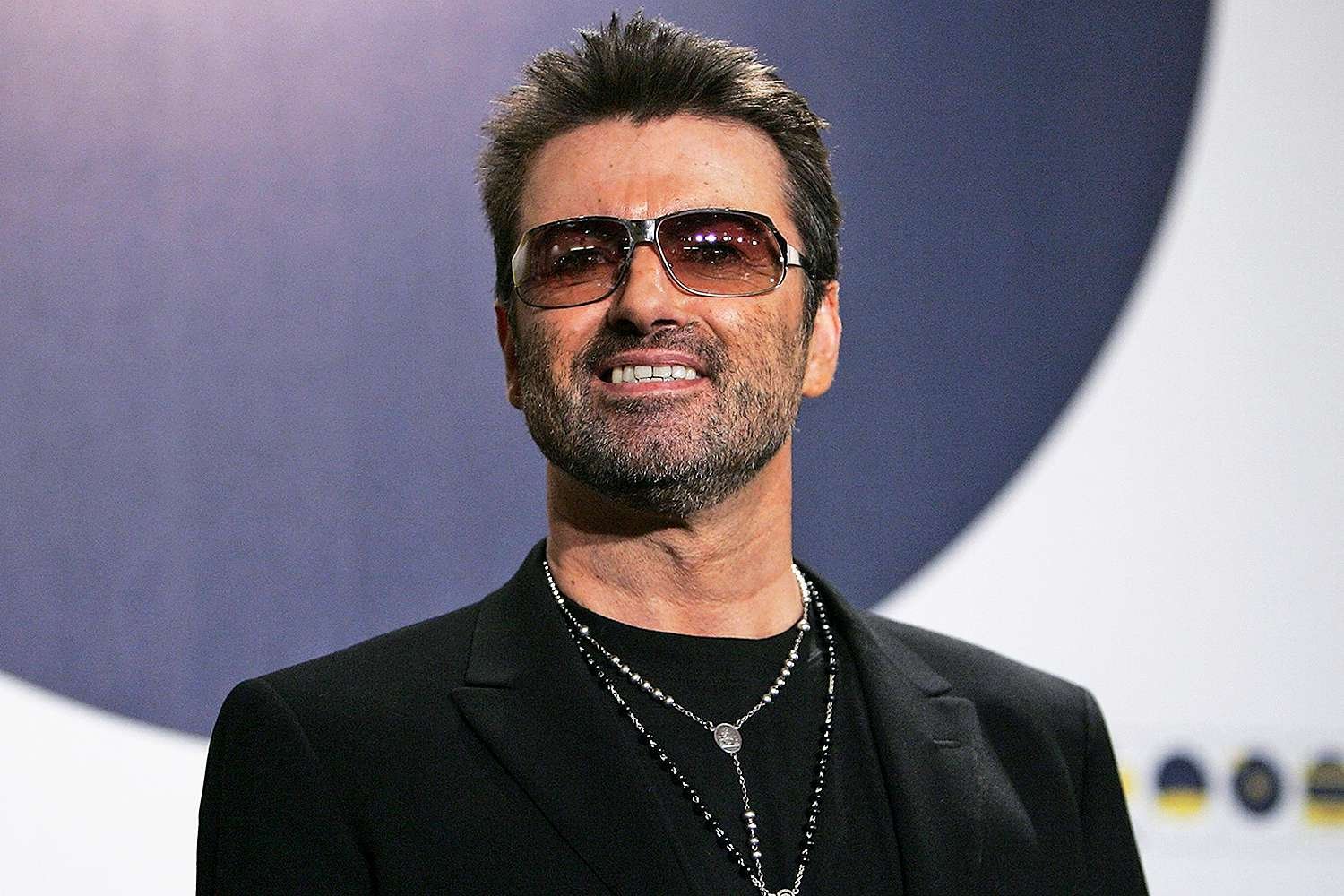
Among the night’s biggest moments came when George Michael stepped onto the stage.
But before the crowd heard a single note, few knew what was happening behind the curtain.
George Michael later admitted he was terrified.
The weight of the moment was enormous. He wasn’t just performing at a tribute concert — he was stepping into Freddie Mercury’s world, standing in front of fans who had loved Mercury with almost religious devotion. And he was about to perform one of Queen’s most demanding songs: *“Somebody to Love.”*
Backstage, tension was visible. Even though George Michael was already a global superstar, this was different. He wasn’t performing as himself — he was interpreting a legend. The band behind him was Queen themselves: Queen, minus their iconic frontman. That alone made the moment feel sacred.
When he finally walked onstage, there was a brief pause.
Then the first notes began.
What happened next shocked everyone.
From the opening line, George Michael didn’t just sing the song — he embodied it. His voice carried a raw emotional intensity that filled Wembley instantly. The nervousness he felt backstage seemed to transform into something else entirely once he hit the microphone: focus, power, and respect.
The arrangement built slowly, with Queen supporting him as he moved through the song’s shifting dynamics — from soft vulnerability to explosive gospel-style intensity. It wasn’t imitation. It was interpretation. And it worked.
By the time he reached the climactic section, the performance had become something bigger than expected. The audience of 72,000 was no longer watching a guest vocalist — they were witnessing a moment of shared memory, as if Freddie Mercury’s spirit was being honored through every note.
What made it even more remarkable was how controlled everything felt despite the emotion. George Michael balanced technical precision with visible passion, never overstepping, never trying to replace Mercury — only to pay tribute to him in the most honest way he could.
When the final note ended, the stadium erupted.
The reaction was immediate and overwhelming. Fans stood in disbelief, many visibly emotional. Even members of Queen themselves reportedly recognized how special the performance had been — not as a replacement of Freddie, but as a tribute worthy of him.
For George Michael, the moment became one of the defining performances of his career. He later reflected that stepping onto that stage was one of the most intimidating experiences of his life — but also one of the most meaningful.
Because in those four minutes, something rare happened.
A terrified artist walked onto one of the biggest stages in the world… and transformed fear into tribute, pressure into power, and silence into something unforgettable.
And for 72,000 people inside Wembley Stadium, it wasn’t just a performance.
It was a moment they would never forget — a night when music, memory, and emotion became one.