
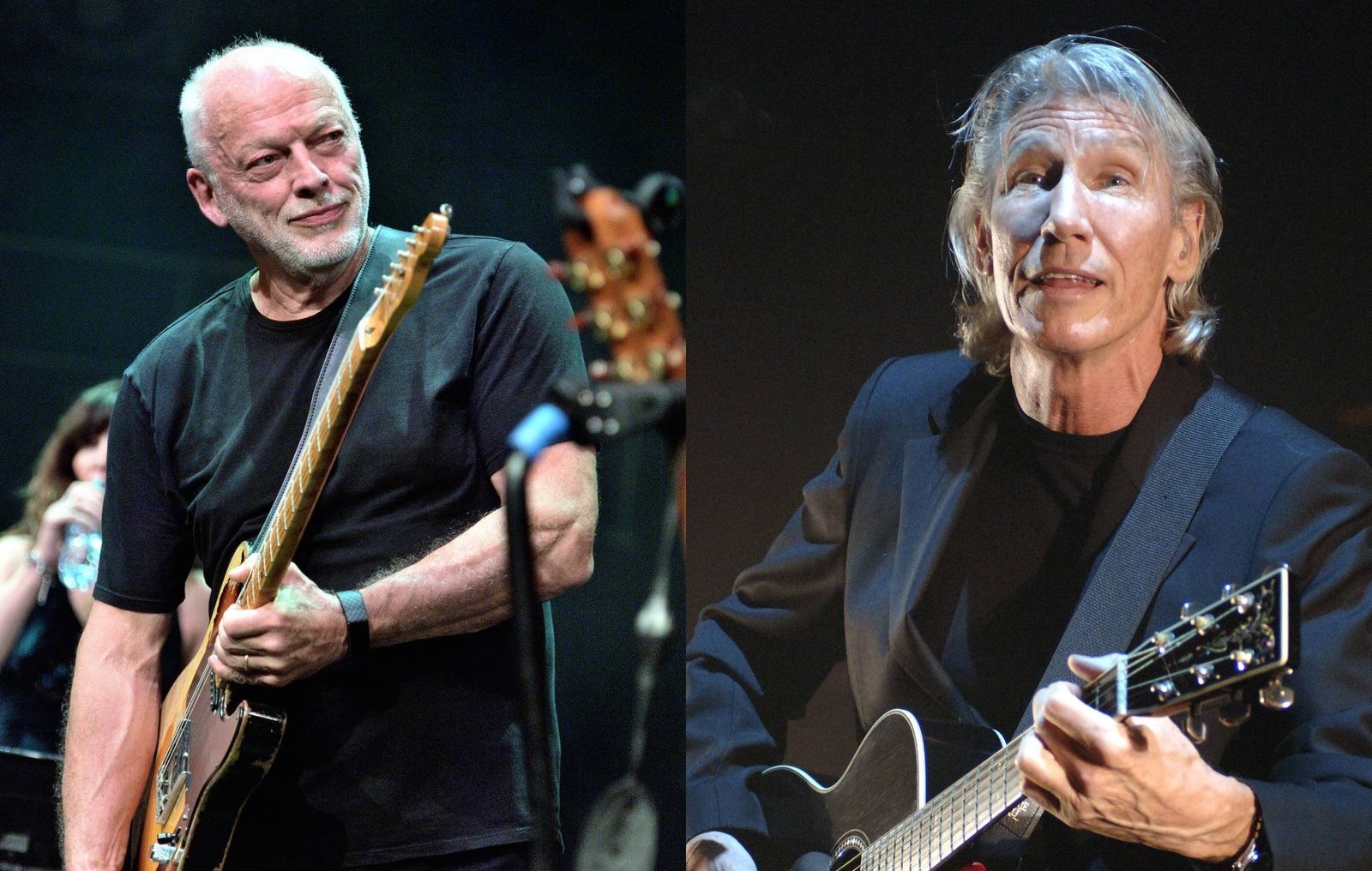
For decades, the silence between David Gilmour and Roger Waters has been as loud as the music they once created together in Pink Floyd. What began as a creative partnership that produced some of the most iconic albums in rock history slowly unraveled into one of music’s most bitter and enduring feuds.
The roots of the conflict go back to the late 1970s, during the making of *The Wall*. By this time, Waters had become the dominant creative force in Pink Floyd. Following the departure of founding member Syd Barrett and the success of albums like *The Dark Side of the Moon* and *Wish You Were Here*, Waters increasingly took control of songwriting and direction. While this led to powerful, cohesive projects, it also created tension within the band.
Gilmour, known for his melodic guitar work and more collaborative approach, began to feel sidelined. The situation escalated during *The Wall* sessions, where disagreements over creative input became constant. Keyboardist Richard Wright was even forced out of the band during this period — a move that highlighted just how fractured things had become.
By the time Pink Floyd began working on *The Final Cut* in the early 1980s, the divide was undeniable. Waters viewed the album as a deeply personal project, while Gilmour felt it barely functioned as a band effort at all. Communication broke down, and resentment grew.
Then came the breaking point.
In 1985, Waters officially left Pink Floyd, believing the band had run its course creatively. He even attempted to legally prevent the remaining members from continuing under the Pink Floyd name. But Gilmour, along with drummer Nick Mason, chose to carry on. What followed was a high-profile legal battle over the band’s name and legacy — one that deepened the personal rift even further.
From that moment on, the relationship between Waters and Gilmour became more than just a disagreement. It turned into a long-standing feud fueled by creative differences, legal disputes, and fundamentally different views on what Pink Floyd was — and should be.
Over the years, both men have spoken publicly about each other, often with sharp criticism. Waters has accused Gilmour of lacking artistic vision, while Gilmour has pushed back, suggesting Waters’ need for control ultimately drove the band apart. Their conflict has extended beyond music into public statements, interviews, and even disagreements over the band’s social media presence in recent years.
There have been brief moments of reconciliation. The most notable came in 2005, when the classic lineup reunited for the Live 8 concert. For a short time, it seemed possible that the past had been set aside. But the peace didn’t last.
Today, the divide remains.
What makes this feud so striking isn’t just its duration, but its depth. This isn’t a simple falling-out — it’s a clash of personalities, philosophies, and artistic identities that has never truly healed.
And yet, despite everything, the music they created together continues to unite millions of fans around the world.
Because while David Gilmour and Roger Waters may never reconcile, their legacy in Pink Floyd remains inseparable — a reminder that even the greatest collaborations can sometimes end in silence.