
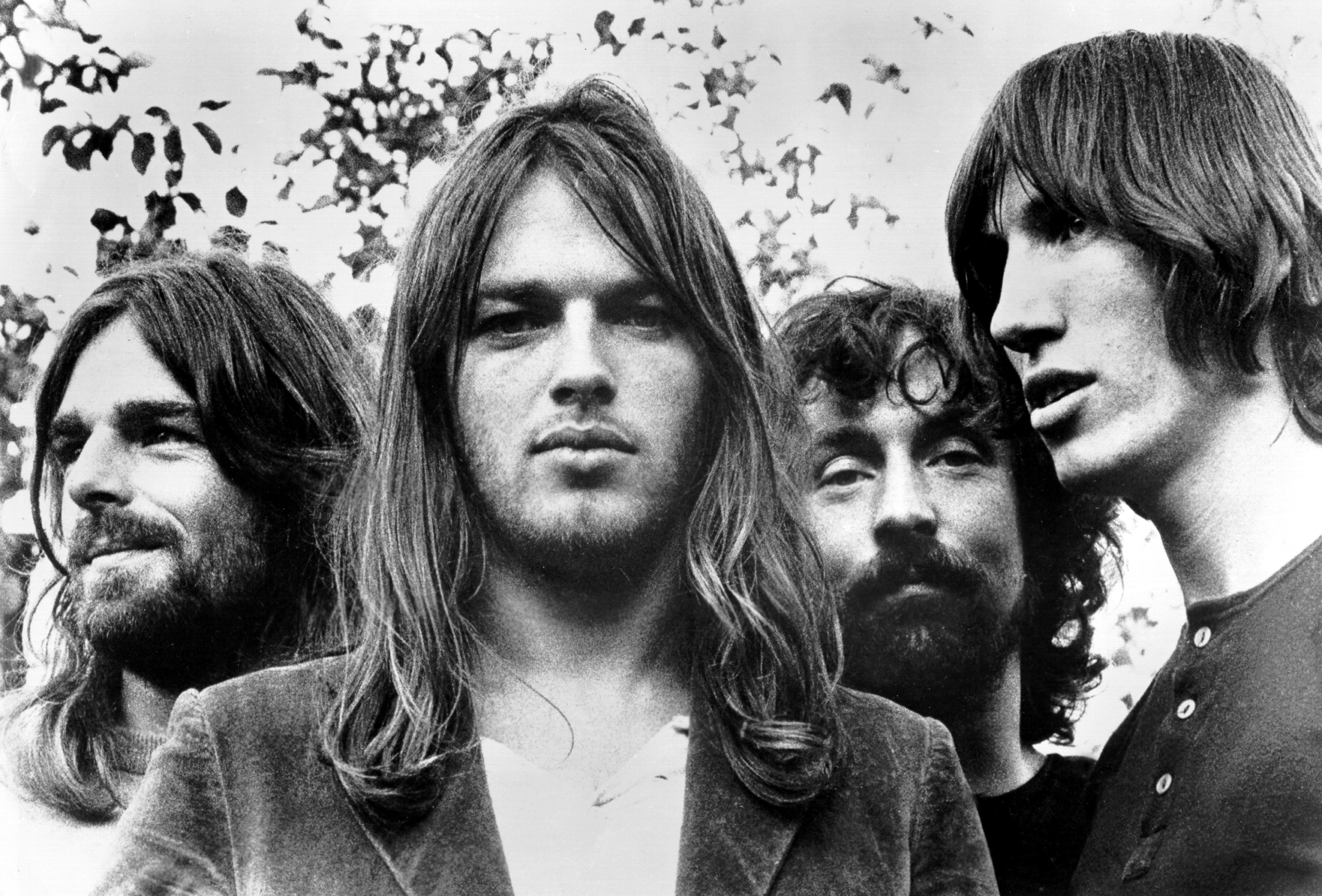
After nearly a quarter of a century of silence and public tension, the members of Pink Floyd briefly reunited in 2005 for one of the most unexpected and emotional performances in rock history.
At the center of that moment were two figures whose relationship had defined decades of conflict: Roger Waters and David Gilmour.
For years, the idea of them sharing a stage again seemed impossible. Their split in the mid-1980s had been followed by legal battles, public disagreements, and a long-standing creative and personal divide. Even when both acknowledged the legacy of Pink Floyd, they rarely agreed on anything else related to the band’s future.
So when news broke that Waters would join Gilmour, Nick Mason, and Richard Wright for a one-night appearance at Live 8 in London, fans around the world were stunned.
The question wasn’t just *how* it happened — it was *why now?*
The answer, as Waters later explained, wasn’t about reconciliation in the traditional sense. It wasn’t that the tension had magically disappeared or that old disagreements had been resolved. Instead, the motivation came from something bigger than personal history: the cause behind the concert.
Live 8, organized by Bob Geldof, was designed to raise awareness about global poverty and pressure world leaders to take action on debt relief for developing nations. The scale and moral urgency of the event created a rare situation where artistic differences suddenly felt smaller than the message being delivered.
Waters admitted that the cause made it easier to say yes. It wasn’t about reforming Pink Floyd or reopening old wounds — it was about contributing to something meaningful, even if only for one night.
Behind the scenes, there were practical challenges as well. Rehearsals were limited, conversations were brief, and expectations were carefully managed. Everyone understood this was not a full reunion, but a symbolic gesture. Even so, the emotional weight of stepping onto the same stage after 24 years was undeniable.
When the band finally appeared together at Hyde Park, the reaction was immediate. Tens of thousands of fans erupted as the opening notes of “Speak to Me / Breathe” filled the air. For a moment, history seemed to pause.
Waters stood alongside Gilmour, Mason, and Wright not as longtime collaborators reborn, but as individuals sharing a temporary truce in service of music and message. The performance that followed included classics like “Money” and “Comfortably Numb,” songs that had defined an era of rock and carried the imprint of their complicated partnership.
What surprised many wasn’t just that Waters agreed to perform — it was how natural, if brief, the chemistry felt on stage. Years of separation didn’t erase the familiarity of the music they had created together.
Yet, even in that moment, everyone involved knew it was temporary. There were no plans for a tour, no promises of future collaboration. After the final note, they stepped away from each other again, returning to the separate paths they had long walked.
Still, the significance of that night endured.
It showed that even the deepest divides in rock history could be bridged — if only briefly — when something larger than ego or conflict came into focus.
For fans of Pink Floyd, the Live 8 reunion wasn’t just a performance. It was a reminder of what once was, what could still exist in fleeting moments, and what might always remain just out of reach.
And for Waters and Gilmour, it was proof that silence doesn’t always mean the end — sometimes, it just waits for the right reason to break.