
When people talk about The Beatles, they often focus on the powerful songwriting partnership of Paul McCartney and John Lennon. Together, they wrote most of the band’s biggest hits. Their names became almost inseparable, stamped on song after song as “Lennon–McCartney.”
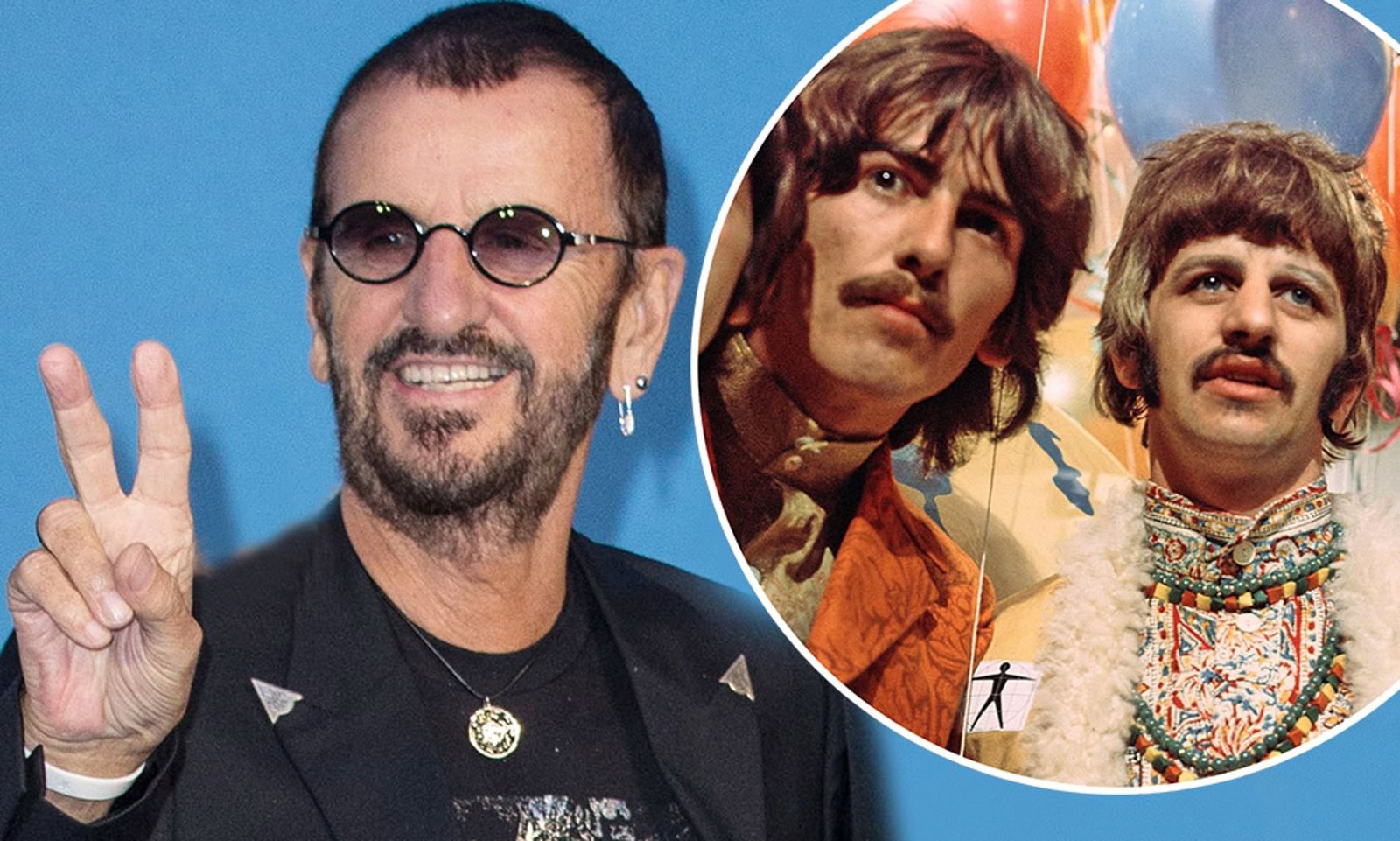
But The Beatles were a four-piece band. Alongside them were George Harrison and Ringo Starr — two talented musicians who often stood in the shadow of that famous songwriting duo.
Living in the Shadow
In the early years, Harrison was still growing as a songwriter. Lennon and McCartney had a head start and strong creative chemistry. Naturally, they took control in the studio. Ringo Starr was comfortable focusing on drums and vocals, rarely pushing to have his own songs included.
But as the 1960s went on, Harrison improved quickly. He began writing deeper, more personal songs. The problem was space. A Beatles album only had so many tracks, and Lennon and McCartney usually filled most of them. Harrison would sometimes get just one or two songs per album.
That kind of creative limitation can be frustrating for any artist. Harrison later admitted that he felt overlooked. Even though he respected his bandmates, he wanted more freedom. His friend Bob Dylan once suggested that if Harrison had led his own band from the start, he might have been just as big as anyone else. That says a lot about how other musicians viewed his talent.
The Breaking Point
By 1969, tensions inside The Beatles were high. During the recording sessions that would later be seen in the Let It Be era, Harrison briefly walked out of the band. He was tired of feeling unheard. Though he returned, it was clear that the group was falling apart.
Not long after, The Beatles officially split in 1970. For fans, it was heartbreaking. But for Harrison, it was also a new beginning.
A Powerful Solo Statement
Soon after the breakup, Harrison released All Things Must Pass. The album was a huge moment for him. It was a triple album filled with songs he had written over the years — many of which had been rejected or ignored by The Beatles.
The record was both a critical and commercial success. It showed the world that Harrison was not just “the quiet Beatle.” He was a serious songwriter with emotional depth and spiritual insight. Songs from the album are still loved today.
The title itself, All Things Must Pass, felt symbolic. It suggested acceptance — that nothing lasts forever, not even the biggest band in the world.
Ringo’s Journey and a Helping Hand
Ringo Starr also built a solo career after the breakup. He had several successful singles in the 1970s and worked with many famous musicians. By 1981, he was preparing to release his eighth solo album, Stop and Smell the Roses.
For this project, Starr collaborated with many friends, including his former bandmates. One of the standout tracks was Wrack My Brain, written and produced by Harrison.
The song was catchy and energetic, perfectly suited to Starr’s voice. At the same time, its lyrics reflected some frustration — possibly about fame, pressure, and the music industry. Even after The Beatles ended, the emotions connected to that period still lingered.
Although the album did not become a massive hit, “Wrack My Brain” remains a meaningful example of the friendship between Harrison and Starr. It proved that despite past tensions, the former Beatles still supported one another creatively.
More Than Just Supporting Players
It is easy to focus only on Lennon and McCartney when discussing The Beatles. Their partnership changed music forever. But the full story of the band is richer than that.
George Harrison grew into a songwriter of remarkable depth, finally proving his strength once he stepped out on his own. Ringo Starr, while never as driven to write, built a steady solo career filled with personality and collaboration.
In the end, The Beatles were four unique individuals. While two often led the spotlight, the other two quietly developed their own voices. And once they had the space to shine, they showed the world just how bright they could be.