
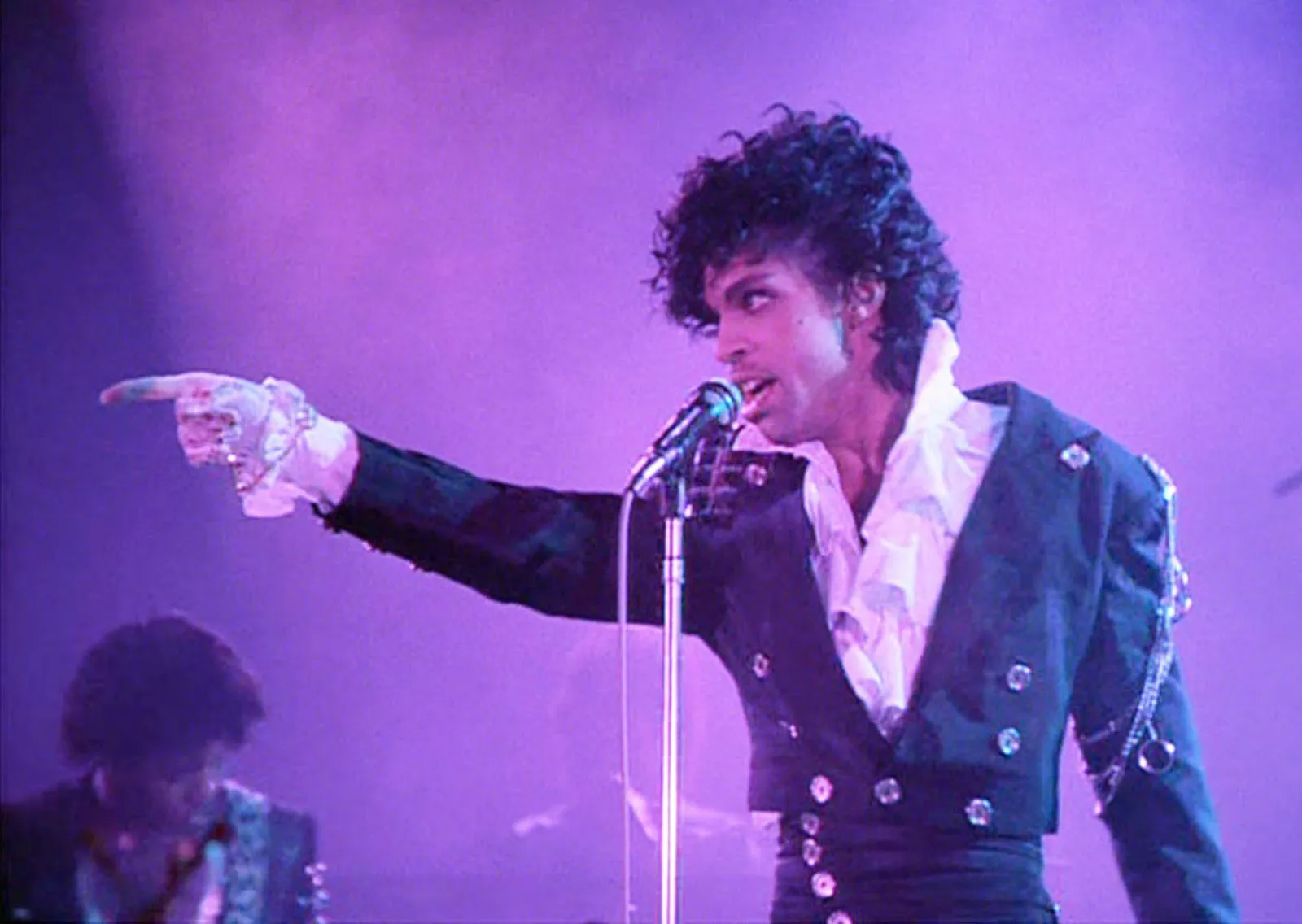
For decades, Prince wasn’t just ahead of his time musically—he was fiercely protective of his art in ways that often put him at odds with the music industry. One of the clearest examples of this was his long-standing refusal to allow his catalog on major streaming platforms. At a time when the world was shifting rapidly toward digital access and convenience, Prince stood firm, choosing control over ubiquity.
A Battle for Artistic Ownership
Prince’s resistance to streaming wasn’t rooted in technophobia—it was philosophical. He believed that music was more than just disposable content to be consumed on demand. To him, it was an experience, something intentional and sacred.
Much of his stance came from years of conflict with record labels. His highly publicized dispute with Warner Bros. in the 1990s—where he even changed his name to an unpronounceable symbol—was about ownership and artistic freedom. Streaming, in his eyes, represented another system where artists lost control and were underpaid.
He once famously said, “The internet’s completely over,” reflecting his frustration with how digital platforms devalued music. Streaming services, with their fractions-of-a-cent payouts per play, reinforced his belief that artists were being exploited in new ways.
The TIDAL Exception
Despite his general opposition, Prince wasn’t entirely closed off to digital platforms. In 2015, he made a surprising move by partnering with Tidal, the artist-owned streaming service led by Jay-Z.
This decision made sense within Prince’s framework. TIDAL marketed itself as a platform that prioritized artists—offering higher payouts and giving musicians more control over their work. For Prince, this wasn’t just a business deal; it was an alignment of values.
Still, even with TIDAL, his catalog remained limited and selectively available. He continued to hold back much of his music from the broader streaming ecosystem.
What Changed Near the End
In the months leading up to his death in April 2016, there were subtle but meaningful shifts in Prince’s approach. While he never fully embraced mainstream streaming platforms like Spotify or Apple Music, there were signs that he was beginning to reconsider his stance.
Some reports suggest that Prince had been in discussions about expanding his digital presence. Others point to his increasing awareness that younger audiences were discovering music almost exclusively through streaming. The idea of being absent from that space may have started to conflict with his desire to remain culturally relevant and accessible.
There was also a practical reality: the industry had changed irreversibly. Streaming wasn’t just the future—it was the present.
The Aftermath: A Digital Floodgate Opens
After Prince’s passing, everything changed quickly. His estate took a dramatically different approach, making his entire catalog widely available across all major streaming platforms.
Suddenly, the music that had once been carefully guarded was everywhere—introducing his genius to a new generation of listeners. Albums like Purple Rain and 1999 found fresh life in playlists and recommendations, reaching audiences Prince himself had resisted.
Legacy vs. Control
Prince’s complicated relationship with streaming reflects a deeper tension that still exists in the music industry today: the balance between artistic control and accessibility.
Was he right to resist? In many ways, yes. His concerns about artist compensation and ownership remain highly relevant. But his late-life openness hints at a recognition that connection with listeners sometimes requires meeting them where they are.
In the end, Prince didn’t fully surrender to streaming—but he may have begun to understand its inevitability. And perhaps, in that quiet shift, we see not contradiction, but evolution.