
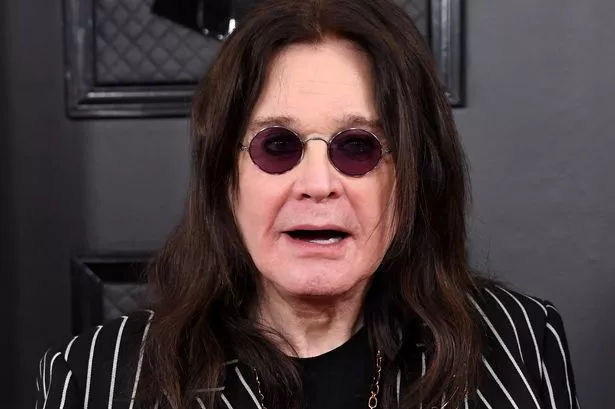
On April 27, 1979, Bill Ward knocked on a door in Los Angeles and delivered news that nobody in rock had seen coming. Ozzy Osbourne — founding member, lead vocalist, the voice of Black Sabbath since 1968 — was being fired. Ward had been chosen to deliver the message because, as Osbourne later put it, he wasn’t exactly the firing type. The conversation was brief. The fallout lasted a lifetime.
Osbourne recalled the moment years later: “We were doing some rehearsals in L.A., and I was loaded, but then I was loaded all the time. It was obvious that Bill had been sent by the others, because he wasn’t exactly the firing type.”
The official reason was unreliability. Black Sabbath had rented a house in Bel Air to begin writing their next album, and Ozzy simply stopped showing up. For six weeks, no one knew where he was. “Ozzy was going to clubs and getting really out of it and not coming home,” Tony Iommi said. “It got to a stage where nothing was happening with him. He came apart on us.”
But Osbourne has never fully accepted that version of events. His counter-argument was blunt and, by most accounts, not entirely wrong: everyone in Black Sabbath was deep in drugs and alcohol at that point. The difference, he argued, was that he was the only one punished for it. As he wrote in his memoir I Am Ozzy: “We were four blokes who’d grown up together a few streets apart. We were like family, like brothers. And firing me for being f—ed up was hypocritical. We were all f—ed up.”
There is something to that. The band had a documented history of substance abuse across every member. As Iommi acknowledged, while all the band smoked, drank, and took drugs in the 1970s, Osbourne had the unhealthiest lifestyle of them all — yet was typically the only one left standing when the others were out for the count.
What made the firing truly shocking wasn’t just the act itself — it was what came after. Following his dismissal, Osbourne spent the next three months locked in his hotel room, consuming alcohol and drugs all day, every day. He was convinced his career was over. He had no band, no plan, and no idea what came next.
What came next was Sharon Arden. Don Arden, a music manager with a reputation for bluntness, sent his daughter to Los Angeles to look after Osbourne and protect the family’s investment in him. She arrived to find a man in ruins. What she built from that wreckage became one of the most successful solo careers in rock history — and one of music’s most enduring partnerships, personal and professional.
Black Sabbath, meanwhile, replaced Osbourne with Ronnie James Dio and made Heaven and Hell, widely considered one of their finest records. Both paths worked. Both men thrived. But the wound of that April morning in Los Angeles never fully healed. Osbourne reunited with Sabbath multiple times over the following decades, but the 1979 split always left its mark — a reminder that sometimes the most important turning points in a life arrive not as opportunities, but as doors being closed in your face.