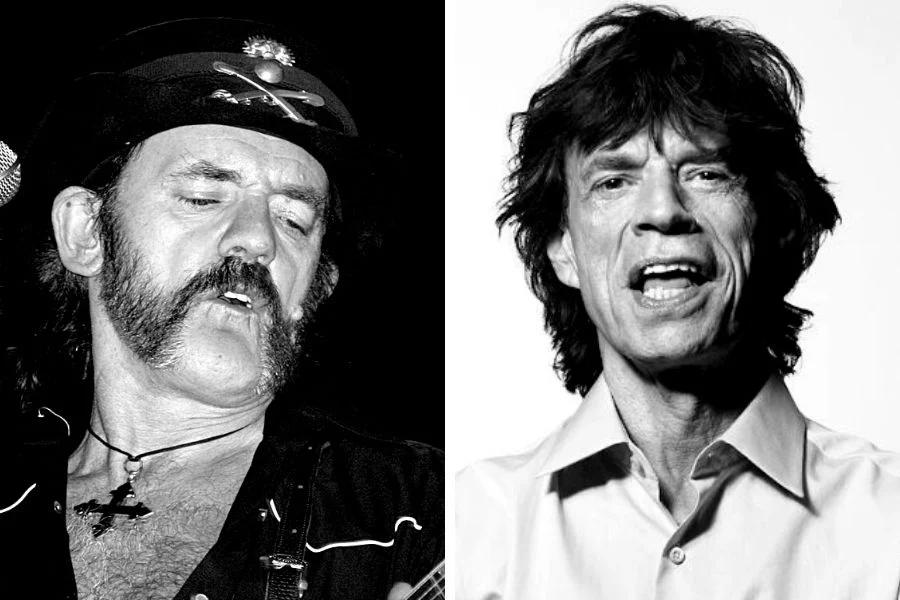
Lemmy Kilmister, the legendary frontman of Motörhead, was known for many things: his gravel-rough voice, his love of loud music, and his brutal honesty. When Lemmy liked something, he said it. And when he didn’t, he said that even louder. One topic he never backed down from was the famous rock and roll debate: The Beatles or The Rolling Stones. For Lemmy, the answer was always clear — The Beatles, no contest.
Lemmy was born in 1945 and grew up during the explosion of rock music in the 1960s. He experienced the rise of British bands firsthand, not just through records but through real life. He saw The Beatles play early shows and felt their impact before they became global icons. To Lemmy, The Beatles weren’t just a pop band — they were the real deal.
In his autobiography White Line Fever, Lemmy explained why he respected The Beatles so much. He believed they were tough men shaped by a tough environment. They came from Liverpool, a working-class port city filled with dock workers and sailors. According to Lemmy, that background gave them grit and attitude, even if their manager later polished their image for the mainstream audience. Underneath the clean suits and catchy songs, Lemmy felt The Beatles had real strength and authenticity.
Lemmy especially admired their originality. He thought The Beatles were funny, creative, and constantly evolving. They pushed music forward instead of repeating the same ideas. To him, they had everything — great songs, strong personalities, and an unmatched stage presence.
When it came to The Rolling Stones, however, Lemmy had far less praise. He didn’t hate their music, but he never thought they were on the same level. He once described The Stones as “mummy’s boys,” meaning he felt they came from more comfortable backgrounds and chose to look rebellious rather than truly living it. In Lemmy’s eyes, their rough image felt forced compared to the natural edge of The Beatles.
Lemmy also criticized The Stones’ live performances. He openly said they were often bad on stage, especially compared to The Beatles. One moment that stuck with him was seeing The Stones play at Hyde Park in 1968, shortly after the death of founding member Brian Jones. While many fans remember the show as emotional and historic, Lemmy remembered it as messy and out of tune. That experience only strengthened his opinion.
Still, Lemmy was fair enough to admit that The Rolling Stones made great records. Even though he preferred The Beatles in every possible way, he never denied that the Stones had classic songs and albums. This makes his views more interesting — he wasn’t just blindly attacking them, he simply believed they fell short of true greatness.
This is what makes it surprising that Motörhead later covered Sympathy for the Devil, one of The Rolling Stones’ most famous songs. Released in 2015, the cover proved that even with all his insults, Lemmy had respect for good songwriting. He may not have liked the band’s image or performances, but he could still appreciate a powerful song when he heard one.
In the end, Lemmy’s opinions say a lot about what he valued in music. For him, rock and roll was about honesty, toughness, and originality — not image or attitude for show. That’s why, in his mind, The Beatles stood above everyone else. You didn’t have to agree with him, but with Lemmy, you always knew one thing: he meant every word he said.