
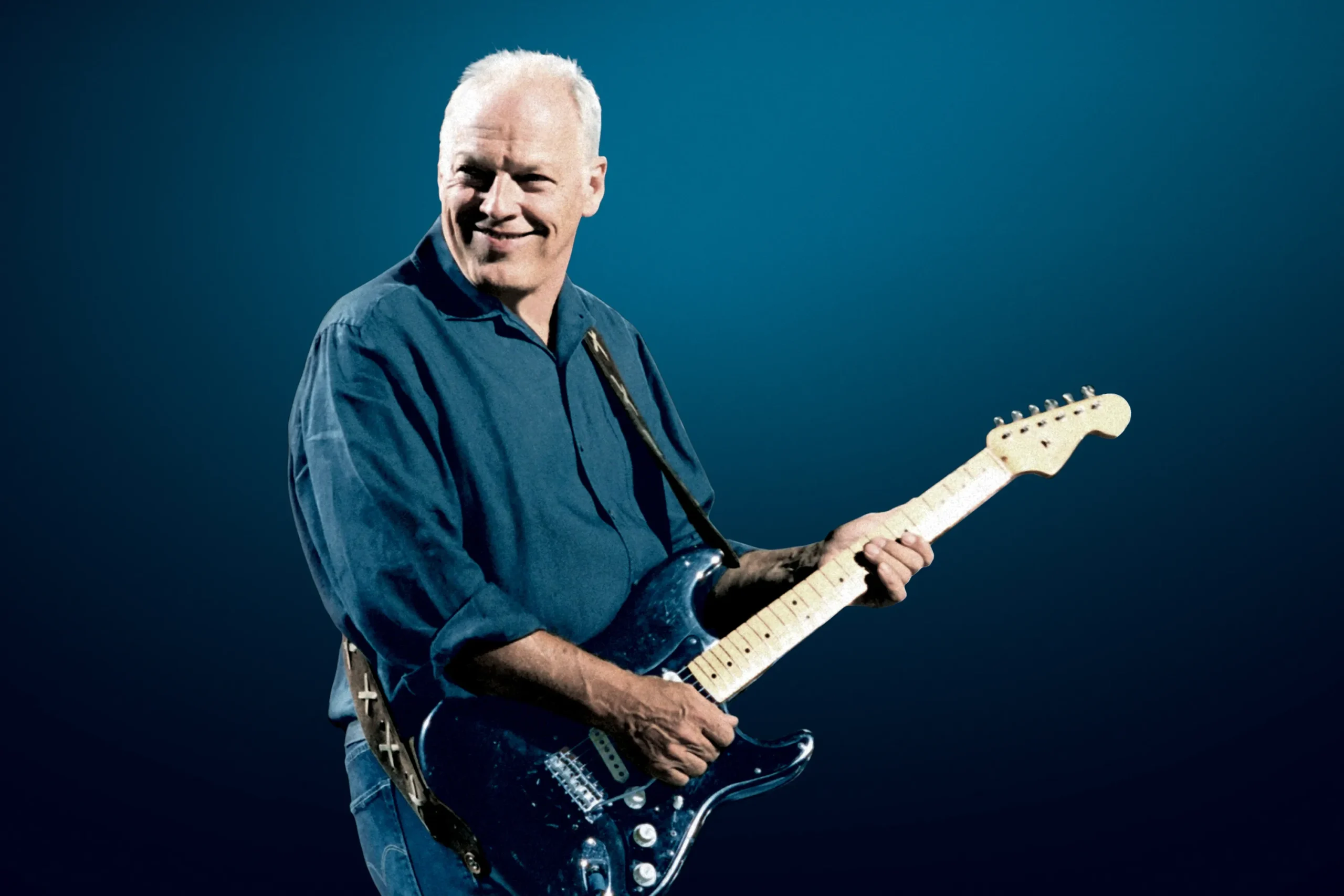
Few breakups in rock history have played out as publicly—or lasted as long—as the one that fractured Pink Floyd. At the heart of it is the enduring rift between David Gilmour and Roger Waters, a creative partnership that once defined the band’s identity before ultimately pulling it apart. For years, both have been clear: a reunion is off the table. But in 2022, Gilmour made a rare exception—just once, and for a reason bigger than the band itself.
On April 8, 2022, as the world watched the unfolding crisis of the Russian invasion of Ukraine, Pink Floyd released “Hey, Hey, Rise Up!”—their first new material in nearly a decade. A physical version followed in July, paired with a newly recorded take on “A Great Day for Freedom,” originally from The Division Bell.
Gilmour described the decision as intentional: using the band’s global platform to support Ukraine. Years earlier, he had treated 2014’s “Louder Than Words” as a closing chapter. But this moment felt different—urgent enough to reopen the door, even briefly.
By then, the surviving members of Pink Floyd included Gilmour, Waters, and drummer Nick Mason. With tensions between Gilmour and Waters unresolved, Mason became the only other core member involved in the recording.
The emotional core of the track came from Andriy Khlyvnyuk, frontman of BoomBox. Having stepped away from touring to join Ukraine’s defense forces, Khlyvnyuk contributed a powerful a cappella performance of the traditional anthem “Oh, The Red Viburnum in the Meadow.” That raw vocal became the foundation of the entire piece.
Gilmour first encountered the clip through his daughter-in-law, Ukrainian artist Janina Pedan, after it spread online. The impact was immediate—it wasn’t just a performance, it was a moment that demanded to be built upon.
For Gilmour, the project became a way to respond to something that otherwise felt out of reach. Faced with the helplessness of watching a distant war unfold, music offered a form of action.
Khlyvnyuk’s voice didn’t just inspire a song—it gave Gilmour a sense of direction. It turned frustration into something tangible, something that could reach millions and carry a message beyond words alone.
Despite the significance of “Hey, Hey, Rise Up!”, Gilmour has made it clear: this was never the beginning of a reunion. The divide within Pink Floyd remains.
What happened in 2022 wasn’t about revisiting the past. It was about responding to the present—a rare moment where music, purpose, and timing aligned. And just as quickly as it appeared, that version of Pink Floyd stepped back into silence, leaving behind a single statement shaped by urgency, not nostalgia.