
For more than a hundred years, Nessun Dorma has been considered one of the most challenging and powerful arias in opera. Taken from Turandot by Giacomo Puccini, the piece demands extraordinary control, stamina, and emotional depth from any singer brave enough to perform it. Over the decades, many great tenors have attempted it, but none made it more famous than Luciano Pavarotti, whose soaring voice turned the final cry of “Vincerò!” into one of the most iconic moments in classical music.
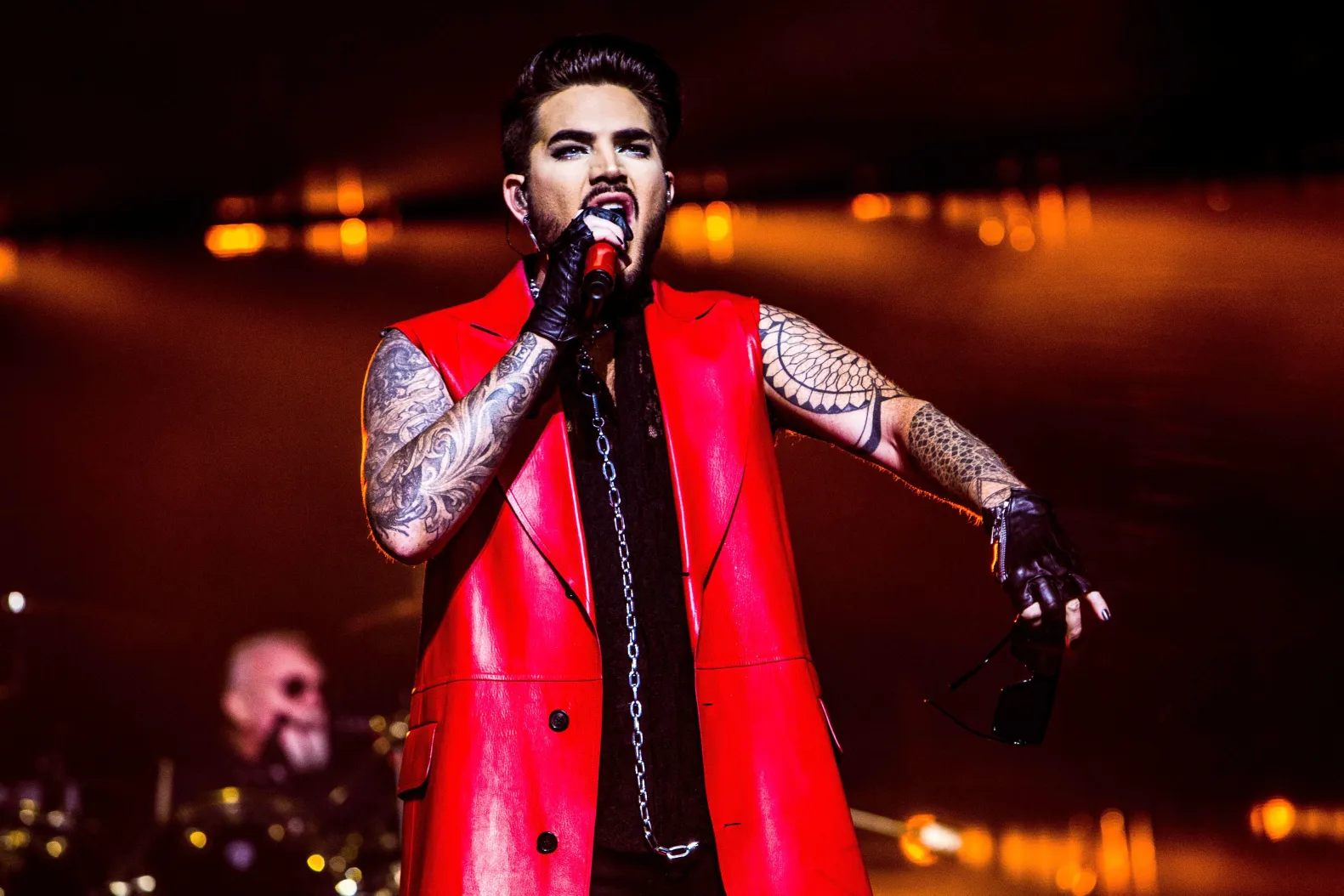
So when Adam Lambert stepped onto a stage in Bologna, Italy, and revealed he would perform the aria, the reaction from the audience was mixed.
Bologna is a city deeply connected to Italy’s classical music tradition. Opera lovers there are known for their high standards and deep respect for the art form. To many traditionalists, “Nessun Dorma” is not just another song—it’s almost sacred territory, usually reserved for highly trained operatic tenors who have spent years mastering the craft.
Lambert, widely known for his powerful voice and his performances with Queen, understood that he was stepping into unfamiliar territory.
At the beginning of the performance, the atmosphere in the hall reflected that uncertainty. Some audience members reportedly watched with folded arms and cautious expressions. For certain opera purists, the idea of a rock singer tackling such a legendary aria raised doubts.
Then the orchestra began.
Lambert approached the piece carefully, choosing subtlety over showmanship. Instead of trying to overwhelm the audience with power from the start, he let the melody develop naturally. Each phrase was delivered with steady breath control and careful attention to the song’s dramatic rise.
As the performance progressed, the mood in the room slowly began to change.
The orchestra grew fuller, the melody climbed higher, and Lambert’s voice gained strength with every line. By the time the aria reached its famous final passage, the audience was fully engaged.
Then came the moment everyone was waiting for.
When Lambert delivered the final, sustained “Vincerò,” his voice rang through the hall with remarkable clarity and power. The note carried across the room with a richness that surprised even experienced opera listeners.
For a brief second after the note ended, the hall remained completely still.
Then the applause began.
It quickly grew into a powerful ovation, with many audience members rising from their seats. Those who had seemed skeptical at the beginning of the performance were now among the loudest supporters.
Watching from backstage was Brian May, Lambert’s longtime collaborator in Queen. According to those close to him, he was visibly impressed by what had just happened.
Later, May reportedly described the performance as a defining moment. For him, it showed that Lambert was far more than the vocalist helping carry Queen’s touring legacy—he was an artist with a unique voice capable of crossing musical boundaries.
For generations, “Nessun Dorma” has tested the limits of singers around the world. Many perform it with respect for its history, but few manage to bring something fresh to such a legendary piece.
On that evening in Bologna, Adam Lambert proved that a powerful voice can bridge the gap between rock and opera. What began with doubt ended with unity—opera devotees and rock fans alike applauding the same unforgettable note.