
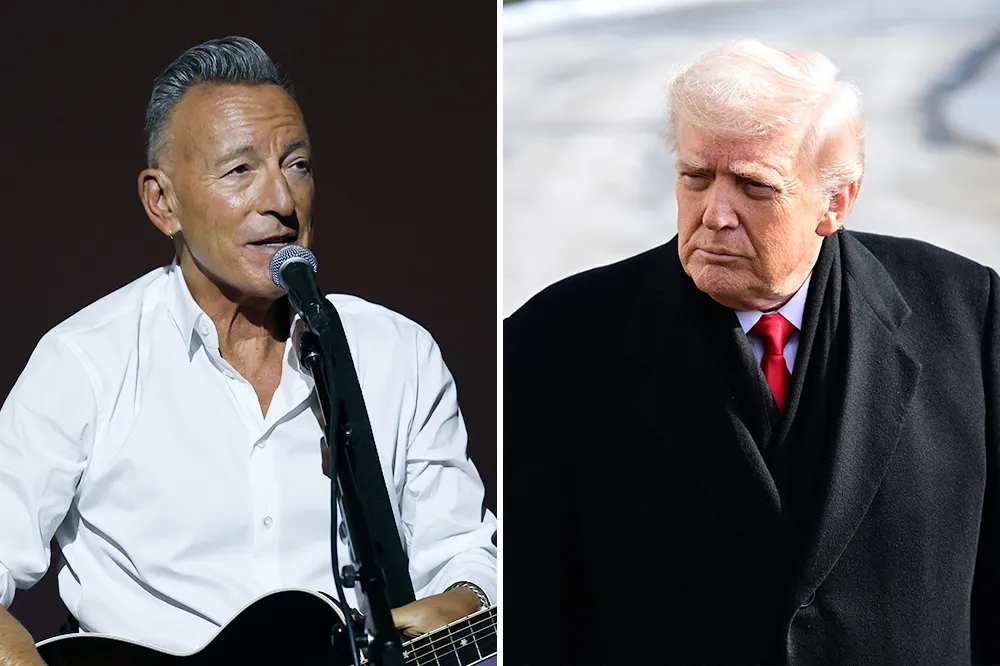
Legendary rock musician Bruce Springsteen recently released a new protest song titled “Streets of Minneapolis.” The song quickly gained attention because it strongly criticizes immigration enforcement actions carried out by ICE (Immigration and Customs Enforcement) in Minneapolis. It also sparked a response from the Trump administration, turning the song into a national conversation about music, politics, and protest.
Springsteen released the song very quickly. He said he wrote it on a Saturday and recorded it just days later. This fast release shows how deeply affected he was by what he described as violence and fear in Minneapolis. According to Springsteen, the song was inspired by clashes between federal agents and protesters, as well as the deaths of Alex Pretti and Renee Good, two people connected to the unrest in the city.
In his message, Springsteen dedicated the song to the people of Minneapolis, especially immigrant communities. He said the song is about standing up for innocent people and speaking out against what he sees as abuse of power. The lyrics describe a city under pressure, filled with tension, fear, and resistance. The tone of the song is emotional and serious, continuing Springsteen’s long history of writing music about working people, justice, and freedom.
Along with the song, Springsteen also released a lyric video. The video shows him recording the track and includes real footage from protests and confrontations involving ICE in Minneapolis. These images make the message even stronger and more direct. Many fans praised Springsteen for using his voice and influence to highlight what they see as an important issue.
However, the song did not go unnoticed by the Trump administration. A White House spokesperson responded by dismissing the song. The statement said that the administration is not focused on “random songs” and claimed that the song contains inaccurate information. Instead, the White House said it is focused on enforcing immigration laws and removing what it calls “dangerous criminal illegal aliens.”
The statement also criticized Democratic leaders, accusing them of refusing to work with federal law enforcement and of supporting “sanctuary” policies. Rather than addressing the specific events mentioned in the song, the administration shifted the conversation toward immigration policy and political disagreements.
This exchange highlights a bigger issue: the growing connection between music and politics. Springsteen has never been shy about sharing his political views. Over the years, he has openly criticized the Trump administration and has used concerts and songs to express his concerns. For him, music is not just entertainment — it is a way to speak out and tell stories that might otherwise be ignored.
Reactions to the song have been mixed. Supporters say Springsteen is doing what artists should do: speaking truth, standing with vulnerable people, and using art to challenge power. Critics argue that the song oversimplifies a complex issue and unfairly attacks law enforcement. Regardless of opinion, the song has clearly made an impact.
In today’s world, protest songs still matter. They start conversations, bring attention to social issues, and reflect the emotions many people feel but struggle to express. “Streets of Minneapolis” is one example of how a song can move beyond music and become part of a larger national debate.
In the end, whether people agree with Bruce Springsteen or the Trump administration, this moment shows that music remains a powerful force. A single song can spark headlines, political responses, and public discussion — proving that art still has the power to challenge, inspire, and divide.