
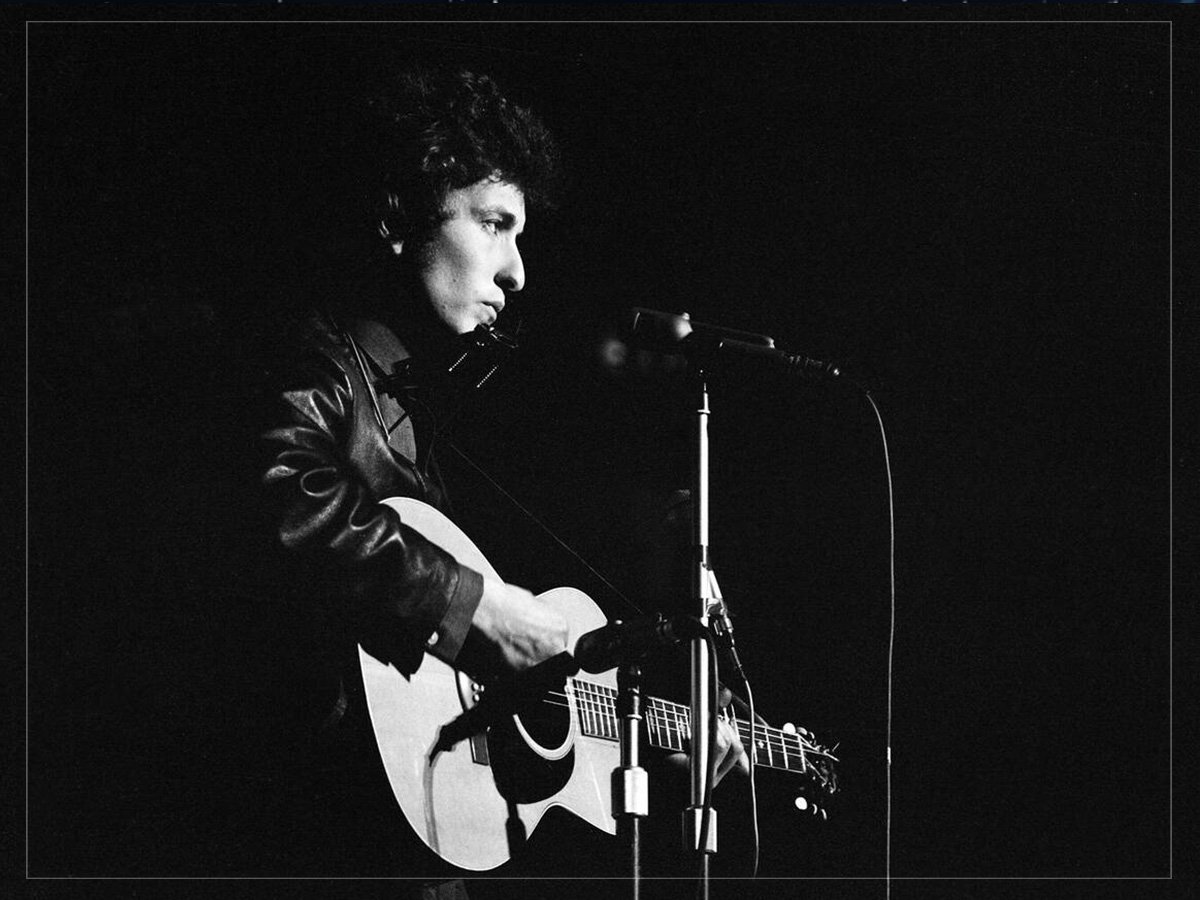
Bob Dylan is often described as one of the greatest songwriters of all time, but what makes him truly special is not just one era, one song, or one sound. From the very beginning of his career, Dylan was never interested in staying comfortable. While many artists try to repeat what already worked for them, Dylan was always chasing the next musical idea. He wasn’t trying to recreate his past success — he was trying to follow his curiosity.
In the 1960s, Dylan became famous for his folk songs, many of which felt like modern hymns. His lyrics spoke about society, politics, and human emotions in ways that felt honest and powerful. At the time, many people believed this was “his sound” and expected him to stay there forever. But Dylan had other plans. When rock and roll started to take over, he didn’t hesitate to change direction, even if it upset some of his fans. For him, music was not about pleasing expectations — it was about growth.
One thing Dylan never tried to be was a flashy musician. He wasn’t interested in showing off technical skills or long guitar solos. While rock music began to focus more on musicianship and complex playing, Dylan stayed focused on what he did best: lyrics. He knew his strength was storytelling. His songs weren’t built around difficult chords or impressive technique, but around words that painted pictures and made listeners think.
In many ways, Dylan’s writing style was closer to jazz than traditional rock. Jazz musicians are known for improvising and creating magic in the moment. Dylan did something similar with words. Some of his songs stretched across many verses, each one adding a new layer of meaning. Instead of one big musical climax, his songs slowly revealed their power through language. For Dylan, a strong story mattered more than any guitar solo ever could.
That doesn’t mean Dylan ignored other songwriters. In fact, he openly admired artists who had skills he felt he didn’t. Songwriters like James Taylor and Randy Newman focused more on melody, harmony, and musical detail. James Taylor’s gentle fingerpicking and emotional delivery made songs like “Fire and Rain” unforgettable. Randy Newman, though not known for a smooth voice, showed incredible skill in harmony and songwriting structure. Dylan respected these artists and even admitted that he didn’t see himself in the same category as them.
But this honesty reveals something important: Dylan understood that music doesn’t have just one definition of greatness. His songs were often rough, challenging, and not always easy to understand. He even admitted that his work wasn’t for everyone. Still, for listeners who paid close attention, his lyrics offered more depth than many popular songs of the time.
As Dylan grew older, his music continued to evolve. Albums like Blood on the Tracks showed a deeply personal side of him, focusing on heartbreak and emotional pain. Later records like Time Out of Mind reflected on aging, regret, and mortality. These weren’t songs written by someone trying to relive their glory days. They were written by an artist still searching, still learning, and still honest.
Dylan’s music may not always be pretty or polished, but that’s exactly why it matters. He proved that a song doesn’t need perfect melody or complex structure to be powerful. As long as the words mean something to the person writing them, the song has value.
In the end, Bob Dylan’s legacy isn’t about being the best guitarist or the smoothest singer. It’s about refusing to stand still. He followed his instincts, trusted his words, and let the music lead him wherever it wanted to go. And because of that, he didn’t just write songs — he changed what songwriting could be.