
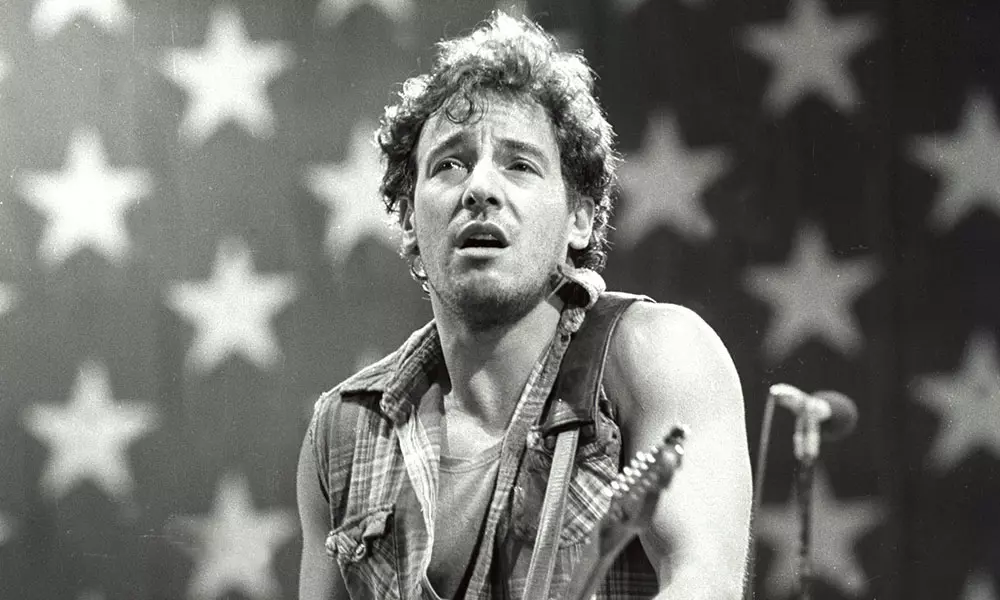
In the late 1980s, Bruce Springsteen surprised many fans by stepping away from the E Street Band, the group that had helped shape his sound for years. He placed the band on an indefinite break because he felt unsure about what to do next creatively. In interviews, Springsteen later admitted that he had lost direction at that time and wanted to try something new. He moved to Los Angeles and decided to work with session musicians instead of his longtime bandmates. This change led some fans to criticize him, saying he had “gone Hollywood” and drifted away from his roots.
During this period, Springsteen released two albums in 1992: Human Touch and Lucky Town. These albums were very different from his earlier work. The sound was smoother and more polished, and the songs focused more on personal relationships than on working-class struggles. While some listeners appreciated the change, many longtime fans and critics felt disappointed. They missed the raw energy and social storytelling that Springsteen was known for. As a result, reviews of the albums were mixed, and some even called them his weakest releases.
At the same time, Springsteen’s life was changing in positive ways. He was starting a family, and between 1990 and 1994, he and his wife welcomed three children. Fatherhood became a major priority for him, and music was no longer the only center of his world. This shift in focus partly explains why his songwriting during the early 1990s felt more inward and less connected to the struggles of everyday Americans.
By the mid-1990s, however, Springsteen experienced a creative turning point. In 1995, he reunited with the E Street Band in the studio to record new songs for his Greatest Hits album. Working with the band again reminded him of the power of their connection and shared history. Around the same time, Springsteen began reading books about poverty and homelessness in America. One book in particular, Journey to Nowhere: The Saga of the New Underclass, deeply affected him. It described people who had worked hard all their lives but still ended up losing their jobs, homes, and sense of purpose.
These ideas inspired Springsteen to write songs that focused once again on working-class lives and economic struggle. This led to the release of The Ghost of Tom Joad in 1995. The album was mostly acoustic and very stripped down. Its songs told quiet but powerful stories about people facing unemployment, inequality, and loss. The title was inspired by a character from John Steinbeck’s The Grapes of Wrath, a novel about hardship during the Great Depression.
One of the most powerful songs on the album is “Youngstown,” which tells the story of a steelworker whose livelihood disappears when the steel industry collapses. The song captures feelings of pride, anger, and betrayal, showing how workers helped build the nation but were later forgotten.
With The Ghost of Tom Joad, Bruce Springsteen returned to what he did best: telling honest stories about ordinary people. The album marked a clear shift back to his roots and proved that even after experimenting and losing his way for a while, the Boss still understood the heart of working-class America.