
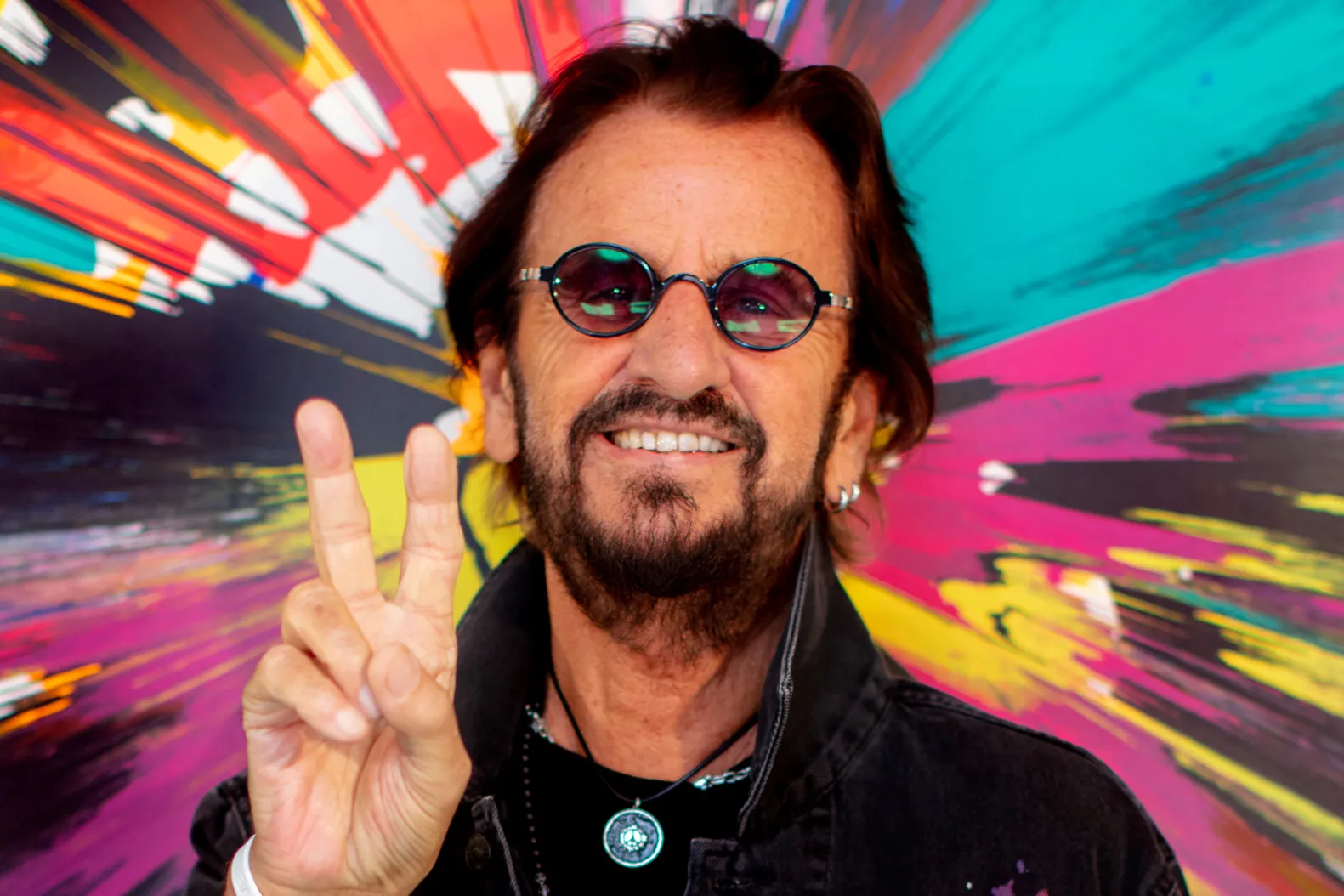
Ringo Starr is often remembered as “the drummer of The Beatles,” but that description barely scratches the surface of who he really is as an artist. While John Lennon and Paul McCartney were known for writing most of the band’s songs, Ringo quietly built a career that proved you didn’t need to be the main songwriter to leave a lasting mark on music. Even decades after The Beatles ended, Ringo has remained happy, active, and deeply connected to the simple joy of rock and roll.
During his time with The Beatles, Ringo didn’t write many songs, but the ones he did were full of charm and personality. Songs like “Octopus’s Garden” showed his playful side and his love for simple, feel-good storytelling. He never tried to compete with Lennon or McCartney, and that was part of his strength. Ringo knew who he was, and he leaned into it instead of forcing himself to be something else.
After The Beatles broke up, many people were surprised by how successful Ringo’s solo career became. He went on an impressive run of hit songs in the early 1970s, proving that audiences still loved him. Tracks like “It Don’t Come Easy,” “Back Off Boogaloo,” and “You’re Sixteen” became radio favorites. These songs were not complicated or experimental. They were built on classic rock and roll rhythms, catchy melodies, and a sense of fun that felt natural to Ringo.
One of the most important parts of Ringo’s solo success was his collaboration with George Harrison. While Lennon and McCartney were famous for their songwriting partnership, the quieter and often overlooked bond between Ringo and George was just as meaningful. George helped Ringo shape his songs, adding musical depth while allowing Ringo’s personality to stay front and center. Ringo was always humble about this, often joking that he only knew three chords and that George did the rest.
Their most famous collaboration, “Photograph,” stands out as one of the best songs Ringo ever recorded. Unlike many of his more playful tracks, “Photograph” is emotional and reflective. It tells the story of loss and heartbreak, and Ringo’s voice — often criticized by some — actually makes the song more powerful. He doesn’t sing like Paul McCartney, and he doesn’t try to. Instead, his slightly rough, honest delivery makes the pain in the song feel real and relatable.
Not every moment of Ringo’s career was perfect. Some of his weakest albums came when he tried to follow trends that didn’t suit him, like disco or overly serious message songs. These experiments often felt forced and lacked the warmth people expected from him. Ringo always sounded best when he stuck to what he knew: straightforward rock, a bit of country, and songs that felt like they were coming from a friendly, familiar voice.
That voice — both literal and musical — is what made Ringo special. He came across as the fun uncle of rock music, someone who didn’t take himself too seriously and just wanted everyone to have a good time. This likability followed him throughout his career and was especially clear when he performed “Photograph” at The Concert for George. The performance felt like a tribute not just to a friend, but to a partnership built on respect and kindness.
In the end, Ringo Starr’s legacy isn’t about technical skill or complex songwriting. It’s about heart, honesty, and staying true to yourself. He may not have written as many songs as his former bandmates, but the ones he did write — especially with George Harrison — proved that simplicity, when done right, can be just as powerful as brilliance.