
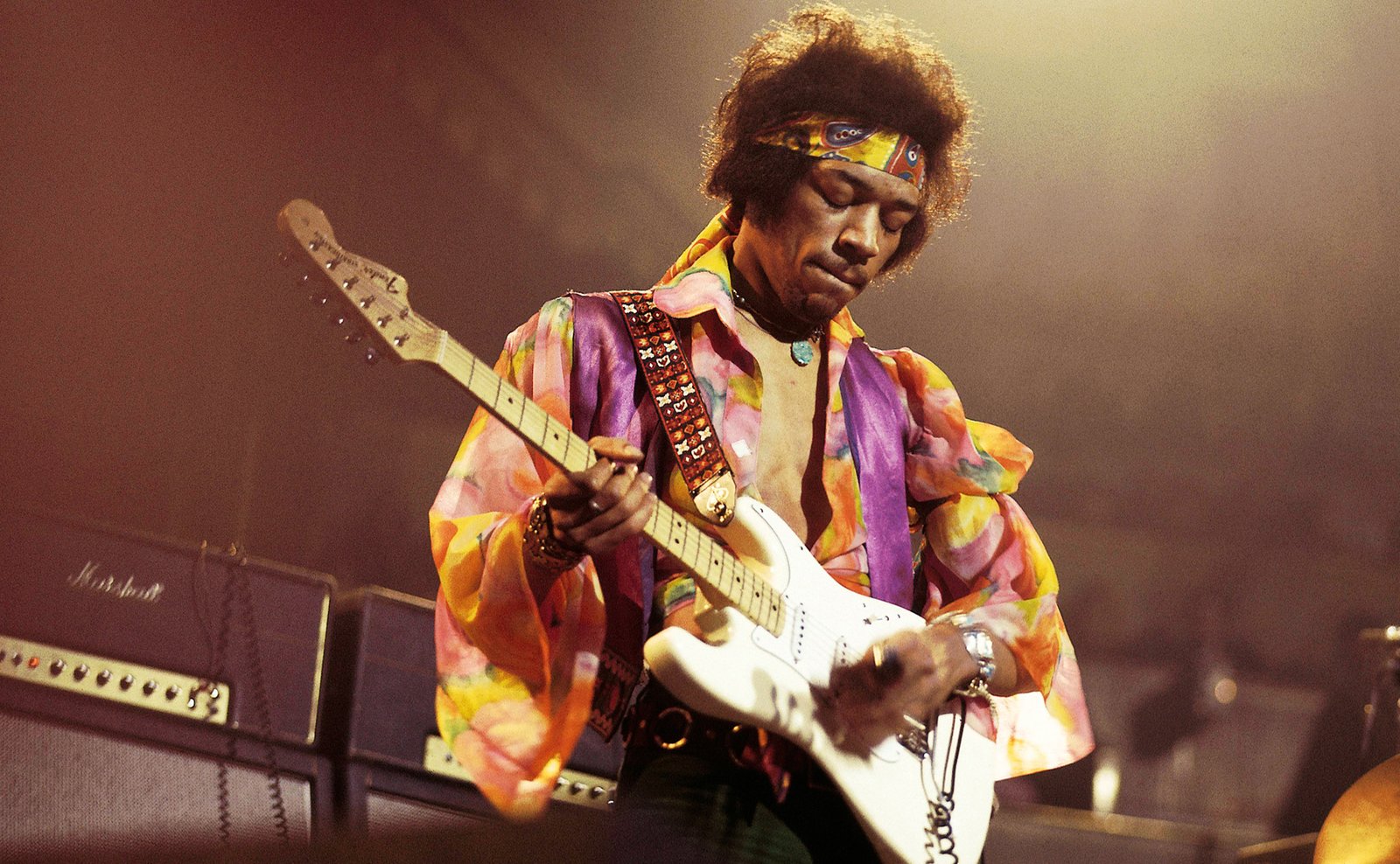
There are performances in music history… and then there are moments that feel like history itself shifts.
On the morning of August 18, 1969, at the legendary Woodstock festival 1969, a muddy field filled with nearly half a million exhausted, rain-soaked, and sleep-deprived people witnessed something they would never forget. It wasn’t just another song. It wasn’t even just a performance.
It was a sonic vision of war, chaos, and emotion—delivered through a guitar.
And the man behind it was Jimi Hendrix.
The Moment Before the Silence
By the time Hendrix finally stepped onto the Woodstock stage, the festival was already running behind schedule. Many attendees had left, but around 400,000 people still remained—camping in the mud, waiting through delays, exhaustion, and unpredictable weather.
Hendrix wasn’t originally scheduled to close the festival, but when he did take the stage early Monday morning, the crowd was restless and drained.
Then everything changed.
The Performance That Stopped Time
Hendrix opened with a few warm-up jams, but the moment that became immortal was his rendition of “The Star-Spangled Banner.”
Instead of playing it traditionally, Hendrix transformed it entirely.
Using heavy distortion, feedback, and controlled chaos on his electric guitar, he recreated the sounds of war:
- Screaming bomb-like explosions through feedback
- Siren-like bends and tremolo effects
- Sudden bursts of dissonance that felt like chaos unfolding
- Moments of eerie calm that felt like aftermath
It wasn’t just music anymore—it was interpretation.
It was protest. It was emotion. It was America reflected through sound at the height of the Vietnam War era.
Why the Crowd Went Silent
Despite the chaos Hendrix created through his guitar, something remarkable happened in the audience.
They didn’t cheer loudly. They didn’t dance.
They listened.
Around 400,000 people fell into near-complete silence, stunned by what they were witnessing. Many described it as feeling like the sky itself was speaking through Hendrix’s guitar.
It wasn’t silence from boredom—it was silence from awe.
More Than a Song: A Cultural Statement
Hendrix’s version of “The Star-Spangled Banner” wasn’t meant to be disrespectful—it was interpretive art.
In a single performance, he captured:
- The tension of a nation at war
- The emotional divide of the 1960s
- The beauty and horror of freedom
- The power of electric guitar as a storytelling instrument
This moment is now widely considered one of the greatest live performances in rock history.
The Legacy of Woodstock Hendrix
Even decades later, Hendrix’s Woodstock set remains one of the most analyzed and discussed moments in music.
It influenced generations of guitarists, redefining what an instrument could express—not just melody, but emotion, politics, and atmosphere.
For many, this wasn’t just a performance.
It was the moment rock music became something bigger than entertainment.
Final Thought
At Woodstock, Jimi Hendrix didn’t just play a song.
He painted a world with sound—one that made 400,000 people stop, listen, and feel something they couldn’t easily put into words.
And in that moment, music stopped being background noise…