
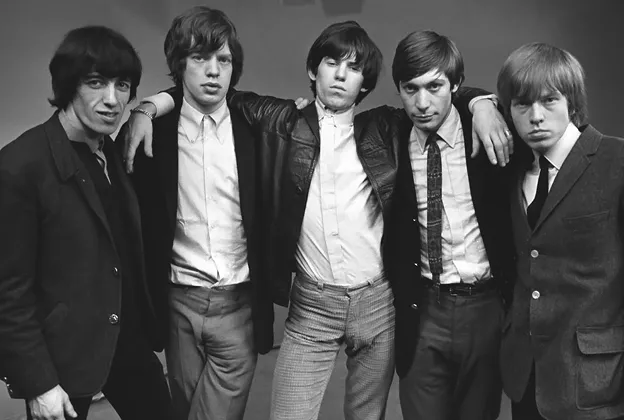
On December 6, 1969, four months after Woodstock had offered the world a vision of what rock music could represent, the Rolling Stones played a free concert at the Altamont Speedway in California. By the end of the night, four people were dead, hundreds were injured, and the idea of the outdoor rock festival as a symbol of peace and community had been shattered permanently.
The event had been planned in days, with almost no logistical preparation. The site was changed at the last minute from Golden Gate Park to the Altamont Speedway — a car racing venue with no infrastructure for the estimated 300,000 people who showed up. The Grateful Dead, who were scheduled to perform, took one look at the atmosphere and refused to go on stage. Jefferson Airplane played but were forced to stop when violence erupted in front of the stage. Their singer Marty Balin was knocked unconscious during the set.
The decision to use the Hells Angels as security — a practice the Grateful Dead had used at smaller events without incident — was catastrophic at this scale. Armed with pool cues, and reportedly paid in beer, they clashed with the crowd throughout the day, beating concertgoers in front of the stage while the bands played.
The Rolling Stones were headlining and had been warned multiple times during the day about the deteriorating situation. When they finally took the stage after dark, the scene in front of them was volatile and frightening. During “Under My Thumb,” eighteen-year-old Meredith Hunter approached the stage with a gun. He was stabbed to death by a Hells Angel member. The Stones, unaware of exactly what had happened, continued to play.
The entire event was filmed for the documentary Gimme Shelter, released in 1970 — one of the most unsettling concert films ever made, in part because it captures the Stones watching footage of the killing in real time and trying to make sense of what they are seeing.
Altamont changed everything about how outdoor concerts were planned, staffed, and policed. The era of improvised mass gatherings, of the belief that music alone could hold chaos at bay, ended that night. Woodstock had lasted four months as the defining image of a generation. Altamont ended it in a single evening, and the rock festival industry has been shaped by that night’s lessons ever since.