
In the early 1970s, rock music had started to feel tired. Many artists looked the same, dressed in denim, long hair, beards, and leftover styles from the 1960s. The sense of rebellion that once defined rock had faded, and everything felt a bit dull. Even David Bowie later described this era as a kind of “denim hell,” where rock had lost its excitement and bold ideas.
Instead of following that path, Bowie and Marc Bolan chose to go in the opposite direction. They embraced glam rock, a style built on glitter, bright colors, dramatic makeup, and bold fashion choices. This was not just about looking different — it was about bringing imagination, confidence, and theater back into rock music. Glam rock made music something you could see as well as hear.
Glam rock stood out because it broke rules. Artists wore makeup regardless of gender, experimented with androgynous looks, and treated the stage like a performance space rather than just a place to play songs. This helped audiences connect more deeply with the music because the visuals told a story. The clothes, the characters, and the confidence all worked together to create a complete artistic experience.
Marc Bolan, the frontman of T. Rex, is often seen as one of the first true glam rock stars. His performances were flashy and playful, and his style helped introduce glam rock to the mainstream. David Bowie then took those ideas even further. With his Ziggy Stardust persona, Bowie created a whole new world — futuristic, emotional, and theatrical. Ziggy wasn’t just a singer; he was a character with a story, and that made Bowie’s music even more powerful.
What made glam rock truly important was that its influence lasted even after the glitter faded. By the late 1970s, the bright costumes and heavy makeup were no longer everywhere, but the spirit of glam rock remained. It showed musicians that rock didn’t have to follow strict rules. You could be expressive, dramatic, and different — and still be taken seriously.
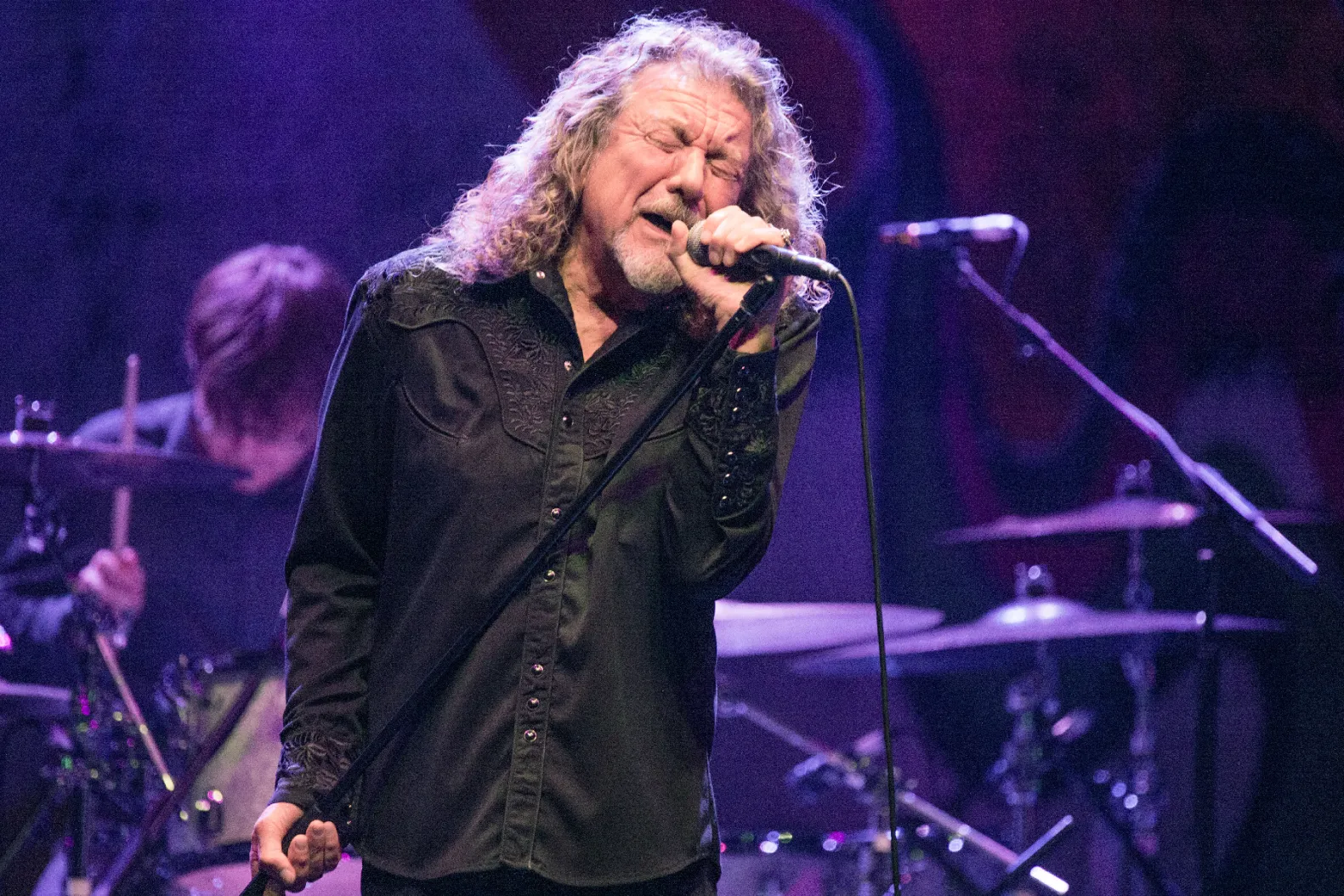
One artist who benefited from this shift was Robert Plant of Led Zeppelin. While Plant’s fashion was more subtle than Bowie’s or Bolan’s, his stage presence reflected glam rock’s confidence and freedom. He moved, dressed, and performed in ways that challenged traditional ideas of masculinity in rock. His style felt natural and fearless, rooted in doing what felt right rather than following trends.
However, when talking about true performers, Plant often pointed to Freddie Mercury as someone truly special. Mercury took the confidence and theatrical spirit of glam rock and transformed it into something even bigger. As the frontman of Queen, he blended rock with opera-like drama, creating performances that felt grand, emotional, and unforgettable.
Freddie Mercury’s power came from his confidence. He commanded stadiums, connected deeply with audiences, and turned every performance into a spectacle. Even David Bowie admired Mercury, saying that among theatrical performers, Freddie pushed things further than anyone else. By the 1980s, glam rock as a movement was mostly gone, but Mercury kept its essence alive through his bold stage presence and fearless self-expression.
In the end, glam rock did more than change fashion — it changed how rock music was performed and understood. Thanks to artists like Bowie, Bolan, Plant, and Mercury, rock became a place where creativity had no limits. Glam rock reminded the world that music should be exciting, expressive, and unapologetically bold — a lesson that still matters today.