
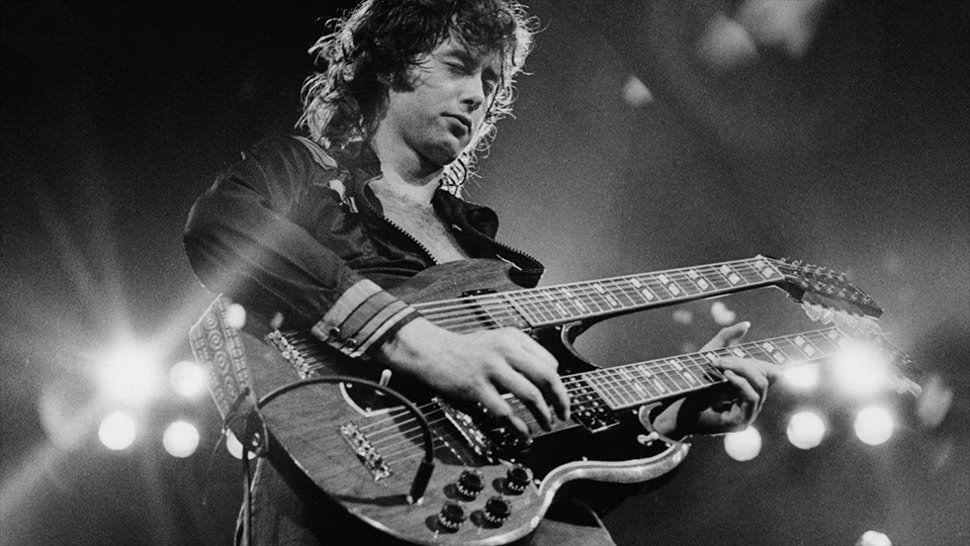
Rock music in the 1960s was changing fast, and two guitarists played a huge role in pushing it into new territory: Jimmy Page and Syd Barrett. Even though they came from different musical worlds, both artists helped shape psychedelic rock and influenced generations of musicians. Their stories show how creativity, innovation, and personal struggles can leave a lasting mark on music history.
Before Jimmy Page became famous with Led Zeppelin, he was already well known in the British music scene. In the early part of his career, Page worked as a session musician, meaning he played guitar on recordings for many different artists. At the time, British pop and rock music followed fairly simple patterns, but Page stood out. Producers often called him when they wanted a guitar sound that felt heavier, darker, and more aggressive than usual. His playing was sharp, bold, and full of attitude, helping songs sound more exciting and powerful.
Page’s big break as a band member came when he joined The Yardbirds, replacing Eric Clapton. Although Clapton had already set a high standard, Page quickly proved that he wasn’t just a replacement — he was something new. Songs like Heart Full of Soul showed how Page was pushing rock toward psychedelic sounds, mixing blues roots with strange tones and hypnotic riffs. His guitar work felt like traditional blues music had been twisted into something trippy and experimental. This approach helped move rock music away from simple pop and into a more adventurous direction.
While Jimmy Page was reshaping hard rock, Syd Barrett was doing something completely different with Pink Floyd. Barrett wasn’t interested in sounding polished or powerful. Instead, he focused on creativity, imagination, and emotion. Pink Floyd’s early music, especially on their first album The Piper at the Gates of Dawn, sounded unlike anything else at the time. The songs mixed playful melodies, strange lyrics, and experimental noise, creating a dream-like and sometimes chaotic feeling.
Barrett’s guitar playing was especially unique. He didn’t follow traditional rules and often used unusual chords and sounds. His style felt raw and unpredictable, almost messy at times, but that was exactly what made it special. Many people believe Barrett’s approach to music later influenced punk rock, even though punk wouldn’t fully appear until years later.
Sadly, Syd Barrett’s story also includes tragedy. His heavy use of psychedelics and growing mental health struggles caused him to slowly lose touch with reality. As his behavior became more unpredictable, Pink Floyd had no choice but to continue without him. Eventually, David Gilmour joined the band, and Pink Floyd went on to become one of the most successful rock bands of all time. However, Barrett’s absence was always felt, and the band’s later music often reflected feelings of loss and sadness over what happened to their former friend.
Jimmy Page deeply admired Syd Barrett and once said that no one could ever truly replace him. Page believed Barrett’s early work was full of genius and originality and felt it was tragic that his career ended so early. Even though Pink Floyd achieved massive success without Barrett, many fans still wonder what might have been possible if he had received the help he needed.
In the end, Jimmy Page and Syd Barrett represent two different sides of rock music. Page brought power, precision, and heaviness, helping lay the foundation for hard rock and heavy metal. Barrett brought imagination, freedom, and emotion, showing that rock music could be strange, playful, and deeply personal. Together, their influence helped shape the sound of psychedelic rock and changed music forever.