
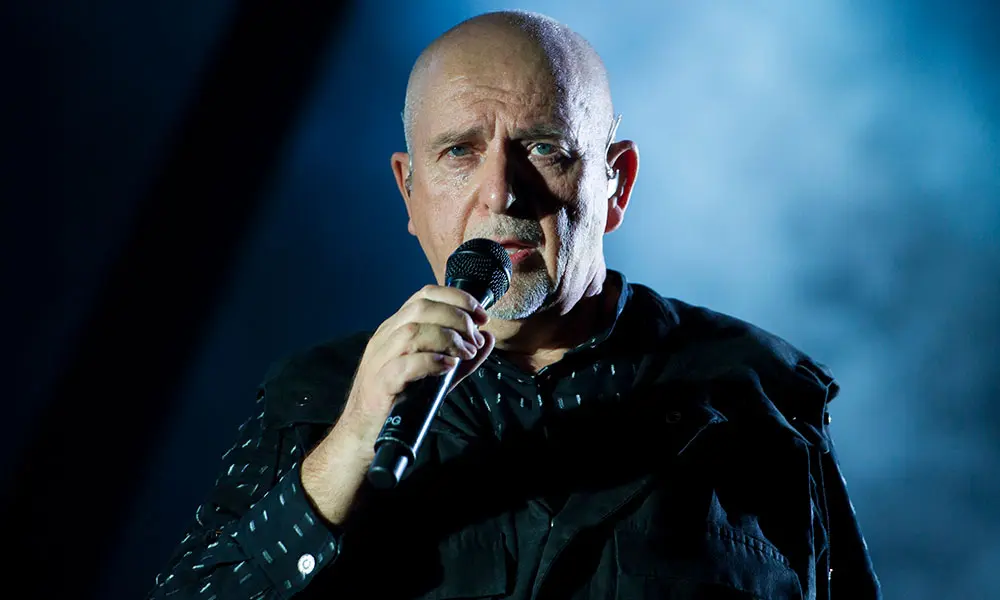
When Peter Gabriel left Genesis in the mid-1970s, many people expected him to continue making progressive rock music. But Gabriel had other ideas. Each of his solo albums became more experimental, more emotional, and more daring. By the time he reached his fourth solo album in 1982 — often called Peter Gabriel 4 or Security — he had fully stepped into a world of bold creative risks.
This album didn’t just push boundaries. It broke them.
Why This Album Was Such a Big Risk
Gabriel was always adventurous, but this time he went further than ever. Instead of sticking to traditional rock instruments, he fell in love with new technology, unusual sounds, and music from different cultures around the world. He used digital production at a time when almost no one else did. He layered world percussion with strange electronic textures. He even sampled noises from scrap metal, broken TVs, and anything that made an interesting sound.
To fans used to normal rock music, this was shocking — and sometimes confusing.
In a later interview, Gabriel admitted that he knew the album might be “too wacky” for some listeners. He even said it didn’t sell very well at first. Some hardcore fans loved it, but others weren’t ready for this level of experimentation.
But for Gabriel, this wasn’t a mistake. It was a necessary step forward.
A Sound That Was Ahead of Its Time
Listening to the album today, it doesn’t seem nearly as strange. Modern music is full of electronic beats, samples, world instruments, and experimental production. But in the early ’80s, listeners weren’t used to these sounds at all.
Gabriel was using digital tools before they became common. He was blending Western rock with African, Latin American, and Native American rhythms long before “world music” became a mainstream term. In many ways, Security predicted what pop and rock music would sound like decades later.
Songs like “The Rhythm of the Heat” and “San Jacinto” showed Gabriel’s interest in storytelling and cultural themes. Tracks like “I Have the Touch” and “Kiss of Life” mixed emotional lyrics with energetic, unusual arrangements. And then there was “Shock the Monkey,” a strange but catchy song that became his first hit in the U.S.
The album wasn’t just new. It was fearlessly new.
A Risk That Led to Unexpected Rewards
Even though the album didn’t sell well at first, it caught the attention of people who mattered — including David Bowie. Bowie was impressed by Gabriel’s creativity and invited him to open for the North American leg of his 1983 Serious Moonlight Tour, one of the biggest tours of Bowie’s career.
This was huge exposure for Gabriel. It helped bring him to a wider audience and showed that experimentation could pay off, even if the charts didn’t immediately reflect it.
Why Security Still Matters Today
Looking back, it’s clear that this album changed the direction of Peter Gabriel’s career. By taking risks, he proved he wasn’t afraid to “go weird,” as he put it. And that willingness to push boundaries helped make him one of the most influential artists in progressive music, world music, and experimental pop.
Security may not have been his biggest commercial success, but it was one of his most important artistic statements. It showed that music could be emotional, global, strange, and beautiful all at once.
Sometimes the greatest ideas come from taking risks — and Peter Gabriel’s fourth album is the perfect example.