
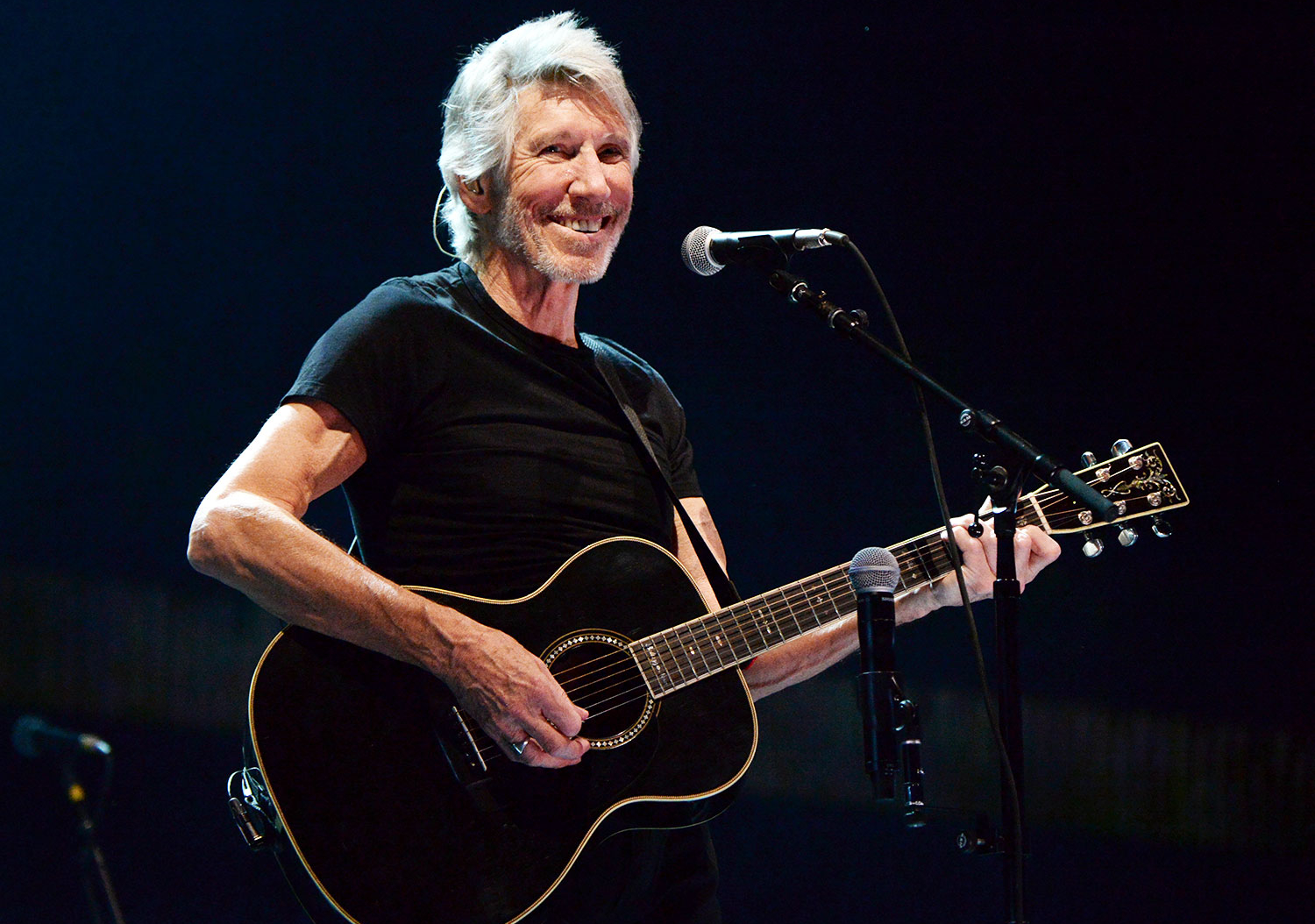
Rock and roll is often seen as a young person’s game. Loud guitars, fast songs, and wild energy usually belong to artists in their early years. But the greatest musicians understand that rock can grow, change, and become something bigger than its original form. Roger Waters, best known as a founding member of Pink Floyd, is one of those artists who pushed rock music far beyond what people expected.
In the early days, Pink Floyd started as a psychedelic band, creating dreamy and experimental music. Songs were long, strange, and filled with atmosphere. As time went on, Waters wanted more than just interesting sounds. He wanted music with meaning, stories, and ideas that made people think. This mindset led to ambitious works like Echoes and later The Wall, where music, lyrics, and emotions were deeply connected.
What really set Waters apart was his approach to live shows. Pink Floyd concerts became famous for their massive light displays, visuals, and stage effects. Waters believed that when thousands of people came to a stadium, they deserved more than just a band standing and playing. He wanted the audience to feel like they were part of something unforgettable. This idea reached its peak with The Wall, a show where an actual wall was built onstage during the performance.
After leaving Pink Floyd, Waters continued this theatrical style in his solo career. His concerts often felt closer to a Broadway show than a traditional rock performance. The famous Wall concert in Berlin was especially powerful, with huge symbolism and emotional impact. When the wall was torn down at the end of the show, the crowd felt united, shouting together and sharing the moment.
However, Waters has always known that this kind of production comes with limits. His shows require massive planning, physical effort, and complex setups. He once pointed out that many blues legends didn’t need anything like that. Artists such as B.B. King or Muddy Waters could sit on a chair, plug in a guitar, and hold an audience’s attention with just a few notes. Their power came from emotion, experience, and honesty rather than spectacle.
B.B. King, for example, was famous for playing slow, simple guitar lines that said more than dozens of fast notes. Even when sharing a stage with famous rock guitarists, one bend of his guitar string could silence a room. There were no giant screens or exploding props — just music that spoke directly to the listener.
This contrast shows two different sides of rock music. On one side, you have Roger Waters, turning concerts into large-scale artistic statements. On the other, you have blues musicians who prove that simplicity can be just as powerful. Neither approach is better than the other — they simply serve different purposes.
In the end, both Waters and the blues legends shared the same goal: to connect with people. Whether through massive walls and visuals or a single guitar note, they played for those who were willing to listen. And that connection is what keeps rock and roll alive, no matter how old the artist gets.