
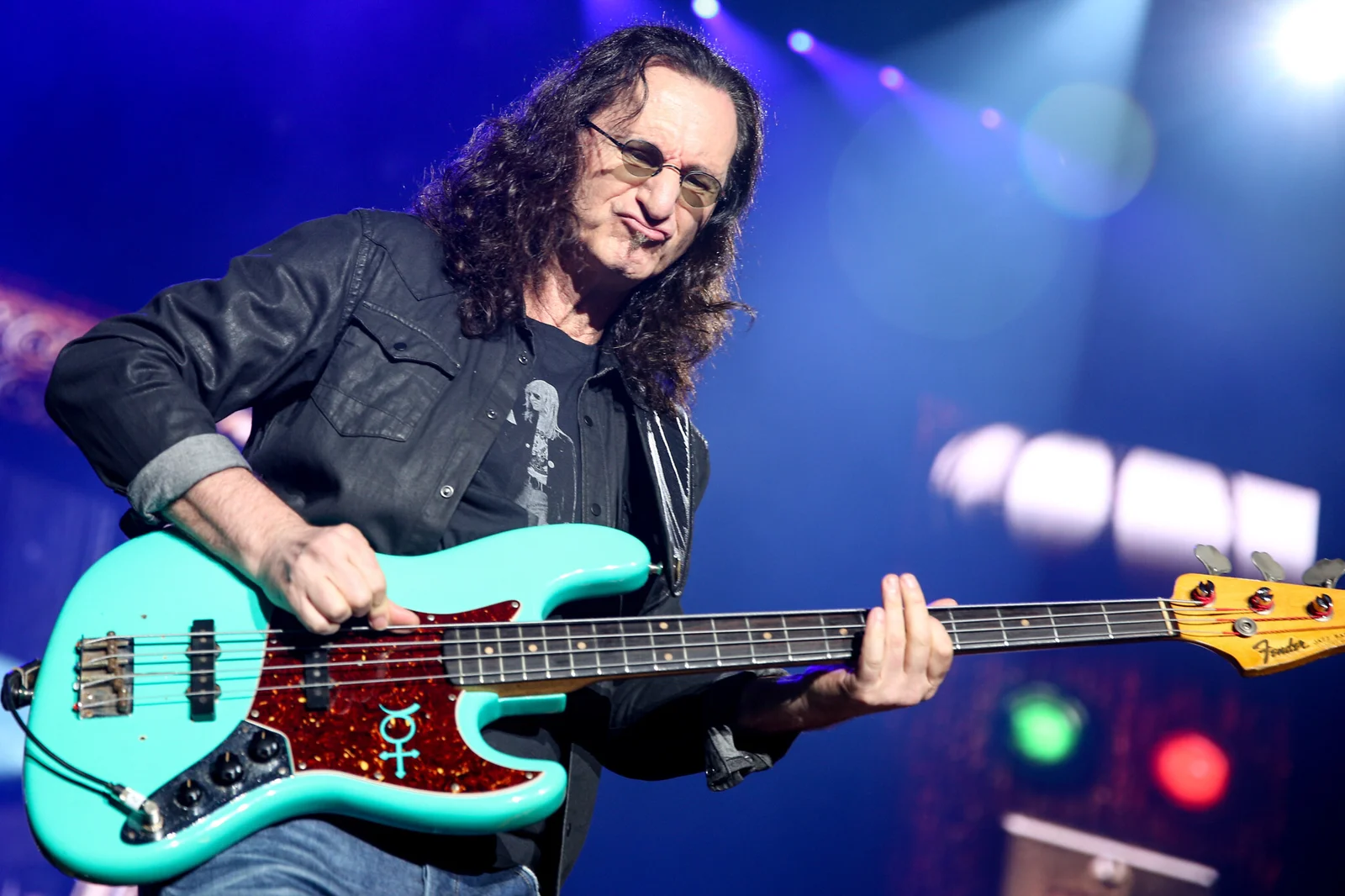
“The most unsurpassable bass performance I’ve ever heard.” When Geddy Lee calls it “an absolute influence on me,” you know it’s legendary.
Some basslines don’t just shape songs — they shape generations…
Rock music has produced many legendary albums, but only a few truly capture the raw power and energy of a band at its peak. One of those rare records is The Who’s Live at Leeds. For many musicians and fans, this album is more than just a live recording — it is a powerful reminder of what rock music is supposed to feel like: loud, honest, emotional, and alive.
For bass players like Lee, the love for rock music began with influential artists such as Chris Squire of Yes, Jack Bruce of Cream, Jeff Beck, and bands like Procol Harum. These artists helped shape his musical taste, but one musician stood above the rest — John Entwistle of The Who. Entwistle’s bass playing, especially on Live at Leeds, became a lifelong inspiration.
The Birth of Live at Leeds
The Who recorded Live at Leeds on February 14, 1970, at the University of Leeds Refectory in England. At the time, the band had just released Tommy, a rock opera that made them one of the biggest acts in the world. While Tommy was praised as artistic and ambitious, the band worried that people were starting to see them as “high art” instead of a dangerous and exciting live rock band.
To fix this, The Who decided to release a live album that showed their true stage power. They originally planned to use recordings from earlier U.S. concerts, but Pete Townshend didn’t want to listen through hours of tapes to choose the best moments. In frustration, he even asked their sound engineer to destroy the tapes — a decision he later called one of the biggest mistakes of his life.
Instead, the band booked two shows in England specifically to record the album. Technical problems ruined the recording in Hull, leaving the Leeds concert as the only usable option. Thankfully, that one performance turned out to be pure magic.
A Raw and Powerful Performance
Live at Leeds opens with “Heaven and Hell,” written by John Entwistle, and immediately sets the tone. The sound is loud, rough, and real. There is no studio polish, no attempt to fix mistakes — just four musicians giving everything they have on stage.
The classic lineup of Roger Daltrey, Pete Townshend, John Entwistle, and Keith Moon is captured at full strength. Keith Moon’s drumming is wild and explosive, Townshend’s guitar is aggressive and sharp, and Daltrey’s vocals are filled with confidence and power.
But for many listeners, the true star of the album is John Entwistle.
John Entwistle’s Bass Legacy
On Live at Leeds, Entwistle proves why he is often called “The Ox.” His bass playing is fast, precise, and fearless. Unlike many bassists of the time, he did not stay in the background. He played the bass almost like a lead instrument, filling the songs with bold runs and powerful tones.
The most famous example is “My Generation,” which turns into a 15-minute performance filled with improvisation and sections from Tommy. Entwistle’s bass lines drive the entire song and leave a lasting impression on anyone who hears it.
Another highlight is “Summertime Blues.” Originally a 1950s rock-and-roll song, The Who turned it into a heavy, aggressive anthem. Entwistle even sings part of the song in his deep voice, adding to its unique character. Lee has said that Rush covered “Summertime Blues” largely because of The Who’s version.
Why Live at Leeds Still Matters
Even today, Live at Leeds sounds fresh and exciting. It feels less like an official album and more like a powerful bootleg — raw, loud, and honest. The simple packaging reflected the band’s attitude: this is who we are on stage.
For Lee and countless other musicians, this album represents the perfect balance of heavy and melodic, something Pete Townshend mastered as a songwriter. Although Lee never got the chance to see The Who perform live with Keith Moon before his death in 1978, Live at Leeds remains a permanent connection to that era.
More than fifty years later, Live at Leeds is still considered one of the greatest live rock albums ever recorded. It captures a moment when rock music was fearless, imperfect, and unforgettable — and that is exactly why it continues to inspire generations of musicians and fans around the world.