
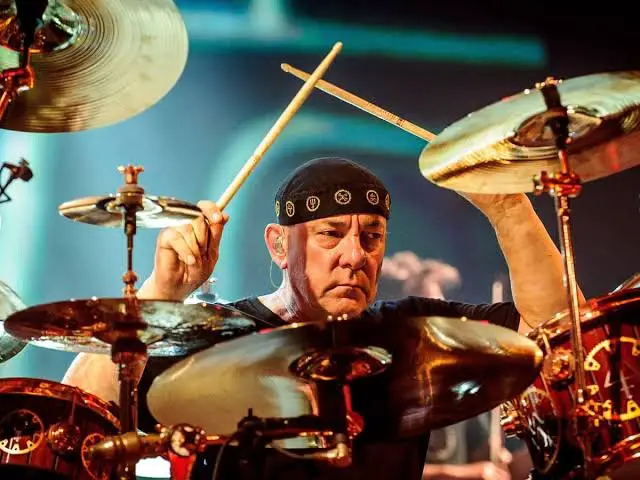
Neil Peart is widely known as one of the greatest drummers in rock history, but his path to success was not easy or obvious. Before becoming the driving force behind Rush, Peart faced setbacks, learned from many influences, and slowly developed the unique style that would define his career.
In the early days, Rush was already an active band in Canada. Geddy Lee and Alex Lifeson had formed the group and were playing blues-based rock music. At that time, their drummer was John Rutsey, who helped shape the band’s early sound and played on their first album. Neil Peart, meanwhile, was performing with his own band, JR Flood, and trying to find his place in the music world. Even though Peart and Rush came from similar musical backgrounds, there was no immediate opportunity for him to join the band.
As time went on, it became clear that Rush wanted to move in a new direction. Rutsey preferred a straightforward rock sound, similar to bands like Bad Company, while Lee and Lifeson were becoming interested in more complex and adventurous music. After the release of their debut album, Rutsey left the band, opening the door for a new drummer. This change would prove to be life-changing for both Rush and Neil Peart.
Peart joined Rush in 1974, just before the band went on tour in the United States. His first album with them, Fly By Night, marked a major turning point. Not only did Peart take over on drums, but he also became the band’s main lyricist. His thoughtful and imaginative lyrics added a new layer of depth to Rush’s music, helping them stand out from other rock bands of the time.
While Peart was inspired by rock drummers, his musical tastes went far beyond hard rock. He deeply admired jazz drummers, especially Gene Krupa. Krupa was known for his powerful and expressive playing, as well as his ability to make the drums feel exciting and alive. Peart loved how Krupa could switch between explosive energy and solid rhythm, depending on what the music needed. This balance left a lasting impression on him.
Another major influence on Peart was Keith Moon of The Who. Moon’s style was wild, loud, and unpredictable. He didn’t simply keep time; he treated the drum kit like a lead instrument. To Peart, Moon represented freedom and emotion. Moon’s playing often sounded spontaneous, as if he were reacting in the moment rather than following a strict plan. Peart once described Moon as someone who achieved great things almost by accident, driven by energy and instinct.
What fascinated Peart most about drummers like Krupa and Moon was their sense of risk. They were not perfect or overly controlled, but they were exciting. Peart believed that this kind of playing could not be taught in a classroom. It came from personality, confidence, and a willingness to push limits.
Over time, Peart combined these influences with his own discipline and dedication. Unlike Moon, Peart became known for precision and endurance, often playing complex drum parts that lasted an entire song without losing focus. By blending the freedom of jazz, the power of rock, and his own technical skill, Neil Peart created a style that was both powerful and intelligent.
His journey shows that greatness does not happen overnight. Through patience, inspiration, and hard work, Neil Peart transformed from an overlooked drummer into a legend who changed rock music forever.