
Word of mouth has always played an important role in music. Long before streaming apps and social media, people discovered new artists because someone they trusted recommended them. A friend, a family member, or even a stranger at a gig could change your musical taste with just one suggestion. Even today, personal recommendations still feel more meaningful than algorithms. There is something powerful about hearing, “You should listen to this artist.”
Back in the 1960s, word of mouth was one of the only ways musicians became famous. Records mattered, but live performances mattered even more. If an artist could impress people on stage, those people would talk. They would tell friends, bring others to shows, and slowly build an artist’s reputation. One of the best examples of this is Jimi Hendrix.
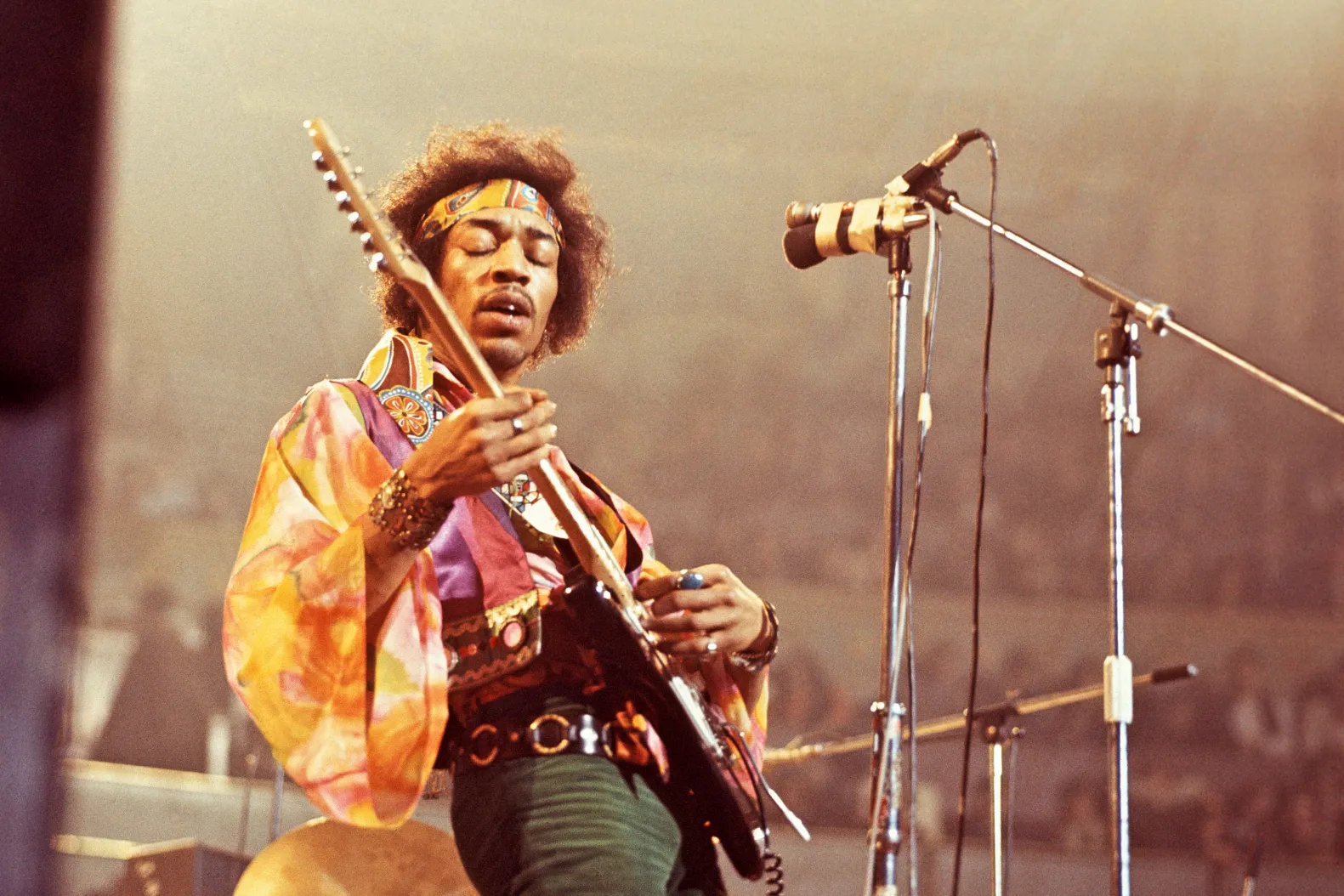
When Jimi Hendrix arrived in London in the mid-1960s, he was not widely known. But that changed very quickly. People who saw him live could not stop talking about him. His guitar playing was unlike anything audiences had seen before. He played with speed, emotion, and confidence, and his stage presence made people feel like they were witnessing something special. Soon, his name was being mentioned in clubs, pubs, and music circles all over the city.
What truly separated Hendrix from other musicians was his live performance. His records were great, but his shows were unforgettable. Watching him play guitar felt exciting and unpredictable. He could make the instrument sound aggressive, emotional, and expressive all at once. Even other famous guitarists were stunned by how good he was. His performances helped move the guitarist from the background of a band to the front of the stage.
This power of live music followed Hendrix throughout his career, right until the very end. His final full performance took place in Germany in 1970 at the Isle of Fehmarn Festival. The event itself was badly organised. The weather was terrible, many bands dropped out, and the audience was frustrated. By the time Hendrix came on stage, the crowd was tired and angry.
Despite this, Hendrix did not walk away. Instead, he stood his ground and performed. He faced boos and poor conditions but continued playing with passion and intensity. As he moved through his set, the mood of the crowd began to change. What started as frustration slowly turned into appreciation. By the end of the show, many in the audience were cheering.
Although the concert was far from perfect, it showed exactly why Hendrix was so respected. Even in the worst circumstances, his music had the power to connect with people. He could win over a hostile crowd simply by playing his guitar. That ability is rare, and it explains why people kept talking about him long after his shows ended.
Jimi Hendrix’s legacy is deeply connected to word of mouth. People didn’t just listen to his music; they experienced it live and then shared that experience with others. His reputation grew because people couldn’t stop talking about what they had seen. That is how legends are made.
Even today, decades after his death, Hendrix is still remembered as one of the greatest live performers in music history. His story proves that no matter how much technology changes, the power of live music and personal recommendation will always matter.