
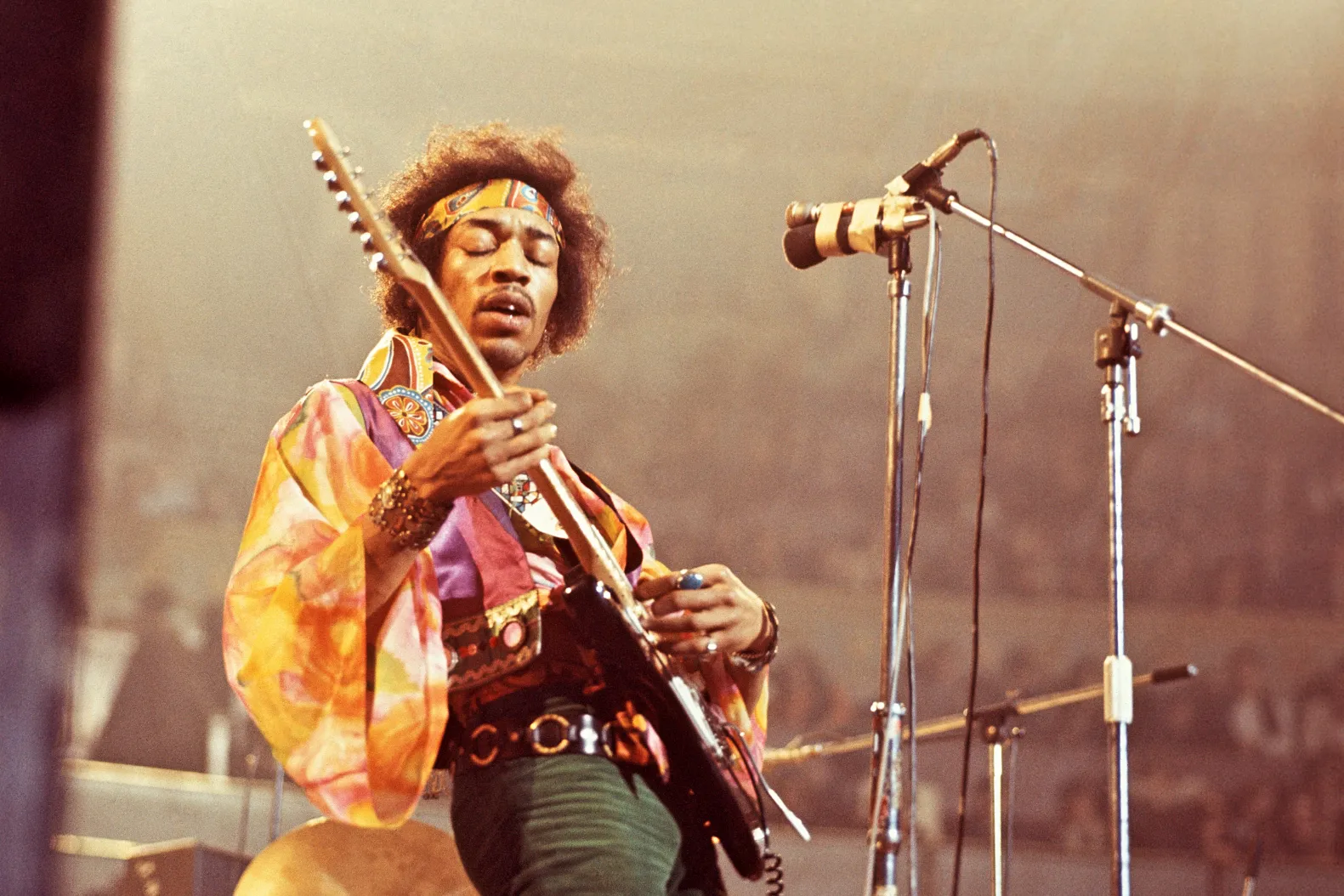
The estates of former bassist Noel Redding and drummer Mitch Mitchell from The Jimi Hendrix Experience are suing Sony Music Entertainment UK (SMEUK). They say the estates deserve a piece of the money earned from three famous albums — Are You Experienced, Axis: Bold as Love, and Electric Ladyland — because despite the band’s ongoing popularity, Redding’s and Mitchell’s heirs have been left out of payments.
These albums, released in the late 1960s, helped shape rock music. Today, thanks to streaming and licensing, they still bring in a lot of money.
📢 Why the estates say they should get paid
The estates argue that Redding and Mitchell — as the musicians who played on the recordings — are entitled to performers’ rights and sound-recording copyrights, which carry value even decades after the songs were released.
Their lawyer told the court that the two “died in relative poverty,” while their recordings continued earning money for others.
They also claim that the old deals made in the 1960s/70s didn’t foresee modern streaming — so those agreements shouldn’t block new claims based on how music is consumed now.
Because rights can be inherited, the estates say the money from these albums should have passed down — and they want those rights formally recognised.
⚖️ What Sony (the record company) says back
Sony argues that the original contracts gave them — or the producers — broad rights from the start, including for any technology “now known or hereafter to be known.” In other words: streaming was covered.
They also point out that Redding and Mitchell settled lawsuits in the 1970s: Redding got US $100,000 and Mitchell got US $247,500 then. According to Sony, that deal ended their right to future claims.
Sony warns that if the court rules for the estates, nearly every 1960s/70s musician could try to reopen past agreements — creating massive disruption across the music business.
🏛️ Where things stand now
The legal battle is happening at the High Court in London. The trial began December 9, 2025.
The estates want official recognition of rights to the albums and a share of streaming-derived revenue.
Sony is defending strongly — saying the old contracts already settled the matter, and continuing the streaming is lawful.
Judgement is expected sometime after the trial concludes (with a verdict likely in writing).
🌍 Why this case is important — even now
It raises a big question: Should musicians (or their heirs) get paid when old recordings become “evergreen” income streams decades later?
For artists from the vinyl/analogue era whose contracts never imagined digital streaming, this case could change how royalties work.
A ruling in favour of the estates could open doors for many other musicians or their families, especially from the 1960s–70s.
On the other hand, a ruling for Sony could reinforce the old model — where labels and estates of major stars keep most of long-term profits.