
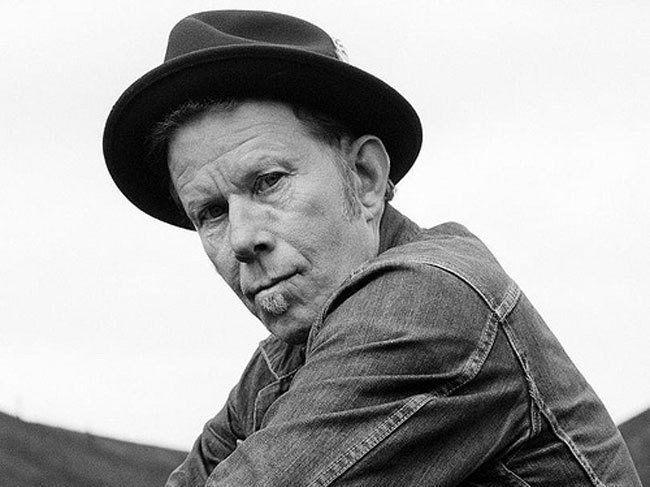
Tom Waits, the legendary musician known for his creative and unique style, once said there is one voice that could almost make him run straight to church. That voice? Bob Dylan’s.
But Waits isn’t talking about singing ability in the usual sense. He’s not judging high notes, range, or tone. Instead, he’s talking about something deeper. For him, Dylan’s voice represents the power of storytelling and the impact of words. It’s about the way a voice carries meaning, history, and emotion.
Dylan’s singing voice has changed a lot over the years. In the 1960s, it was clear and smooth. By the late 1970s and early 1980s, it had become rough, raw, and almost unrecognizable. Some people might see that as a flaw, but Waits sees beauty in it. Like Waits himself, Dylan’s voice evolved with time, reflecting life’s struggles and experiences.
When Waits called Dylan the “greatest human voice,” he was really talking about Dylan’s lyrical voice — the words, the poetry, and the stories. Dylan’s songs cover a huge range of themes, from social and political issues to love, heartbreak, and everyday life. He has written countless songs that have touched generations, combining both quantity and quality in a way few artists can match.
Even when Dylan moved away from protest songs, the impact of his earlier work remained powerful. His later songs continued to explore human emotions in a way that is timeless. That’s what Waits respects most: not just how Dylan sings, but what he says and how he says it.
In short, for Tom Waits, Dylan’s greatness isn’t about hitting the right notes. It’s about how his voice — in the broadest sense — can carry stories, feelings, and truths that resonate across decades. And in that sense, Dylan truly has the greatest voice around.