
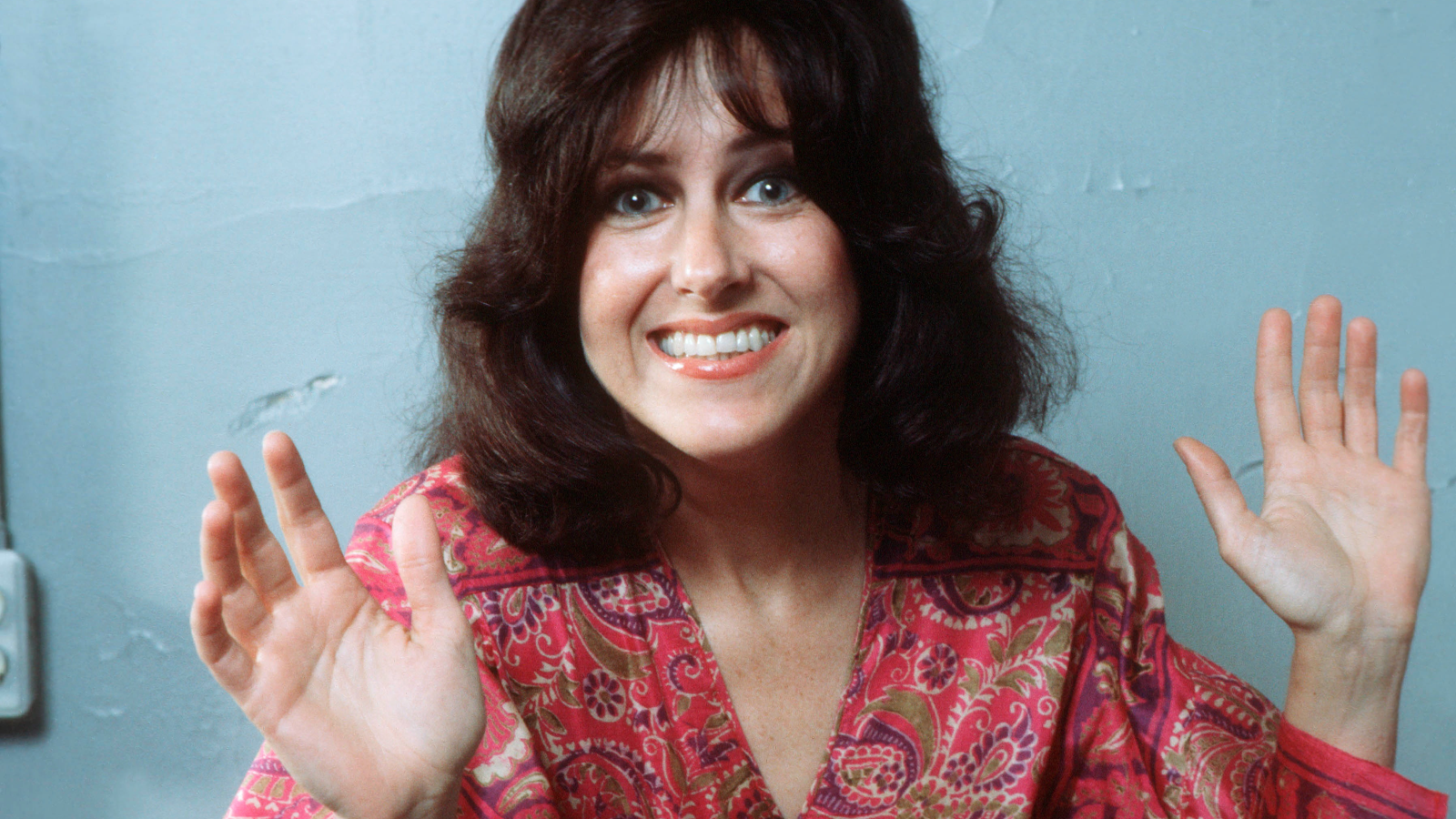
Grace Slick is one of the most unforgettable figures in rock music history. Known for her powerful voice, bold personality, and fearless attitude, she became a symbol of rebellion during the 1960s. As the lead singer of Jefferson Airplane, Grace didn’t just sing songs — she represented a generation that wanted freedom, change, and honesty, no matter how messy that looked.
Grace was born in 1939 and raised in a fairly traditional environment. Nothing about her early life suggested she would grow into a psychedelic rock legend. However, as she got older, she felt uncomfortable with strict social expectations placed on women. When she discovered music and the growing counterculture scene in San Francisco, she finally found a space where she could be herself.
Her big break came when she joined Jefferson Airplane in the mid-1960s. With Grace as the lead vocalist, the band released songs like “White Rabbit” and “Somebody to Love.” These tracks became anthems of the psychedelic era and are still widely recognized today. Her voice was strong, dramatic, and impossible to ignore — very different from the soft female singers people were used to at the time.
Outside of music, Grace Slick’s life was full of chaos, controversy, and unforgettable moments. She was open about her struggles with drugs and alcohol and never tried to present herself as perfect. Unlike many artists who later softened their stories, Grace spoke honestly about the darker sides of fame. This honesty made her even more compelling, because she refused to glamorize everything.
She also crossed paths with many legendary musicians. One of them was Jim Morrison of The Doors. Grace later described a strange and regrettable encounter with him, saying he was far from the mythic rock god people imagined. She often challenged the idea of hero worship and reminded fans that famous musicians were flawed human beings.
Another major moment in her life was her involvement in the Altamont Free Concert in 1969. The event was meant to be a peaceful West Coast version of Woodstock, featuring artists like Jefferson Airplane and The Rolling Stones. Instead, it became one of the darkest days in rock history. Violence broke out, and a young man was killed in front of the stage. Grace later spoke about how shocking and terrifying the experience was, marking the end of the 1960s “peace and love” dream for many people.
Grace also shared stories about meeting Mick Jagger for the first time. She expected a wild, drug-filled environment but was surprised to find him polite, well-dressed, and serving tea in a quiet home. This contrast showed her that rock stars could have very different public and private lives.
On stage, however, Grace believed there were no excuses. She admired Mick Jagger’s confidence and believed that owning the stage was essential. She brought that same energy to her performances, becoming one of the first women in rock to command the spotlight with total confidence.
Eventually, Grace stepped away from music and turned to painting, another creative outlet where she could express herself freely. Even in retirement, she remained outspoken, funny, and unapologetically herself.
Grace Slick’s life proves that rock and roll isn’t just about music — it’s about attitude. She broke rules, challenged expectations, and lived honestly, flaws and all. That is why she remains a true rock icon.