
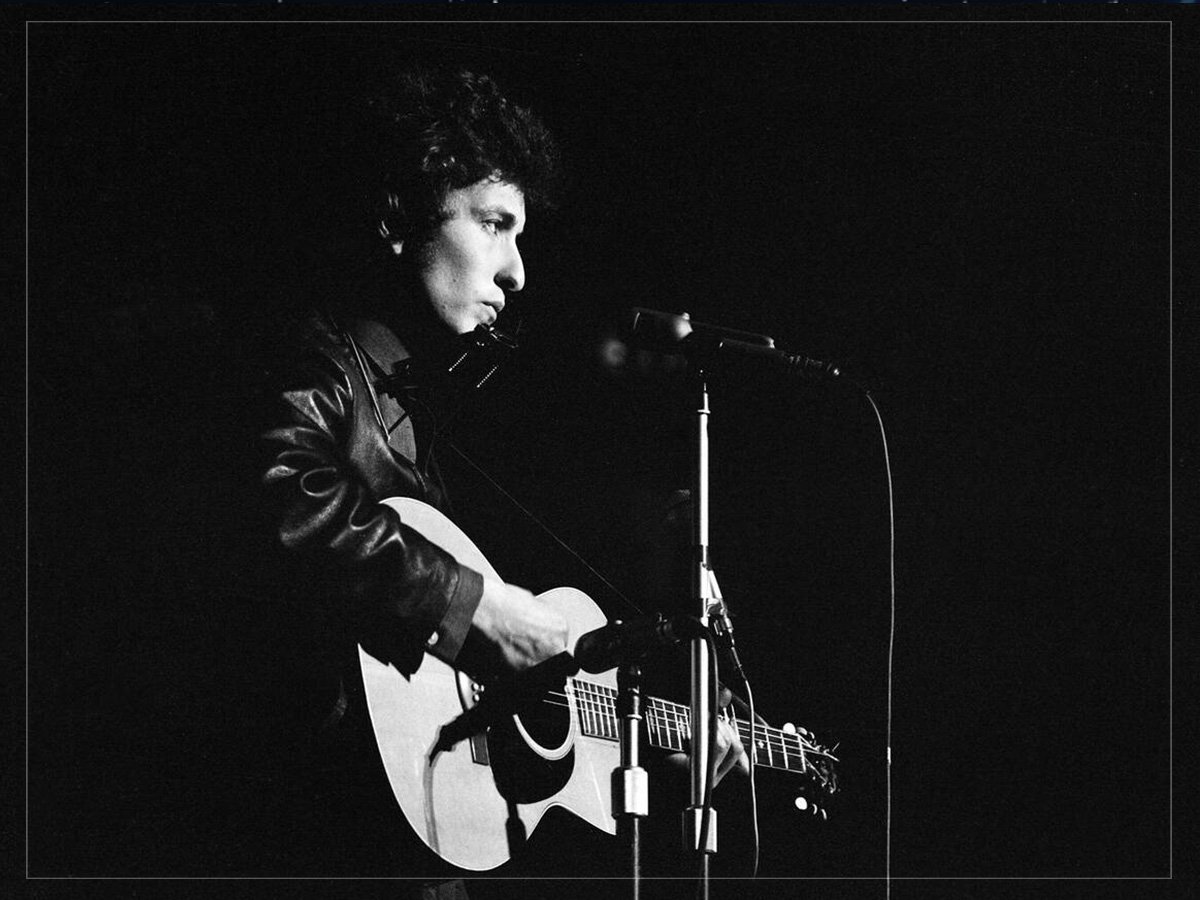
In the early 1960s, Bob Dylan became one of the most important voices in American folk music. With songs like “Blowin’ in the Wind,” “Mr. Tambourine Man,” and “Girl from the North Country,” he was seen as a spokesperson for young people who wanted honesty, change, and meaning in music. His simple style — an acoustic guitar, a harmonica, and powerful lyrics — made him a hero of the folk movement. Many fans believed Dylan represented truth and tradition, and they expected him to stay that way forever.
But Bob Dylan was never comfortable being placed in a box.
Why Dylan Wanted Change
As folk music grew more popular, Dylan started to feel limited by it. Folk was no longer just raw and honest — it had become predictable. Many singers were repeating the same messages, and Dylan felt that the genre was turning into something safe rather than challenging. He believed music should grow, change, and reflect personal creativity, not just follow rules.
Dylan himself once said that the times demanded truth, and he wanted to search for that truth in new ways. Instead of staying loyal to his folk image, he chose to follow his artistic instincts — even if it meant disappointing his fans.
A New Look and a New Sound
By 1965, Dylan had changed not only his music but also his appearance. He traded his simple, working-class clothes for sharper, more modern fashion. Wearing dark sunglasses and stylish outfits, he looked more like a European intellectual than a traditional folk singer. This new image matched his changing sound.
That same year, Dylan released Bringing It All Back Home, an album that shocked listeners. Half of the songs were electric, backed by drums, bass, and electric guitars. This was a clear sign that Dylan was moving into rock music.
The Electric Shock
The most famous moment of Dylan’s transformation happened at the Newport Folk Festival in 1965. Instead of performing solo with an acoustic guitar, Dylan walked on stage with a full electric band. The sound was loud, fast, and completely unexpected.
Many fans were angry. Some booed, feeling betrayed by the man they believed stood for folk tradition. To them, electric instruments represented commercial rock music, not authenticity. But Dylan did not back down. He played what he wanted and left the stage, making music history in the process.
Influence Beyond Folk
Although the reaction was negative at first, Dylan’s electric move changed music forever. His song “Like a Rolling Stone” became a huge hit and showed that rock music could be deep, poetic, and meaningful. It proved that rock songs didn’t have to be short or simple — they could tell stories and explore complex emotions.
Dylan’s shift also influenced many other artists. Bands began mixing folk lyrics with rock sounds, creating what became known as folk-rock. This new style opened the door for many musicians and helped rock music grow into a serious art form.
A Lasting Legacy
Bob Dylan’s move from folk to rock was risky, controversial, and brave. He lost fans, faced criticism, and was misunderstood — but he stayed true to himself. Today, his decision is seen as one of the most important moments in music history.