
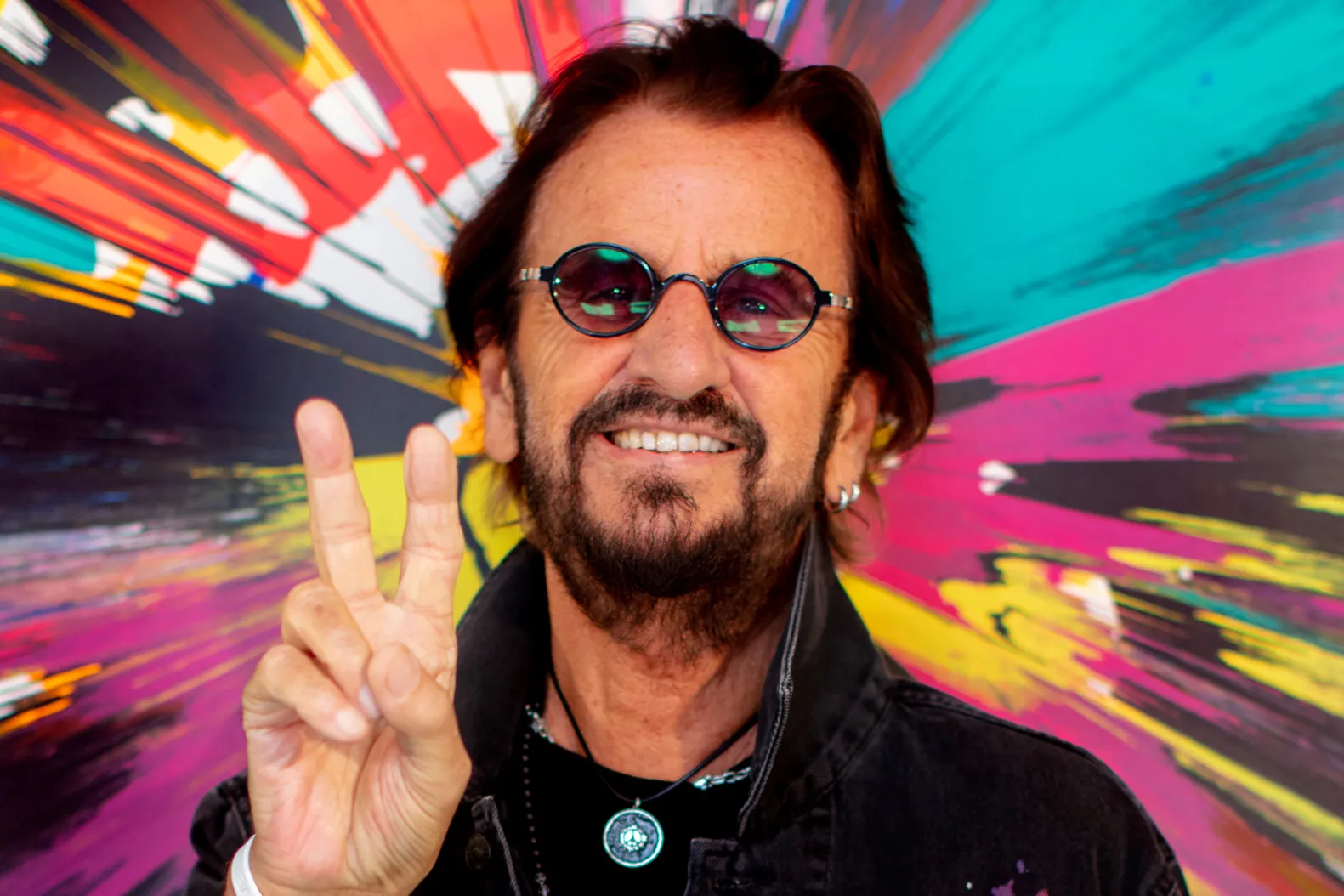
Ringo Starr in 1974: Searching for His Place After The Beatles
By 1974, all four Beatles were deep into their solo careers. John Lennon, Paul McCartney, and George Harrison had already proven they could stand on their own. Their albums — like Imagine, RAM, and Harrison’s spiritual releases — showed they were still as creative as ever.
But things were different for Ringo Starr.
Ringo had always been the friendly, dependable member of The Beatles. He wasn’t known for writing many songs, and he didn’t push for the spotlight. So when the band ended, he faced a big question: What do I do now? Without a team behind him, he had to find a new purpose.
Trying Music Again: Goodnight Vienna
In 1974, Ringo released another solo album called Goodnight Vienna. It had everything people loved about Ringo — fun songs, good vibes, and solid production. It was upbeat and enjoyable, showing that he still had plenty of musical charm.
But even though the album was successful, it didn’t quite fill the gap left behind by the band. Ringo missed the closeness, the teamwork, and the playful collaboration that had defined his years with The Beatles.
Jumping Into Movies: Son of Dracula
Looking for something new, Ringo decided to try acting and producing. He joined a movie called Son of Dracula, directed by Freddie Francis. The film starred Ringo’s friend Harry Nilsson as the son of Dracula, with Ringo playing a supporting role. The cast also included wild rock legends like John Bonham and Keith Moon.
With a cast like that, you can already imagine what filming was like — chaotic. Ringo later joked that the crew spent more money on alcohol than on paying the actors. Everyone was drinking heavily, and while it made for funny memories, it didn’t help the movie. The film ended up being a messy flop.
A Loss of Innocence
On set, Ringo began to realize how much things had changed. The carefree fun of the 1960s was fading, and the partying was starting to overshadow the music. Someone once told him, “We weren’t musicians dabbling in drugs and alcohol; now we were junkies dabbling in music.” Ringo admitted he wasn’t paying enough attention to his life or his art.
Even so, you have to give Ringo credit. He was trying hard to figure out his post-Beatles identity. He was exploring new creative paths — music, acting, producing — even if they didn’t all work out. His choices weren’t always perfect, but they showed his desire to keep growing and experimenting.
Looking Back
Ringo’s 1974 journey shows a man caught between the past and the future. He wasn’t the natural songwriter that John, Paul, and George were, but he had heart, humor, and a willingness to try. He embraced collaboration, stayed true to his personality, and kept moving forward, even when the path was confusing.