
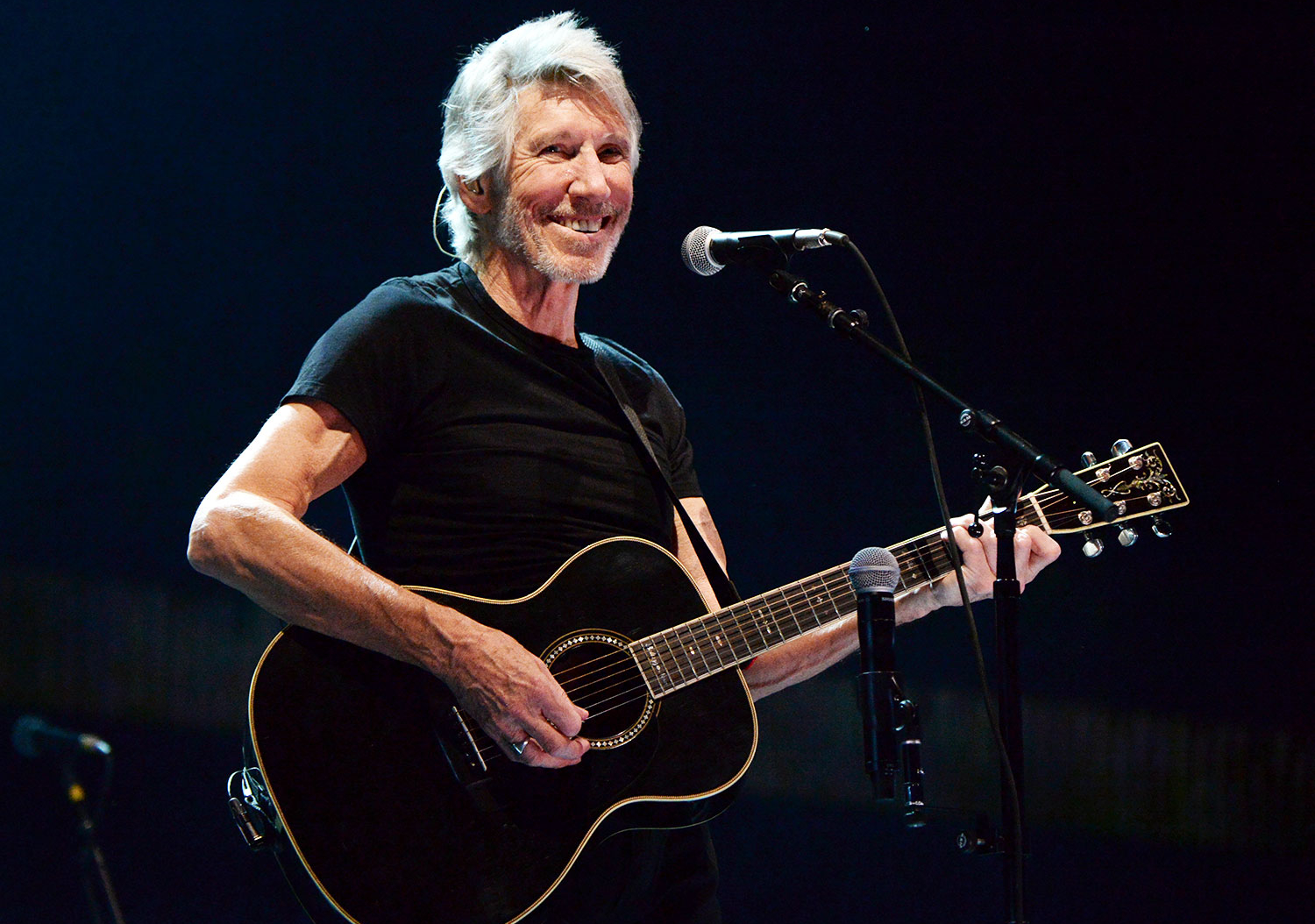
Roger Waters has never been the kind of musician who is happy doing the same thing again and again. Throughout every era of Pink Floyd and his solo career, Waters pushed himself to give audiences something new — something they hadn’t seen or felt before. For him, music was never just about standing on stage and playing songs. It was about creating an experience that stayed with people long after the show ended.
During his time with Pink Floyd, Waters became the band’s main creative voice. While Syd Barrett brought early charm and psychedelic energy, Waters focused on deeper ideas. He wanted the band’s music to mean something. Albums like The Dark Side of the Moon, Animals, and The Wall explored themes like isolation, power, war, and human emotion. These weren’t easy topics, but Waters believed music should challenge people, not just entertain them.
That mindset led to uncomfortable moments, especially during the creation of The Wall. The album wasn’t just music — it was a story. When it came time to perform it live, Waters turned concerts into massive theatrical events. A real wall was built on stage during the show, giant puppets floated above the crowd, and powerful visuals surrounded the audience. Some people found it overwhelming, but Waters didn’t care. He would rather take risks than repeat the same ideas forever.
Even though Waters loved big productions, he knew he couldn’t do everything alone. Pink Floyd worked because each member brought something different. David Gilmour added emotional guitar work, Nick Mason grounded the rhythm, and Richard Wright created atmosphere. When Gilmour later led Pink Floyd tours, the shows still focused on spectacle — including dramatic moments like simulated airplane crashes during concerts in the 1990s. That influence clearly came from the foundation Waters helped build.
After leaving Pink Floyd, Waters continued experimenting. He reimagined The Wall multiple times and toured albums like Amused to Death. While he often relied on massive visuals and a full band, Waters also showed a quieter side. Songs like If and Pigs on the Wing proved he could be powerful with just an acoustic guitar and honest lyrics.
Waters admired artists like John Prine for their ability to connect deeply with audiences through simple songs and storytelling. However, he admitted that kind of vulnerability for an entire show wasn’t his strength. Prine’s music required a specific emotional openness that Waters felt didn’t fully match his own style.
In the end, Roger Waters has always known who he is as an artist. He welcomes challenges, respects other masters of songwriting, and understands his limits. Whether through massive stage productions or stripped-down performances, Waters continues to prove that music can be bold, thoughtful, and meaningful — as long as you’re brave enough to try something different.