
In the early 1960s, rock ‘n’ roll music was mostly dominated by American artists. Musicians like Chuck Berry, Little Richard, and Elvis Presley had already become global stars, and many young people in the United Kingdom believed that this kind of music belonged mainly to Americans. British teenagers loved the sound, but very few local bands were making music that felt just as exciting.
Everything began to change when a new wave of British bands appeared. Groups like The Beatles and The Rolling Stones started creating their own version of rock ‘n’ roll. Their success not only changed the British music scene but also shocked American audiences. This moment in music history later became known as the British Invasion, when British bands became hugely popular around the world.
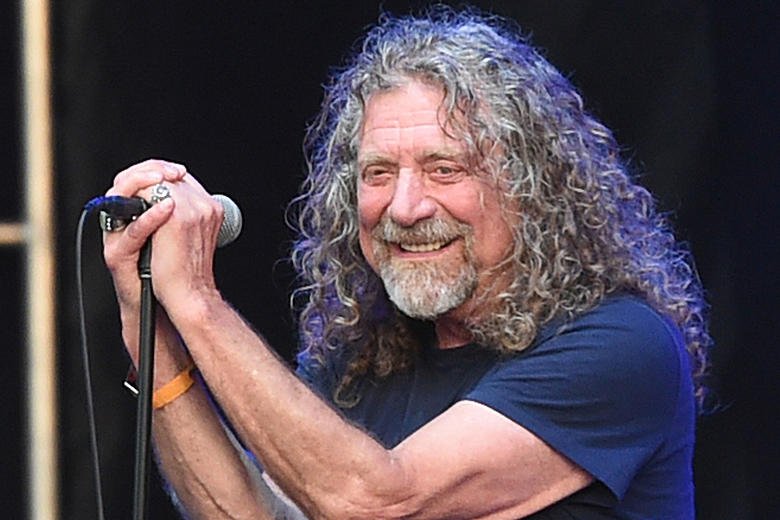
One teenager who was deeply inspired during this time was Robert Plant, who would later become the famous singer of Led Zeppelin. In 1963, Plant was only 15 years old and already fascinated by music, especially blues. Blues music from the American South had a powerful emotional style that captured his attention, and he spent a lot of time listening to those records.
When The Rolling Stones released their first single, “Come On,” a cover of a Chuck Berry song, it made a strong impression on Plant. Hearing a British band play music that had the same blues influence he loved was exciting for him. It showed him that musicians from the UK could also create powerful rock and blues music.
Plant grew up in the Midlands of England, so he was not able to attend some of The Rolling Stones’ earliest shows in London. During those early days, the band was performing in small clubs such as the Crawdaddy Club in Richmond, where they built their reputation with energetic live performances.
However, when the band finally toured other parts of the country, Plant made sure he was there. The concert he attended was part of a package tour that also featured legendary performers Bo Diddley and Little Richard. Even though The Rolling Stones were not the main act and were still early in their career, the show left a big impact on him.
Years later, Plant remembered that concert as a very special moment. He explained that many young musicians at the time loved rhythm and blues music but did not yet fully understand how to play it the way American artists did. According to him, The Rolling Stones were helping bring that style of music to British audiences in a new and powerful way.
As the years went on, Plant continued to admire the band. One song that impressed him greatly was “Street Fighting Man,” released in 1968 on the album Beggars Banquet. The song reflected the political tensions happening around the world during that time, including protests related to the Vietnam War.
“Street Fighting Man” was different from many rock songs of the era. Instead of focusing only on romance or simple themes, it talked about social unrest and political frustration. Because of its message, some radio stations even banned the song, believing it might encourage rebellion.
Despite this controversy, Plant believed the song was powerful and important. He praised The Rolling Stones for writing music that addressed real issues in society. In his opinion, the band showed that rock music could be more than just entertainment. It could also express ideas and reflect the mood of an entire generation.
Today, “Street Fighting Man” is still considered one of The Rolling Stones’ most iconic songs. It represents a moment when rock music became connected to political and social change.
For Robert Plant, seeing The Rolling Stones as a teenager helped shape his own musical journey. Their passion for blues, their bold songwriting, and their fearless attitude inspired him and many others. In many ways, the influence of The Rolling Stones helped pave the path for the next generation of rock musicians, including the future members of Led Zeppelin.