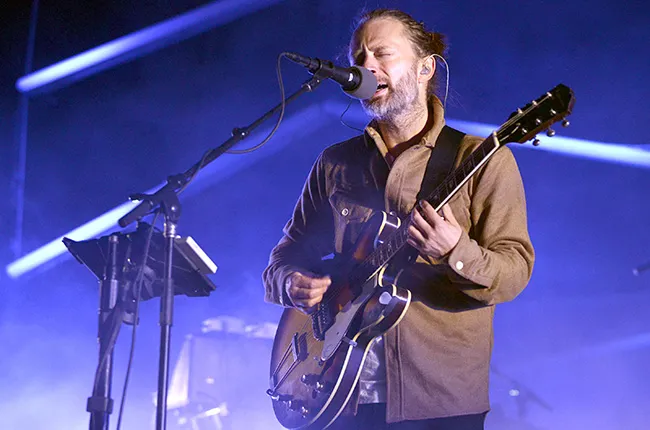
British rock band Radiohead recently made headlines after publicly condemning the U.S. Immigration and Customs Enforcement (ICE) for using one of their most beloved songs in a government video — without permission.
The video in question, posted on February 18, showed a choral version of Radiohead’s classic song “Let Down” (from their acclaimed 1997 album OK Computer) over images and text about violent crime allegedly committed by undocumented immigrants. This content was shared by ICE’s official social media accounts — including Instagram and X (formerly Twitter) — and quickly racked up hundreds of thousands of views.
📣 Radiohead’s Reaction: Strong and Direct
Radiohead didn’t hold back in their response. In a statement released by the band, they said:
“We demand that the amateurs in control of the ICE social media account take it down… It ain’t funny. This song means a lot to us and other people, and you don’t get to appropriate it without a fight. Also, go f*** yourselves.”
That quote went viral because it didn’t just ask for the video to be removed — it called out ICE in very blunt language. The band made it clear they did not give permission for their music to be used in this way.
🎧 Why “Let Down” Matters
“Let Down” is an emotional track that many Radiohead fans connect with deeply. It has been interpreted in many ways over the years, often as a song about disorientation and modern life. Using it in a political or governmental context — especially in a divisive message — clearly angered the band, who felt the music was being taken out of its artistic meaning.
This isn’t the first time ICE has faced criticism for using artists’ work without consent. Several musicians, including Sabrina Carpenter and Olivia Rodrigo, previously spoke out after their songs appeared in ICE videos they didn’t approve. And last year, The Cure even got a song removed from a Homeland Security video after filing a takedown request.
🎬 Radiohead & Film Music Drama
Around the same time, another related music controversy involved Radiohead guitarist Jonny Greenwood and the new documentary Melania, which focuses on Melania Trump. Greenwood’s orchestral score from the 2017 film Phantom Thread was reportedly used in the documentary.
Although the music was licensed from the rights holder (Universal), Greenwood and director Paul Thomas Anderson publicly said they were not consulted about its use, which they believe violated Greenwood’s composer agreement. They’ve asked for that part of the soundtrack to be removed — adding another layer to the ongoing conversation about how artists’ work should be handled in films and media.
Meanwhile, the Melania documentary has also faced resistance from other big artists. The estate of Prince blocked a song from being used because they didn’t want it associated with Donald Trump, and members of Guns N’ Roses reportedly couldn’t agree on allowing a track because of political disagreements.
🧠 What This All Means
At its core, this story isn’t just about a band being upset — it’s about artists defending their creative rights and how their work is used in public life. In an age where social media and political messaging can spread quickly, many musicians are becoming more vocal about protecting not only their music but the meaning and message behind it.
Radiohead’s blunt response — and the wider pushback from other artists — shows that musicians today aren’t afraid to speak up when they feel their art has been taken out of context or used without permission.
Thousands of American families have been torn apart because of criminal illegal alien violence.
American citizens raped and murdered by those who have no right to be in our country.
This is who we fight for.
This is our why. pic.twitter.com/lKQp1lb4Q2
— U.S. Immigration and Customs Enforcement (@ICEgov) February 18, 2026