
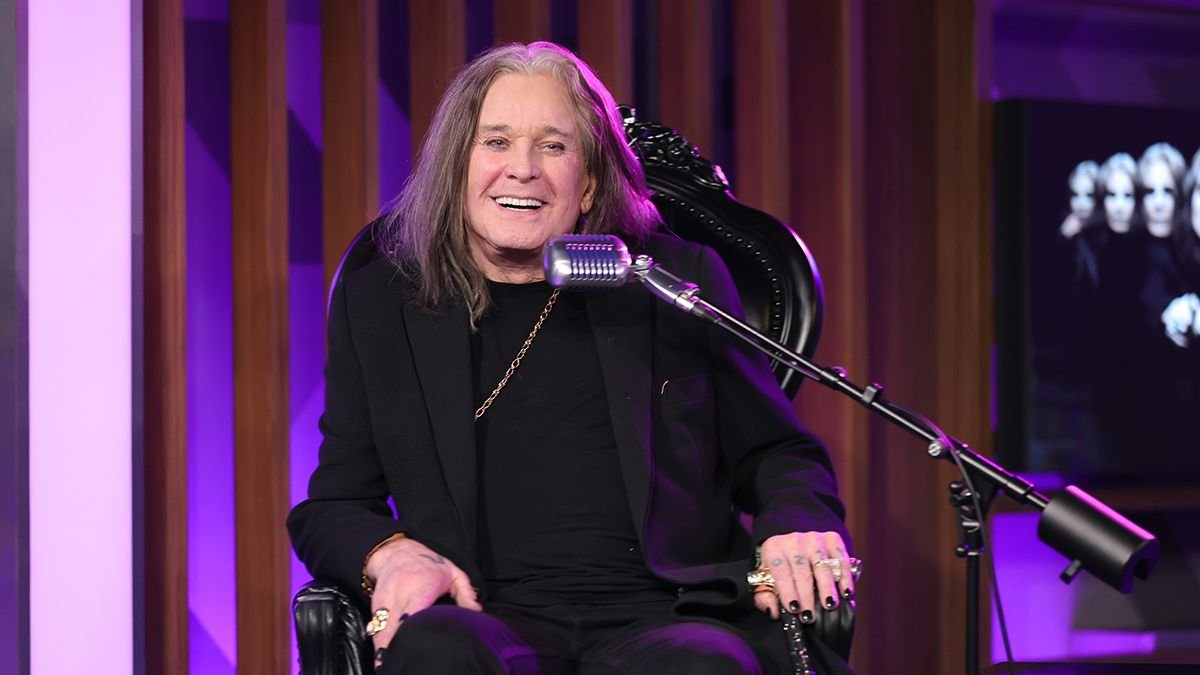
“Ozzy came to see us in Los Angeles and said it was the creepiest thing he’d ever heard, which coming from him is the biggest compliment”: Nina Persson on the Cardigans’ Sabbath covers…
Swedish indie favorites The Cardigans have kept a low profile for years, with their last studio album arriving back in 2005. That long silence is about to break, though, as the band prepares for a handful of comeback performances this summer. Ahead of those shows, frontwoman Nina Persson reflected on the group’s past—and one of its most unexpected creative detours: covering heavy metal legends.
Over the years, The Cardigans recorded not one but two songs originally by Black Sabbath. The first, “Sabbath Bloody Sabbath,” appeared on their 1995 breakthrough album Life, followed by “Iron Man” on the 1996 release First Band On The Moon.
Persson explained that the band was drawn to Sabbath not despite their heaviness, but because of it. Beneath the distortion and power chords, she felt there was a strong pop sensibility in the songwriting. She also loved the challenge of stepping far outside the band’s natural sound. Singing songs originally performed by hyper-masculine rock icons, she said, created an eerie contrast—one she found fascinating rather than intimidating.
That unsettling quality didn’t go unnoticed. Ozzy Osbourne himself once attended a Cardigans show in Los Angeles and told Persson their cover was the creepiest thing he’d ever heard. Coming from the Prince of Darkness, she considered it the ultimate seal of approval.
The band’s curiosity about harder rock didn’t stop there. In the mid-1990s, they released additional B-side covers, including Osbourne’s solo track “Mr. Crowley” and Thin Lizzy’s classic anthem “The Boys Are Back in Town,” further proving their willingness to blur genre boundaries.
Beyond music, Persson also opened up about a deeply personal chapter of her life: her battle with cervical cancer in the early 2000s. Having rarely been ill before turning 30, facing a life-threatening diagnosis came as a shock. Fortunately, her cancer was operable, and she avoided chemotherapy and severe physical decline. Still, the experience left a lasting mark.
She described how illness reshaped her outlook, sharpening her appreciation for art and life itself. While she spent many years confidently telling herself she had beaten cancer, reaching her 50s brought a more sobering realization—that vulnerability never truly disappears, and it can return at any time.
Although Persson stated in 2023 that The Cardigans were unlikely to release new music, she now admits the idea hasn’t been completely abandoned. Practical challenges—families, everyday jobs, and distance—stand in the way, but the creative spark remains. She also finds encouragement in seeing peers from the same era, such as Suede, releasing strong, relevant new material.
For Persson, it’s proof that making music later in life doesn’t have to feel forced or nostalgic. When done honestly, she believes, it can still sound vital, inspired, and genuinely exciting.