
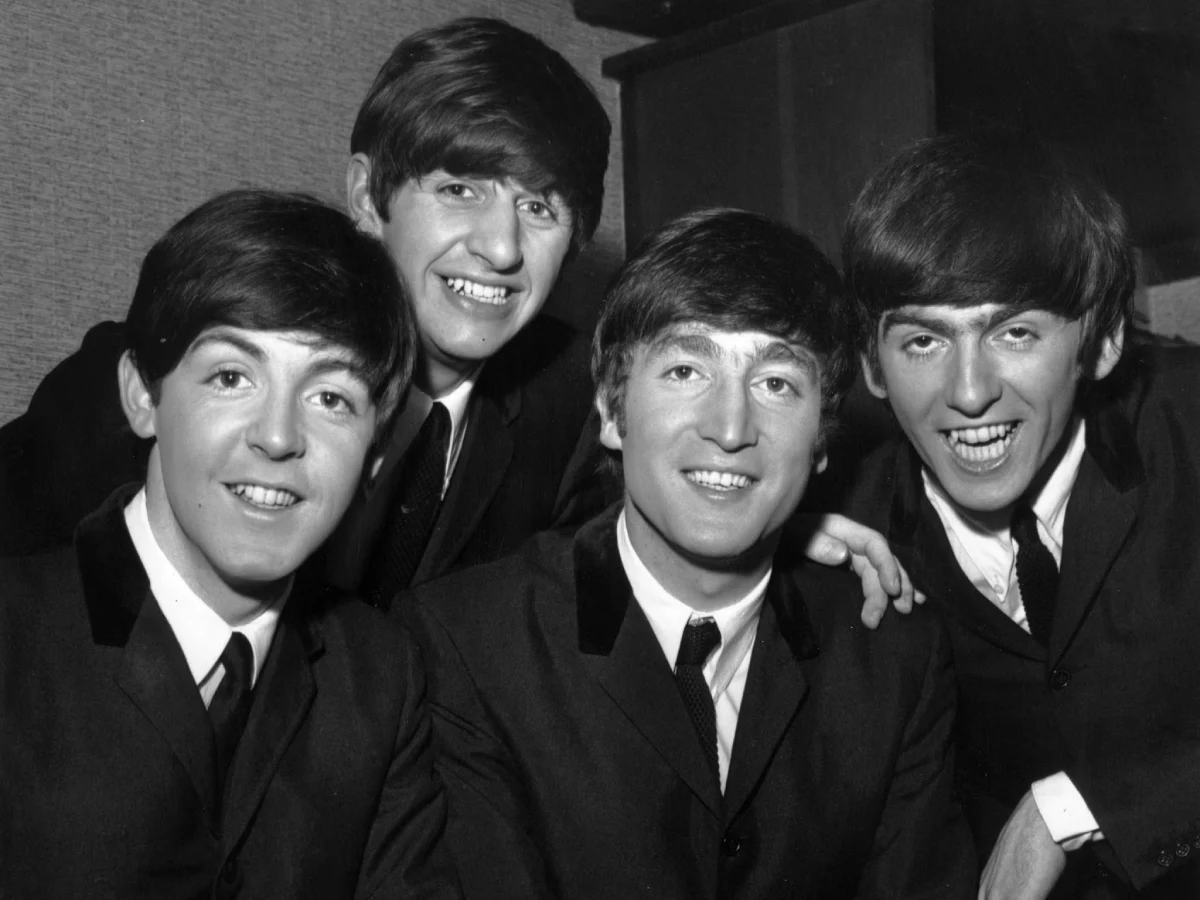
More than sixty years ago, The Beatles faced one of the biggest setbacks in music history. In 1962, the band auditioned for Decca Records and were turned down. At the time, no one could have imagined that this rejected group would soon change music forever. Just three months later, everything changed when producer George Martin signed them to EMI’s Parlophone label. That decision didn’t just launch The Beatles’ career — it helped shape modern music.
George Martin was far more than a record producer. He helped The Beatles grow creatively and musically. He wrote many of the string and orchestral arrangements heard on classic songs like Yesterday, Eleanor Rigby, and A Day in the Life. He also played piano and keyboards on several tracks. His musical knowledge and willingness to experiment matched perfectly with the band’s imagination. Because of this deep involvement, fans and historians often call him the “Fifth Beatle.”
When George Martin passed away in 2016, it felt like the end of an era. However, his influence did not disappear. His son, Giles Martin, stepped into an important role — protecting and updating The Beatles’ legacy for new generations. Giles is a Grammy-winning producer who has spent years working through the band’s massive archives. His job has been to remix, restore, and sometimes rebuild Beatles recordings using modern technology, while still respecting the original sound.
Even though The Beatles stopped performing together more than 50 years ago, interest in their music has never faded. Giles Martin has often spoken about how surprising and powerful that continued love is. Fans still want to hear unreleased songs, early demos, and alternate versions. That demand led to the release of Anthology 4 in November 2025.
Anthology 4 includes 13 previously unreleased recordings, along with new mixes of Free as a Bird and Real Love. These songs are especially emotional because they feature John Lennon’s voice, restored using artificial-intelligence-assisted audio technology. This same technology was used on Now and Then, the Beatles’ final song released in 2023. The goal was not to change history, but to make the recordings clearer and more complete.
One of the highlights of Anthology 4 is an early version of Helter Skelter. This take is raw, loud, and aggressive — showing just how heavy The Beatles could sound. Giles Martin has said he loves this version because it feels “in-your-face” and honest. However, he has also made it clear that not everything needs to be released. Fans often ask for longer or unfinished recordings, like the rumored 20-minute version of Helter Skelter, but Giles believes the time has come to stop digging.
Another emotional moment from the collection is the first take of In My Life from the 1965 album Rubber Soul. This song was George Martin’s favorite. Giles has shared that he read its lyrics at his father’s funeral, making the track deeply personal. What stands out most is how complete the song sounds from the very beginning. The band didn’t need endless takes or complicated planning — they simply played, and the magic was there.
According to Giles Martin, the Beatles’ archive is now nearly empty. While surprises can still happen, he believes they have reached the end of the road. If Anthology 4 truly is the final chapter, it serves as a powerful reminder of how timeless The Beatles’ music is — and how one producer, and later his son, helped keep that legacy alive.