
Growing up as the child of a global cultural icon carried a complicated emotional weight for Julian Lennon. While the outside world imagined a glamorous childhood surrounded by music history, his early years were shaped more by absence than by fame.
When his father, John Lennon, separated from Julian’s mother, Cynthia Lennon, in 1968 to begin a relationship with Yoko Ono, Julian was only five years old. The breakup marked the beginning of a distant and emotionally complicated father-son relationship that never fully healed.
Out of that difficult period came one of the most cherished songs in popular music—Hey Jude.
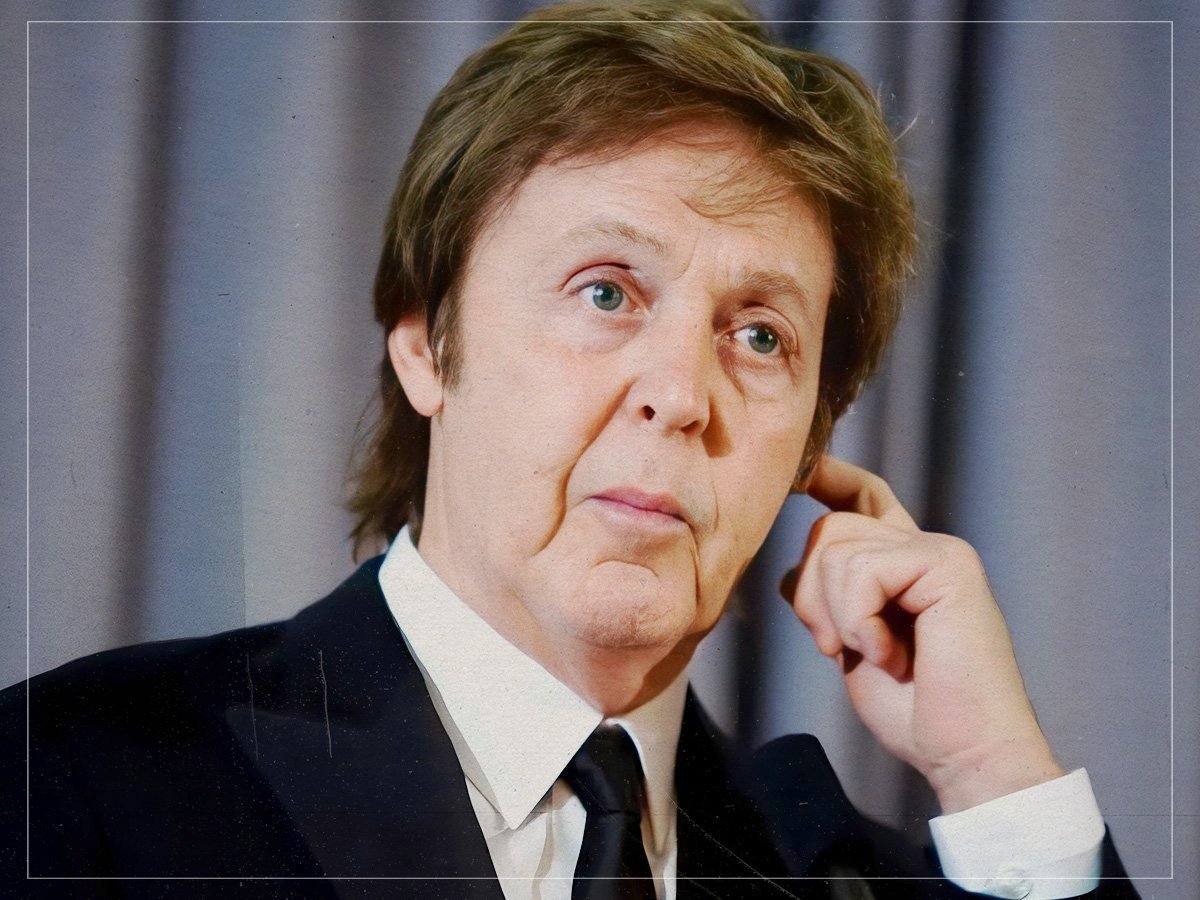
The song was written by Paul McCartney. Originally, it carried the working title “Hey Jules,” a gentle message of comfort directed at young Julian. McCartney had visited Cynthia and Julian during the time of the divorce, worried about how the child was coping with the sudden change in his family life. During the drive back, the melody and lyrics gradually formed—becoming a musical message meant to encourage a confused and hurting child.
For millions of listeners, “Hey Jude” became a universal anthem about hope, healing, and emotional endurance. But for Julian, the song has always carried deeper and more complicated emotions. He has spoken in interviews about the bittersweet feeling of knowing the song was written for him—yet not by the person he wished had been there.
The realization that someone else filled the emotional space left by his father continues to carry a quiet sting. While the world hears warmth and reassurance in the famous chorus, Julian sometimes hears a reminder of emotional distance.
After John Lennon’s death in 1980, the possibility of reconciliation disappeared forever. The song’s meaning became heavier, symbolizing both kindness and loss. It stood as a tribute to compassion, but also as a reflection of what was missing in Julian’s relationship with his father.
Interestingly, McCartney’s simple act of checking on Julian during a painful family moment became one of the most meaningful gestures in his life. What began as concern for a child turned into a song that would be sung by generations around the world.
Living as the son of a member of The Beatles meant carrying a legacy that the world constantly measured. But living with a song that immortalized childhood sadness added another layer of emotional complexity.
For Julian Lennon, “Hey Jude” is both a beautiful musical masterpiece and a personal memory. The song represents a moment when comfort came from an unexpected place, even if it could not replace what was lost.
Ultimately, the power of “Hey Jude” lies in its universal message of resilience. Yet behind the timeless chorus lives the story of a small boy once called “Jules,” whose childhood confusion and longing quietly echo beneath one of the greatest songs ever written.