
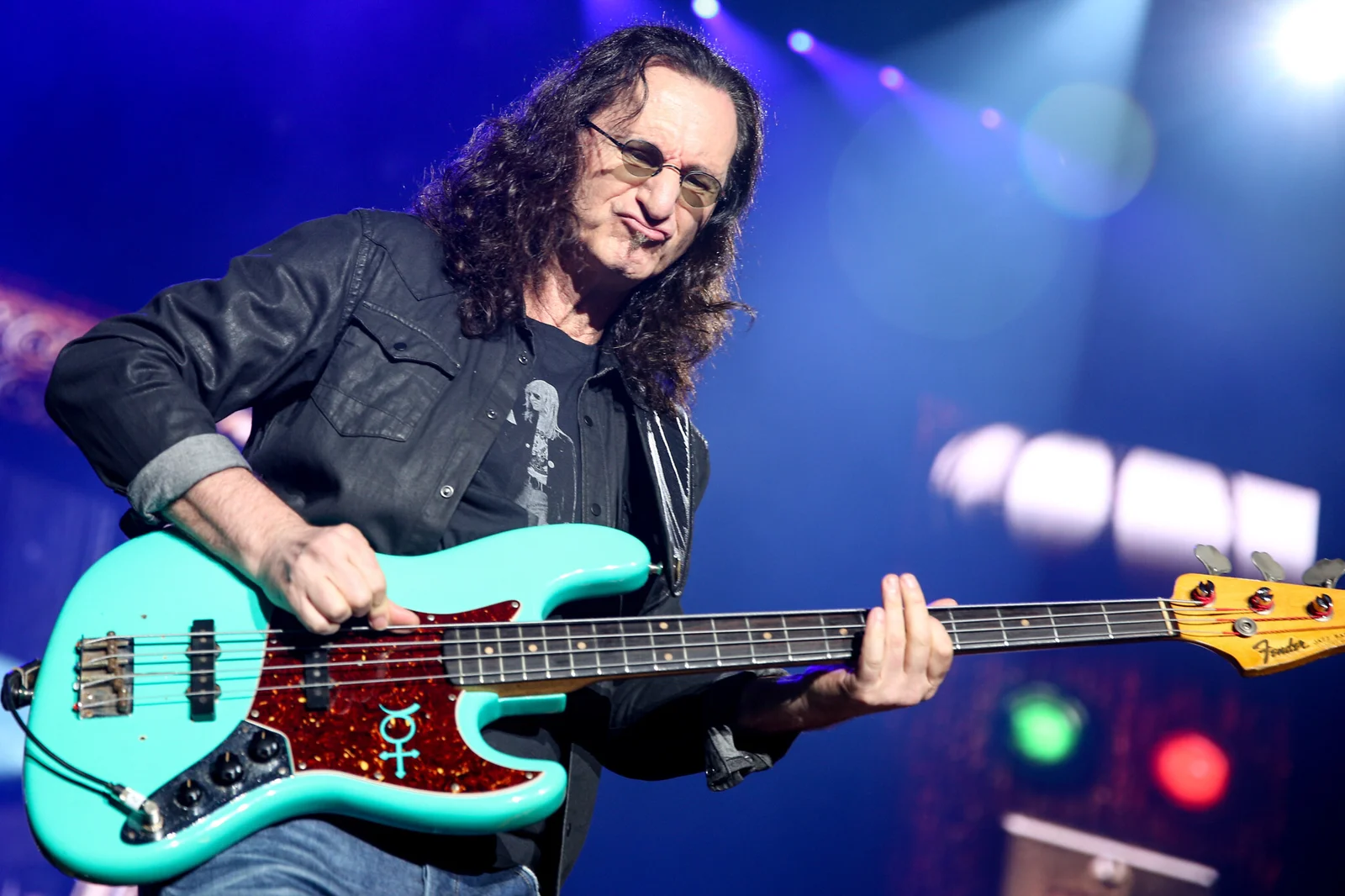
Before Rush became one of the biggest names in progressive rock, the music world had already seen many talented bass players. Musicians like John Paul Jones from Led Zeppelin and Jack Bruce from Cream had shown that the bass could be powerful, creative, and essential. However, Geddy Lee took things even further. He didn’t just play bass in Rush—he helped redefine what the instrument could do in rock music.
What made Geddy Lee special was the way he approached the bass. Instead of staying in the background, he often played melodic and complex lines that sounded more like lead guitar parts. At the same time, his playing always supported the song. Even when his bass lines were fast or complicated, they never felt random or pointless. Everything he played fit perfectly into Rush’s music.
Rush was known as a progressive rock band, and prog rock is famous for long songs, odd time signatures, and high-level musicianship. But Rush also had something many prog bands lacked: self-awareness. The band understood that their music could sometimes be overwhelming or overly complex. Still, albums like Hemispheres showed that they were willing to push themselves creatively by learning from other adventurous prog bands and taking risks.
One of Rush’s most famous songs, “2112,” would likely not exist without bands like King Crimson and Genesis paving the way first. Those groups showed that rock music could be ambitious and experimental. However, Rush added their own edge. Geddy Lee’s bass playing had more aggression and power than what was typical in prog rock. His style mixed Jack Bruce’s bold, upfront bass approach with John Entwistle’s sharp attack from The Who. The result was music that felt progressive but still heavy, almost like Black Sabbath in terms of power.
Another major influence on Geddy Lee was Chris Squire from Yes. Squire helped set the blueprint for aggressive, melodic bass playing in progressive rock. Songs like “Roundabout” showed how the bass could drive an entire track while still being catchy enough for radio play. That combination of complexity and accessibility had a huge impact on Lee.
Even though Lee admired Squire deeply, he never tried to copy him exactly. In fact, Lee openly admitted how difficult Squire’s playing was. He once said that if he could play on any song, it would be “Roundabout,” calling it one of the greatest bass parts ever written. At the same time, he was honest enough to say he didn’t think he could actually play like Squire. That humility made Lee even more respected among musicians.
Over time, though, Geddy Lee went beyond many of his influences. While Chris Squire was known for modifying his basses and creating a unique tone, Lee managed to hold Rush’s entire sound together using mostly fingerstyle playing, which is incredibly demanding. Singing, playing complex bass lines, and performing live at a high level all at once is something very few musicians can do.
One of the most memorable moments of Lee’s career came when he finally played “Roundabout” with Yes at the Rock and Roll Hall of Fame ceremony. Instead of struggling, Lee made it look effortless. His bass tone was powerful and aggressive, proving that he could honor his hero while still sounding like himself.
In the end, Geddy Lee stepping into that role felt like a passing of the torch. Rush may not have always received the recognition they deserved early on, but history has been kind to them. Today, it’s clear that Geddy Lee and his bandmates stood shoulder to shoulder with the greatest prog rock musicians—and in many cases, were just as good, if not better.