
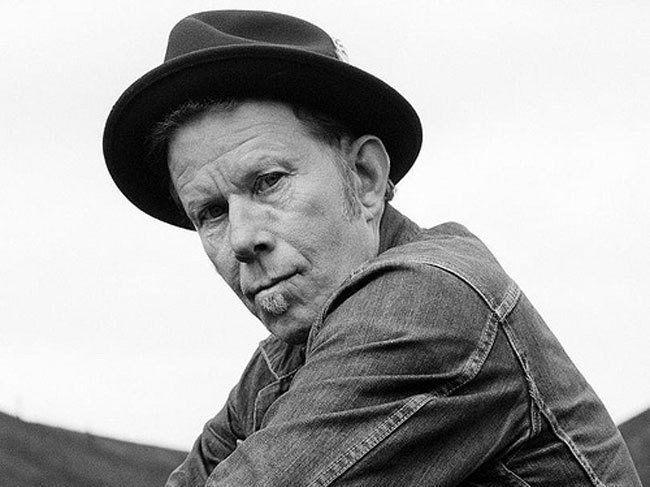
When people talk about Tom Waits, one thing always comes up—he is impossible to define. His music doesn’t stay in one place. Instead, it keeps changing, evolving, and surprising listeners. Every album feels like it comes from a different version of the same artist.
In the early 1970s, Waits started with a soft and emotional sound. Albums like Closing Time and The Heart of Saturday Night showed a gentle, piano-driven style. His voice was smoother back then, and his songs felt calm, often telling stories about lonely nights, love, and city life.
But things didn’t stay that way.
As his career moved forward, his voice became rougher and deeper. By the time he released Small Change, his sound had changed a lot. The music felt darker, and his voice had a gritty edge that made his songs feel more raw and real. It was clear that Waits was not afraid to change—even if it surprised his fans.
A major turning point in his career came in the 1980s when he began working closely with Kathleen Brennan. This period brought a completely new direction to his music. He started experimenting with unusual sounds, strange instruments, and more abstract ideas. Albums like Rain Dogs showed this shift clearly. His music became more experimental, sometimes even strange, but also very creative.
From that point on, Waits continued to explore deeper and darker sounds. His later work, especially from the 1990s onward, can feel intense and even a little unsettling for new listeners. But that’s part of what makes him unique—he doesn’t try to make things easy. He challenges his audience.
One reason for his constant change is his wide range of inspirations. Waits has never followed just one style of music. He has taken ideas from many different artists and genres. For example, he has spoken about his admiration for Bob Dylan, even calling him essential for songwriters. Songs like Sad Eyed Lady of the Lowlands had a strong impact on him.
He was also influenced by bands like The Rolling Stones, especially songs like I Just Want to See His Face. Interestingly, Waits later worked with Keith Richards, which shows how much he respected their music.
At the same time, his taste wasn’t limited to rock. He enjoyed artists like Ike & Tina Turner, The Shirelles, and Roy Orbison. He also admired powerful voices like Janis Joplin and blues legends like Howlin’ Wolf. This mix of influences helped shape his unique sound.
What makes Waits truly special is how he uses all these inspirations. He doesn’t copy them—he transforms them. His music moves from soft ballads to strange, experimental sounds, always pushing boundaries.
In the end, Tom Waits is an artist who refuses to stay the same. His journey shows that music doesn’t have to follow rules. It can change, grow, and explore new directions. And maybe that’s why his work still feels fresh and interesting today—because he’s always searching for something new.
A selection of Tom Waits’ favourite songs:
- ‘96 Tears’ – ? and the Mysterians
- ‘All Shook Up’ – Elvis Presley
- ‘Almost Blue’ – Chet Baker
- ‘Auld Lang Syne’ – Traditional
- ‘Autumn Leaves’ – Frank Sinatra
- ‘Ball and Chain’ – Big Brother and the Holding Company
- ‘Boris the Spider’ – The Who
- ‘Bring it on Home to Me’ – Sam Cooke
- ‘Bring Me A Little Water Sylvie’ – Lead Belly
- ‘Can’t Stop Loving You’ – Ray Charles
- ‘Cause Of It All’ – Howlin Wolf
- ‘China Pig’ – Captain Beefheart
- ‘Come In My Kitchen’ – Robert Johnson
- ‘Crawling King Snake’ – The Doors
- ‘Danny Boy’ – Tradtional
- ‘Deportee’ – Woody Guthrie
- ‘Dirty Old Town’ – The Pogues
- ‘El Paso’ – Marty Robbins
- ‘Empty Bed Blues’ – Bessie Smith
- ‘Fairytale of New York’ – The Pogues
- ‘For What it’s Worth’ – Buffalo Springfield
- ‘Georgia On My Mind’ – Ray Charles
- ‘Good Time Charlie’s Got The Blues’ – Elvis Presley
- ‘Greensleeves’ – Traditional
- ‘Harlem Shuffle’ – Bob & Earl
- ‘Hava Nagila’ – Traditional
- ‘Hello Walls’ – Willie Nelson
- ‘Hound Dog’ – Elvis Presley
- ‘I Just Want To See His Face’ – The Rolling Stones
- ‘In Dreams’ – Roy Orbison
- ‘Like A Fool’ – Ike and Tina Turner
- ‘Just Like A Woman’ – Bob Dylan
- ‘Lean Back’ – Fat Joe
- ‘Louie Louie’ – The Kingsmen
- ‘Mass in E Minor’ – Traditional
- ‘Moon River’ – Andy Williams
- ‘Nessun Dorma’ – Aretha Franklin
- ‘Night Train’ – James Brown
- ‘Nowadays Clancy Can’t Even Sing’ – Buffalo Springfield
- ‘Ode to Billie Joe’ – Bobbie Gentry
- ‘Oh Holy Night’ – Tradition
- ‘Pathetique Sonata’ – Beethoven
- ‘Prisoner of Love’ – James Brown
- ‘Pump It Up’ – Elvis Costello
- ‘Raglan Road’ – Luke Kelly
- ‘Red Right Hand’ – Nick Cave and the Bad Seeds
- ‘Restless Farewell’ – Bob Dylan
- ‘Ringo’ – Lorne Green
- ‘Rite of Spring’ – Stravinsky
- ‘Sad Eyed Lady Of The Lowlands’ – Bob Dylan
- ‘Same Thing’ – Willie Dixon
- ‘Second Prelude’ – Gershwin
- ‘Shenandoah’ – Traditional
- ‘So Lonesome I Could Cry’ – Hank Williams
- ‘Soldier Boy’ – The Shirelles
- ‘Sophisticated Lady’ – Duke Ellington
- ‘Strange Fruit’ – Billie Holiday
- ‘Substitute’ – The Who
- ‘Summertime’ – Ella Fitzgerald
- ‘Sunday Mornin’ Coming Down’ – Kris Kristofferson
- ‘Theme from Once Upon A Time In America
- ‘Theme from Rawhide’
- ‘This is a Man’s Man’s Man’s World’ – James Brown
- ‘Train Kept-a-Rollin’ – The Yardbirds
- ‘Trouble Man’ – Marvin Gaye
- ‘Wade in The Water’ – Traditional
- ‘Walk Away Renee’ – The Left Banke
- ‘Waltzing Matilda’ – Traditional
- ‘Wang Dang Doodle’ – Howlin Wolf
- ‘Who’ll Stop The Rain?’ – Credence Clearwater Revival
- ‘Without a Song’ – Frank Sinatra
- ‘You Really Got Me’ – The Kinks
- ‘You Win Again’ – Bee Gees
- ‘You’ve Really Got a Hold On Me’ – Smokey Robinson