
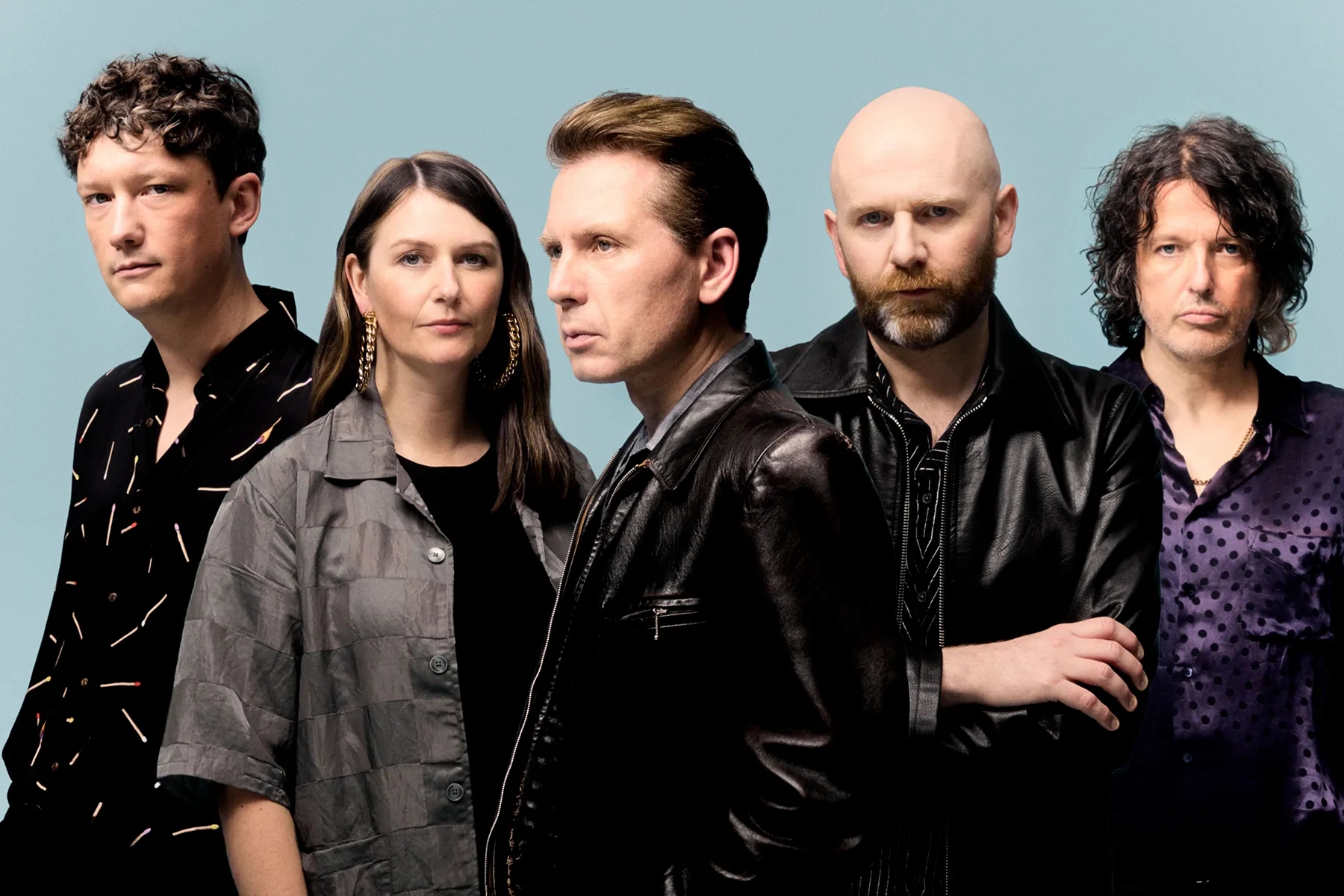
Music can bring joy, memories, and powerful emotions to people all around the world. But sometimes music is used in ways that the artists never expected or wanted. Recently, the Scottish indie rock band Franz Ferdinand spoke out after their famous song Take Me Out was used in a military propaganda video without their permission.
The band’s lead singer, Alex Kapranos, publicly criticized the use of the song and expressed his anger on social media. The situation has started a bigger conversation about music rights, politics, and how art can be used in global conflicts.
The Video That Started the Controversy
The issue began when a video connected to the Israel Defense Forces (IDF) appeared online. The video showed dramatic scenes of military action, including bombs, planes, and air strikes. These scenes were linked to a military campaign called Operation Roaring Lion.
In the video, an English-speaking soldier talks about the operation and says that it is aimed at fighting what he calls the Iranian “terrorist regime.” The soldier also says the operation is being carried out with support from the United States Armed Forces.
What made the video controversial was the soundtrack. In the background, the famous indie rock song “Take Me Out” by Franz Ferdinand was playing.
Alex Kapranos Responds
When Alex Kapranos saw the video, he shared it on his Instagram story and strongly criticized the people who used the band’s music.
Kapranos said that the band did not give permission for their song to be used in the video. He described the situation as upsetting and said the band felt both “nauseous and furious.”
He also criticized the people behind the video for using the song without consent. According to him, it showed arrogance to take someone else’s creative work and use it for a political or military message without asking the artists first.
His reaction quickly spread across social media and music news sites, and many fans began discussing the issue.
Politics and Global Conflict
The military campaign mentioned in the video has also been discussed by political leaders. Israeli Prime Minister Benjamin Netanyahu described Operation Roaring Lion as a campaign aimed at stopping threats from Iran’s government.
At the same time, former U.S. president Donald Trump also faced criticism after referring to the United States’ involvement in the conflict as “Operation Epic Fury.” According to him, the goal was to protect the American people by dealing with possible threats from Iran.
These political statements have made the situation even more controversial, especially since music from a popular band became connected to the messaging around the conflict.
Franz Ferdinand’s Political History
This is not the first time Franz Ferdinand has spoken about politics. In the past, the band has openly criticized Donald Trump and his political views.
In 2016, they released a protest song called Demagogue, which was part of a music project that criticized Trump’s presidential campaign.
Because of this history, many fans were not surprised that the band quickly spoke out about the use of their music in a military video.
The Band’s Recent Work
Despite the controversy, Franz Ferdinand has continued to focus on their music. In 2025, they released their latest album, The Human Fear.
The album received mixed reviews from critics. Some praised its polished sound and professional production, while others felt it lacked the wild creative energy that made the band famous in the early 2000s.
Still, the band remains an important name in indie rock, and songs like “Take Me Out” continue to be loved by fans around the world.
Why This Situation Matters
This controversy highlights an important issue: artists want control over how their work is used. When music is connected to political messages, wars, or propaganda, it can send a message that the artist may not agree with.
For Franz Ferdinand, the problem was not just about copyright. It was also about the meaning behind their music and how it represents them as artists.
As music continues to spread quickly through social media and online videos, situations like this may become more common. And each time it happens, it raises the same question: who really controls how music is used in the world?