
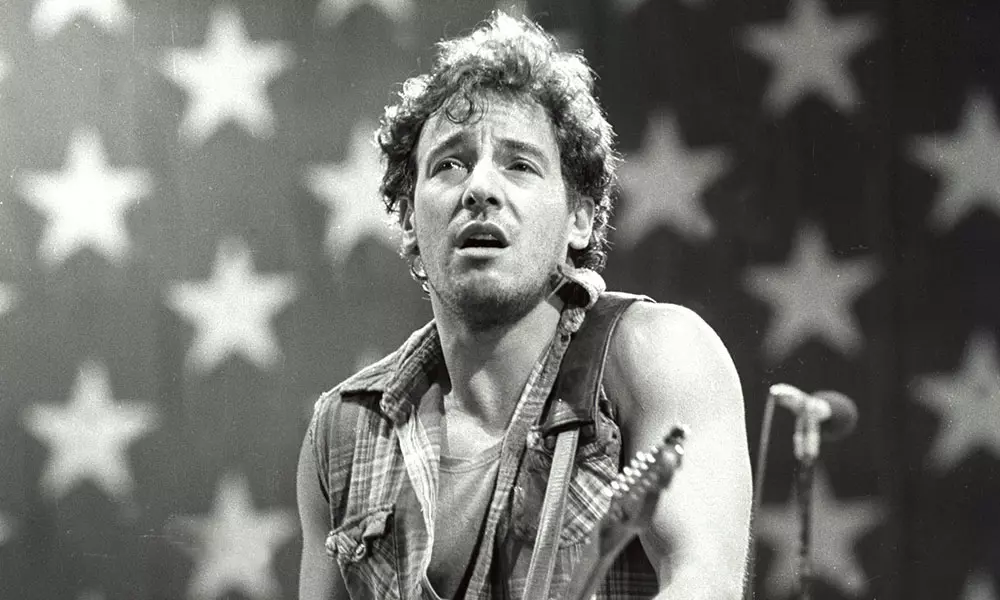
In a move that blends music industry business with legal muscle, Bruce Springsteen—famously known as “The Boss”—has turned to the courts in New Jersey to crack down on unauthorized merchandise sales outside his upcoming April 20 show.
According to reports from Complete Music Update, Springsteen’s official merchandising partner, Live Nation’s Merch Traffic division, has filed a legal request seeking permission for law enforcement to “seize and impound any and all infringing merchandise.” The filing specifically calls on the United States Marshal, along with local and state police, to take action against vendors selling bootleg items.
Interestingly, the request doesn’t single out any individual sellers. Instead, it broadly targets any unauthorized goods—ranging from t-shirts and jerseys to caps—that misuse Springsteen or E Street Band trademarks. The filing argues that these items often mimic the look of official merchandise but fall short in quality and, crucially, lack authorization.
Beyond just confiscation, Merch Traffic is pushing for an injunction to prevent these unofficial vendors from selling their products altogether, particularly during the event itself. It’s a proactive approach aimed at protecting both the artist’s brand and fans from being misled by inferior knockoffs.
Springsteen isn’t alone in this fight. Artists like Dua Lipa, Tate McRae, and Benson Boone have recently pursued similar legal measures to curb the growing issue of rogue merch sellers outside concert venues.
This legal push comes as Springsteen continues the U.S. leg of his Land of Hope and Dreams tour, which kicked off in Minneapolis on March 31. But it’s not just the merchandise drawing attention—his onstage commentary has also sparked headlines.
During recent performances, Springsteen has openly criticized the current political climate, describing the moment as one of the “darkest times” in American history. He voiced concerns about threats to long-standing national values and spoke out against what he called an “unconstitutional and illegal war.”
His remarks didn’t go unnoticed. Donald Trump responded sharply on Truth Social, urging supporters to boycott Springsteen’s concerts in a characteristically blunt, all-caps message.
As the tour rolls on, it’s clear that Springsteen’s impact is extending far beyond the stage—touching on issues of intellectual property, fan experience, and political discourse. Whether through music or legal action, “The Boss” continues to make his presence felt.