
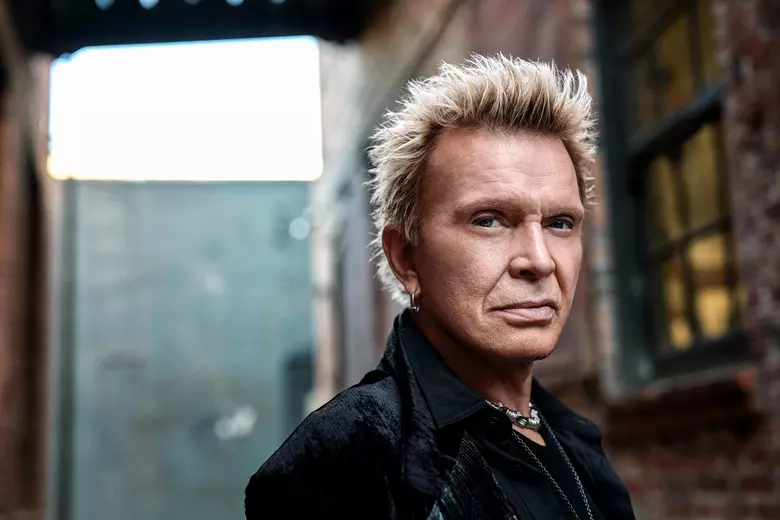
Billy Idol Should Be Dead: New documentary “digs deep” into star’s “emergence as a prototypical punk rocker” and transformation into an MTV superstar…
A full-length documentary exploring the wild, improbable journey of Billy Idol is finally arriving—and few careers feel more deserving of such close examination. Titled Billy Idol Should Be Dead, the film made its first public appearance at the Tribeca Film Festival last year and is now set for theatrical release across the US and Canada beginning 26 February.
Ahead of its wider rollout, the documentary will be previewed at two high-profile events: one at the TCL Chinese Theatre in Los Angeles on 23 February, followed by a New York screening at Regal Union Square on 25 February. Both nights will feature something extra for fans—an intimate acoustic performance by Idol alongside his longtime creative partner, guitarist Steve Stevens.
According to the film’s official description, the documentary draws on rare archival footage and deeply personal interviews with Idol himself, as well as family members, collaborators, and contemporaries. It traces his evolution from a snarling punk outsider to a dominant force in the MTV era, while also confronting the personal battles that threatened to derail his career. At its heart, the film asks how Idol managed not just to survive decades of excess and upheaval, but to remain one of rock music’s most enduring and recognizable figures more than 50 years after first stepping on stage.
Born William Broad, Idol—now 70—was among those whose lives were irrevocably altered after witnessing an early performance by the Sex Pistols. He became part of the infamous Bromley contingent, the tight-knit group of early fans who helped define the visual attitude and cultural energy surrounding the band.
From there, Broad quickly crossed the line from observer to participant. He first joined the punk group Chelsea before forming Generation X with bassist Tony James. Embracing punk tradition to the fullest, he also adopted the name that would soon become iconic: Billy Idol.
While Generation X enjoyed modest success, Idol’s most pivotal decision came in 1981 when he moved to New York City. Teaming up with Steve Stevens, he reshaped punk’s raw aggression into a sleeker, more accessible hybrid of new wave and hard rock—perfectly suited for the visual age of MTV. The result was a string of massive hits that dominated the decade. For much of the 1980s, Idol’s sneer, spiked hair, and permanently curled lip effectively became punk rock’s public face for mainstream America.
Naturally, the documentary doesn’t shy away from the darker chapters that followed. Substance abuse, near-fatal overdoses, a devastating motorcycle accident that nearly cost him his leg, creative burnout, and eventual resurgence all form part of the familiar—but no less gripping—rock documentary arc.
As of now, there’s no confirmation on whether Billy Idol Should Be Dead will receive a theatrical release in Europe, or when that might happen. For fans across the Atlantic, it remains a waiting game—but one that promises a raw, unfiltered look at a life that repeatedly flirted with disaster and somehow refused to fade away.