
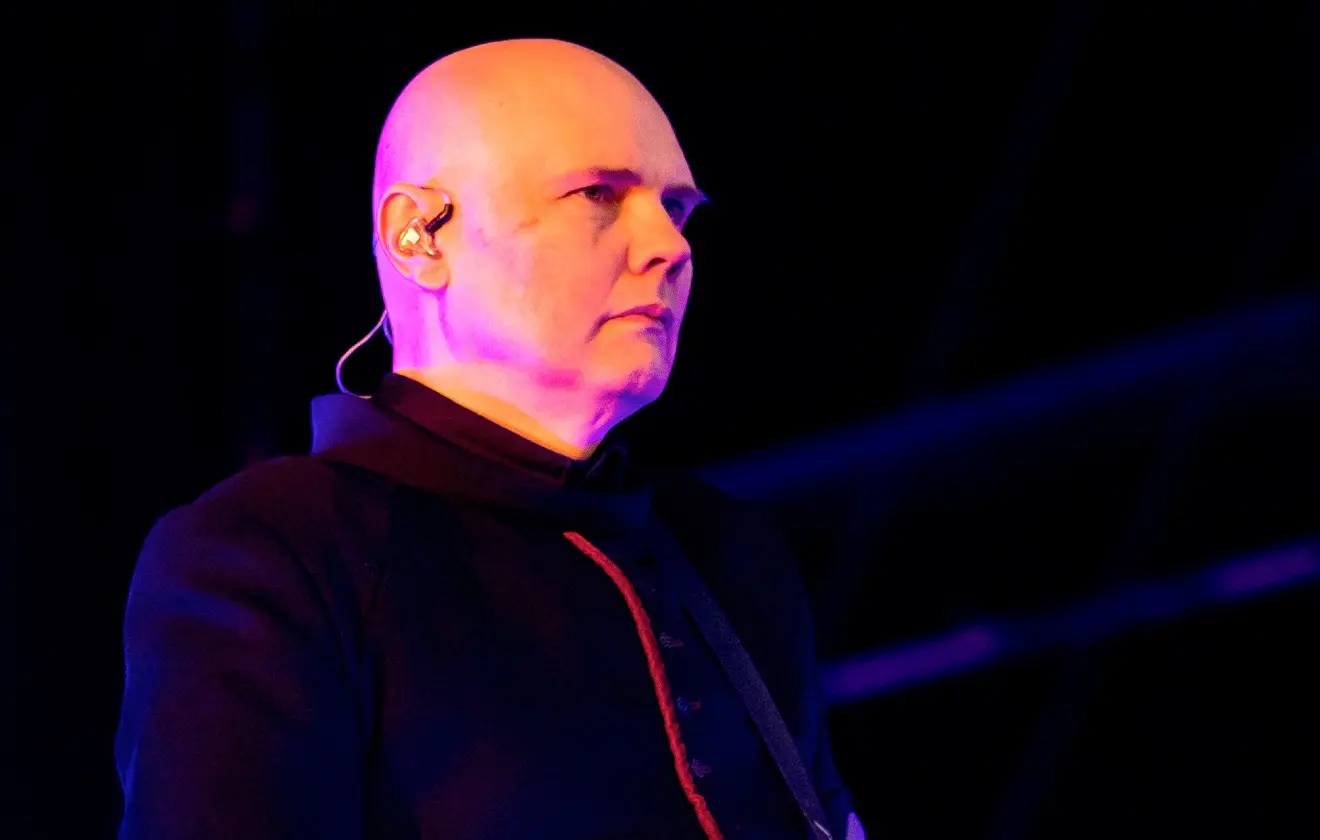
Rock music used to be everywhere. In the 1980s and 1990s, rock bands dominated radio, MTV, and music charts. Artists and bands influenced fashion, culture, and even politics. But today, rock does not seem as visible in mainstream culture as it once was. Recently, Billy Corgan, the frontman of The Smashing Pumpkins, shared his thoughts about why this might have happened.
Corgan talked about this topic on his podcast The Magnificent Others while speaking with cultural commentator Conrad Flynn. During the conversation, he suggested that rock music may have been “purposefully dialed down” in popular culture.
According to Corgan, something changed in the late 1990s. He specifically mentioned the period around 1997 or 1998. At that time, rock music was still very popular, especially with the success of alternative rock bands like The Smashing Pumpkins, Nirvana, and Pearl Jam. However, he believes the music industry suddenly shifted its focus away from rock.
Corgan pointed to MTV as an example. During the 1990s, MTV played a huge role in promoting music. Many rock bands became famous through their music videos on the channel. But Corgan says that during the late 1990s, MTV began to move away from rock and focus more on rap and hip-hop.
He said that while rock music was still very popular with fans, the media seemed to decide that rock was no longer the main genre they wanted to promote. As a result, rap and hip-hop artists started receiving more attention and airtime.
Corgan also talked about how the rules and standards on television changed during that time. According to him, certain images and themes that were not allowed before suddenly started appearing in music videos. He believes this shift happened very quickly.
During the conversation, Corgan also mentioned that some people believe there may have been powerful forces influencing cultural trends behind the scenes. Some theories even suggest government agencies like the CIA could have played a role. However, Corgan made it clear that he does not have proof of this. He simply said that he personally witnessed a major shift happening in the music industry.
Whether or not people agree with his theory, Corgan raised an interesting point about rock music today. He believes there is a strange situation in the music world. Even though rock bands still sell huge numbers of concert tickets, they rarely dominate mainstream media or pop culture.
For example, many rock bands still perform in stadiums and headline major music festivals. Fans around the world continue to support rock music and attend concerts. Yet, when people look at music charts, streaming playlists, or social media trends, pop and hip-hop artists are usually the ones receiving the most attention.
Corgan believes this creates a “schism,” or a disconnect. On one hand, rock music still has a strong fan base and remains very successful in live performances. On the other hand, it does not seem to have the same cultural voice it once had.
In the end, Corgan’s comments started a bigger conversation about the relationship between culture and music. Today, many artists are expected to speak about political or social issues, and music genres often reflect the mood of society. Some people believe cultural trends naturally change over time, while others think the media and industry have more influence than we realize.
Regardless of the reason, rock music still has millions of fans around the world. While it may not dominate mainstream culture the way it once did, its impact on music history and its loyal audience remain strong. For many listeners, rock is far from dead—it has simply moved to a different place in the modern music landscape.