
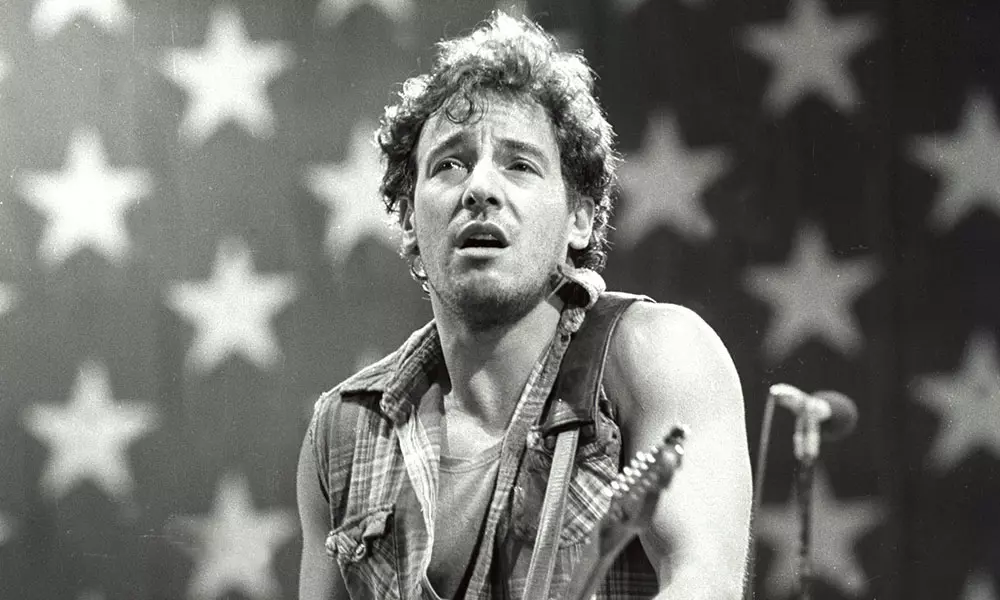
On his appearance on The Late Show with Stephen Colbert, Bruce Springsteen delivered a striking live moment centered around a performance of a protest-style song titled “Streets of Minneapolis.” The segment stood out not just as a musical performance, but as a politically charged statement wrapped in the language of American rock tradition.
Introduced in a stripped-back studio setting, Springsteen stepped onto the stage with minimal production—no elaborate visuals, just a band, instruments, and a quiet intensity that immediately set a reflective tone. The performance was framed as part tribute, part commentary, and part protest, aligning with Springsteen’s long-standing reputation for writing songs that capture the struggles, frustrations, and resilience of everyday people.
“Streets of Minneapolis” is presented in this context as a narrative-driven anthem, evoking imagery of working-class life, civic tension, and emotional exhaustion in an American city landscape. The lyrics, as delivered live, carried a sense of urgency—less polished pop structure and more spoken storytelling through music. Springsteen’s vocal delivery emphasized weariness and conviction, reinforcing the idea that the song was meant to reflect lived experience rather than abstraction.
What made the moment especially significant was the atmosphere surrounding it. Springsteen’s performance followed a guest appearance where he openly expressed support for Colbert and commented on broader concerns about media freedom, political pressure, and corporate influence in entertainment. The transition from spoken remarks into music created a seamless shift from commentary to emotional expression.
The studio audience reacted with a mix of silence, applause, and visible focus—an uncommon response in a late-night format typically defined by humor and quick pacing. Instead, the room held still, allowing the performance to unfold without interruption. That contrast highlighted the weight of Springsteen’s presence and the rarity of such a direct protest-style performance on mainstream late-night television.
Musically, the arrangement leaned toward Springsteen’s classic roots-rock sound: steady percussion, warm guitar tones, and a gradual build that gave the song a storytelling arc. Rather than relying on spectacle, the performance emphasized restraint, allowing each lyric and chord to land with emotional clarity.
Within the broader narrative of the episode, “Streets of Minneapolis” functioned as a centerpiece moment—tying together themes of cultural criticism, artistic independence, and public discourse. Springsteen’s appearance reinforced his longstanding image as an artist who uses music not only for entertainment, but also for reflection on social and political realities.
By the end of the performance, the tone in the studio had shifted noticeably. What began as a late-night talk show segment transformed into something closer to a live protest performance, underscoring the unique power of music in televised spaces. Whether viewed as a symbolic gesture or a direct statement, Springsteen’s “Streets of Minneapolis” performance left a lasting impression as one of the episode’s defining moments.