
There are certain transformations in rock history that feel almost mythical. Jimmy Page’s evolution from a respected session player and member of The Yardbirds into the enigmatic force behind Led Zeppelin is one of them. He didn’t just become a great guitarist—he became a symbol of what a guitarist could be: mysterious, experimental, and larger than life, conjuring sounds that felt as dangerous as they were groundbreaking.
Decades later, Tom Morello carved out a similarly legendary path—but in an entirely different language.
At first glance, comparing Page and Morello might seem like a stretch. Their tones, techniques, and musical contexts are worlds apart. But the real connection between them isn’t about style—it’s about philosophy. Both approached the guitar not as a fixed instrument, but as an open-ended tool for invention. Where others saw six strings and a fretboard, they saw possibility.
Page’s genius often lay in expansion—alternate tunings, layered arrangements, and sonic mysticism. Morello, on the other hand, thrived on limitation. His brilliance came from squeezing entirely new sounds out of standard setups, turning his guitar into something that often didn’t sound like a guitar at all. In many ways, he became the DJ of his band, scratching, warping, and manipulating tones in a way that echoed hip-hop production more than traditional rock playing.
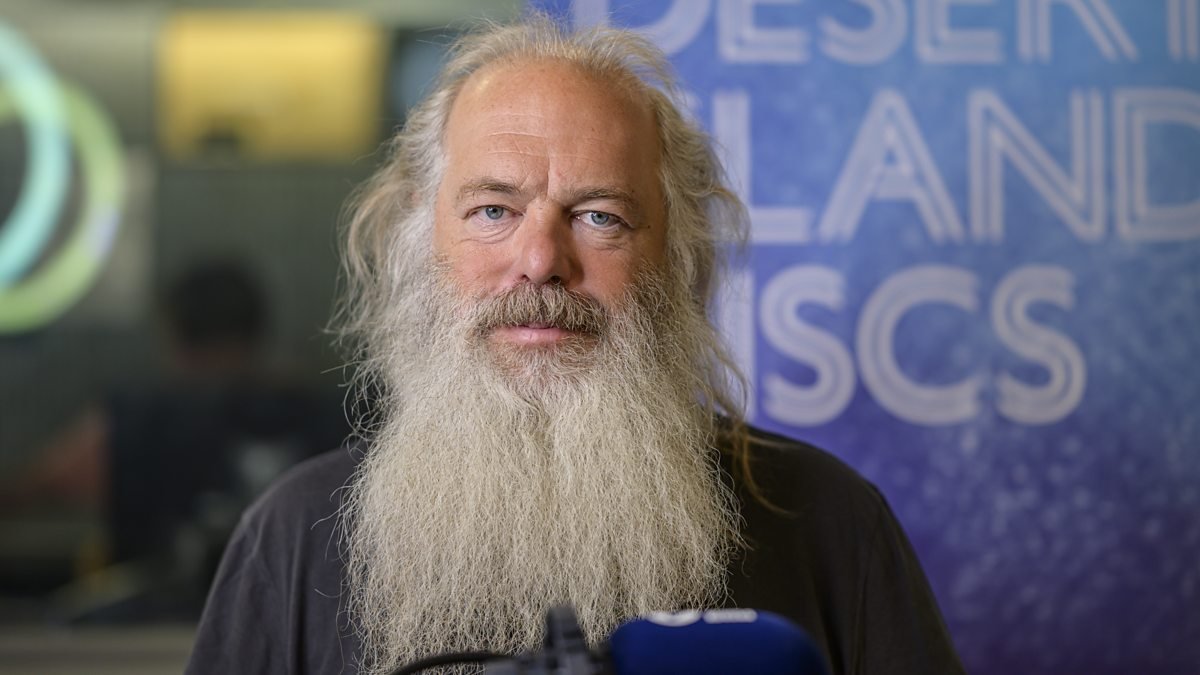
That influence wasn’t accidental. Growing up in the era when hip-hop was being reshaped in the 1980s, Morello was deeply inspired by producers like Rick Rubin, whose stripped-down yet explosive style defined a generation. Albums built on raw energy and innovation posed a challenge that stuck with Morello: how do you translate that kind of sonic disruption onto a guitar?
The answer became his signature.
With Rage Against the Machine, Morello blurred the line between musician and sound designer. His riffs hit with the force of heavy metal, but his textures felt like turntable wizardry. You could listen to a track and genuinely wonder if what you were hearing was even possible without electronics beyond a guitar and a few pedals.
When Rick Rubin later worked with Morello in Audioslave, he recognized that same spark—the kind of leap that doesn’t just elevate a player, but redefines an era. The comparison to Page wasn’t about imitation; it was about impact. It was about being the kind of musician who changes the conversation.
Of course, Audioslave wasn’t built on guitar alone. Chris Cornell’s towering presence brought its own gravity, creating a dynamic that echoed the classic power of great rock pairings. But even in that setting, Morello’s creativity stood out. Where Page explored endless tunings and arrangements, Morello often chose restraint—proving that innovation doesn’t always require more tools, just a different way of thinking.
Listen closely to his work, and unpredictability becomes the defining feature. Whether it’s the explosive riffs of “Cochise” or the haunting textures of “Like a Stone,” there’s always a sense that anything could happen next. That element of surprise is what keeps his playing alive.
And it’s not for lack of technical ability. Long before broader recognition, Morello demonstrated he could match the most skilled players note for note. But like Page, virtuosity was never the end goal—it was just one of many tools.
What truly connects these two guitarists is their mindset. They understood something fundamental: a guitar is just wood and strings. Its limits are only defined by the person holding it.