
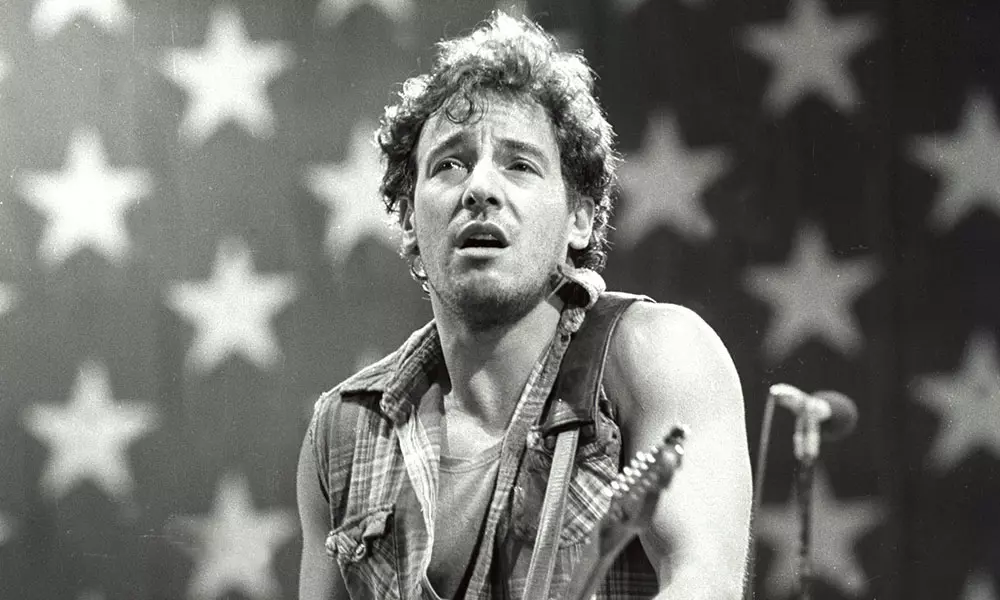
When news broke that Bruce Springsteen had sold his entire music catalog for a staggering $500 million, the reaction was immediate and predictable: shock, admiration, and a whole lot of speculation about the paycheck. After all, we’re talking about one of the most iconic songwriters in American history — a man whose music has defined generations.
But if you think this deal was just about cashing in, you’re missing the deeper story.
Because for Springsteen, this wasn’t a financial decision. It was a legacy decision.
More Than Songs — A Lifetime of Meaning
Springsteen’s catalog isn’t just a collection of hits. It’s a living, breathing archive of American life — stories of working-class struggle, restless youth, love, loss, and redemption. From Born to Run to The Rising, his music has always carried emotional weight far beyond charts and sales.
So when he chose to sell it, he wasn’t just transferring ownership. He was deciding who would be responsible for preserving and presenting that legacy long after he’s gone.
That kind of decision doesn’t come down to dollars.
Control in Letting Go
Ironically, selling his catalog may have been the ultimate act of control.
Artists often spend their entire careers fighting for ownership — only to leave behind complicated estates, legal battles, or fragmented rights when they pass. By making this move while he’s still alive, Springsteen ensured that everything stays unified, organized, and protected under one roof.
No confusion. No disputes. No dilution of what his work represents.
It’s not about giving something up — it’s about deciding what happens next.
Time Changes the Equation
At a certain point in life, priorities shift.
For younger artists, the focus is on building something — creating, expanding, proving. But for someone like Springsteen, who has already built an empire of meaning, the question becomes different:
What happens to this when I’m no longer here?
Selling the catalog answers that question in a way that is deliberate, thoughtful, and final. It turns an uncertain future into a structured one.
The Emotional Reality
There’s also a quieter, more human layer to this decision.
Springsteen has spent decades pouring himself into his music — his fears, his relationships, his identity. Letting go of that, even in a business sense, isn’t easy. It’s deeply personal.
But sometimes, stepping back is the only way to see the full picture of what you’ve created.
And maybe, just maybe, it allows you to enjoy it in a way you couldn’t before.
Not an Ending — A Different Kind of Beginning
This sale doesn’t close the book on Springsteen’s legacy. If anything, it ensures that his music will continue reaching new audiences in ways that evolve with time.
Films, documentaries, new formats — the possibilities expand when a catalog is actively managed with long-term vision.
Springsteen isn’t disappearing from his work. He’s setting it free to outlive him.
The Real Takeaway
It’s easy to reduce a headline like this to a number. $500 million is hard to ignore.
But the truth is, this move reflects something far more universal: the desire to shape how your life’s work is remembered.
Bruce Springsteen didn’t sell his catalog because he needed the money.
He did it because he understood the value of legacy — and chose to define it on his own terms.