
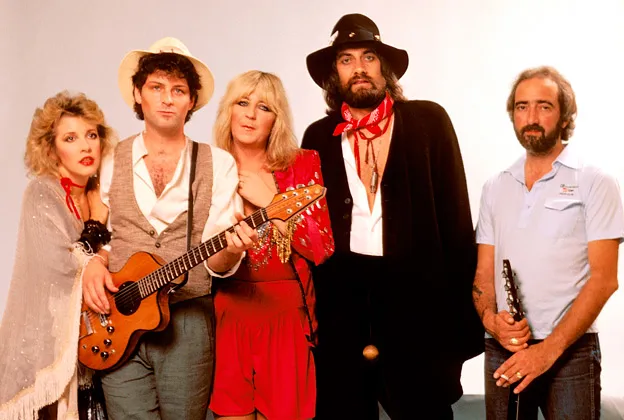
There are moments in music history that feel almost too cinematic to be real—two legendary bands, working side by side, unknowingly crafting albums that would go on to define a generation. One such moment unfolded in the 1970s, when Fleetwood Mac and the Eagles found themselves recording in studios right next door to each other, locked in a quiet but powerful competition for the top spot on the charts.
At the time, both bands were riding waves of transformation and ambition. Fleetwood Mac, fueled by internal tensions and creative reinvention, were deep into the making of Rumours—an album born from heartbreak, betrayal, and emotional chaos. Just steps away, the Eagles were channeling a different kind of intensity, refining their sound into the sleek, polished masterpiece that would become Hotel California.
Though separated by walls, the proximity created an unspoken rivalry. Engineers, producers, and musicians would pass each other in hallways, exchanging nods while fully aware that something monumental was happening on both sides. There was a shared energy in the air—one that pushed each band to dig deeper, polish harder, and create something timeless.
Fleetwood Mac’s sessions were famously volatile. Relationships within the band were unraveling in real time, and those emotions bled directly into their music. Songs like “Go Your Own Way” and “Dreams” weren’t just tracks—they were personal confrontations set to melody. Every lyric carried weight, every harmony masked tension.
Meanwhile, the Eagles were crafting a different kind of narrative. Their work leaned into storytelling, atmosphere, and a uniquely Californian mystique. “Hotel California” emerged as both a critique and a celebration of excess, fame, and the illusion of paradise. It was meticulous, layered, and haunting in its execution.
What makes this story remarkable isn’t just the rivalry—it’s the outcome. Both albums would go on to become monumental successes, dominating charts and shaping the sound of an era. They weren’t just competing for a No. 1 spot; they were unknowingly setting new standards for what rock music could achieve.
In hindsight, it feels like a perfect storm. Two bands at their creative peaks, fueled by different struggles but driven by the same desire—to create something unforgettable. The walls between their studios may have kept their sounds separate, but the energy they shared helped elevate both projects to legendary status.
It’s a reminder that sometimes, the greatest art isn’t created in isolation. Sometimes, it’s born from proximity, pressure, and the quiet knowledge that someone just next door is chasing greatness too.