
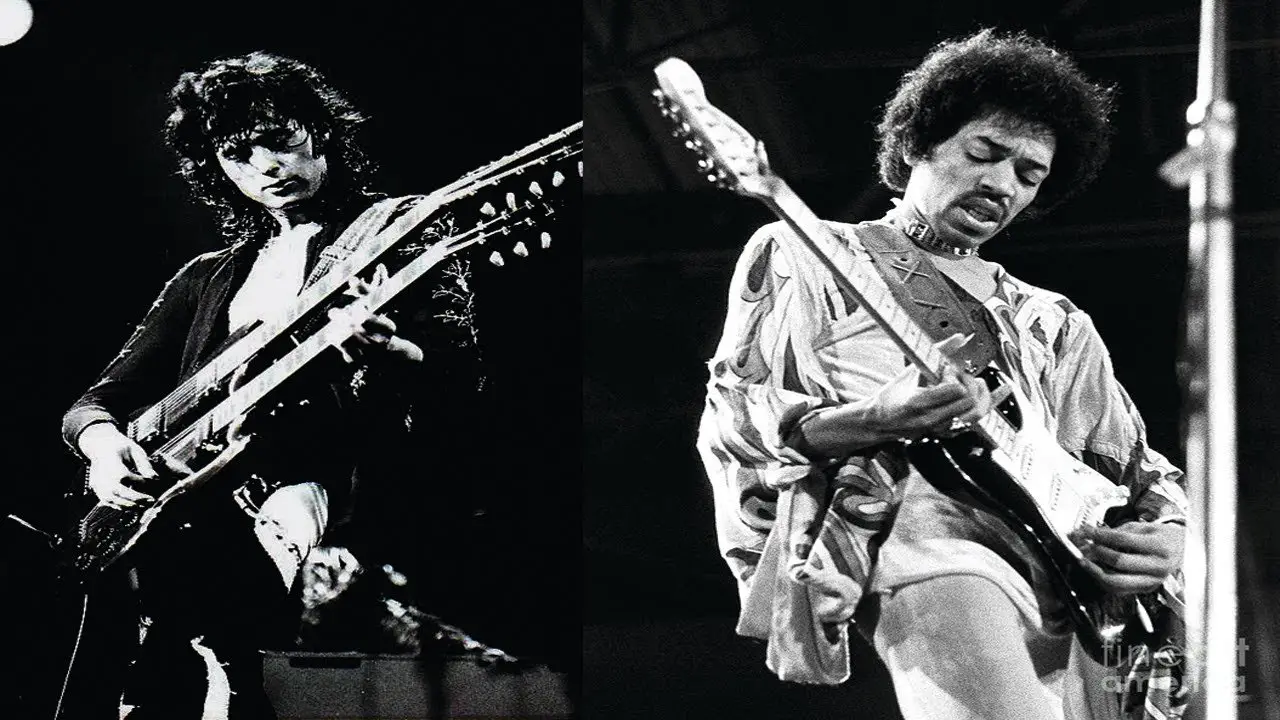
Jimi Hendrix, one of the most revolutionary guitarists in rock history, died on September 18, 1970, at the age of 27. Over the decades, countless stories and myths have circulated about his life, career, and untimely death. One of the most repeated legends is that Hendrix died with only $21 in his bank account. While this detail has captured the imagination of many fans, the truth is more complicated.
Jimi Hendrix was born in Seattle in 1942. From a young age, he showed a deep love for music and learned to play the guitar with a style that was completely unique for his time. By the mid-1960s, Hendrix had moved to London, where his career took off. With the Jimi Hendrix Experience, he released albums like Are You Experienced, Axis: Bold as Love, and Electric Ladyland, which became instant classics. His live performances, particularly at events like the Monterey Pop Festival and Woodstock, helped cement his reputation as a guitar genius.
Despite his fame, Hendrix’s financial situation was not as simple as the $21 story suggests. Like many artists, he faced challenges with management, taxes, and expenses. He had a team of people managing his tours, recordings, and contracts, and not all financial dealings were transparent. Reports from the time indicate that Hendrix had been dealing with unpaid taxes and other debts. At the time of his death, he did not leave behind vast sums of money in a personal bank account, but he did have assets in other forms, including royalties from his recordings.
The legend of the $21 has persisted largely because it symbolizes a romantic idea of the struggling artist. People like to imagine Hendrix as someone so focused on music that money barely mattered, living on the edge while creating revolutionary art. In reality, Hendrix was both wildly successful and financially complex. He had earned millions from his records and concerts, but much of that money went to management, production costs, and taxes. The image of the poor, struggling musician adds a dramatic and humanizing layer to his story, even if it is not entirely accurate.
Hendrix’s death itself also contributed to the myth. He was found unconscious in London after taking sleeping pills and passed away shortly after. The sudden and shocking nature of his death at the height of his career made him a legend almost instantly. Fans and journalists often focused on dramatic elements, like his financial state, to create narratives that would stick in the public memory.
While it may be tempting to believe that Hendrix died nearly penniless, the truth is more nuanced. He was one of the most successful musicians of his era, and his music continued to earn significant royalties even after his death. The $21 story remains a myth, a symbol of the tortured, artistic genius who cared more about music than money. In the end, Jimi Hendrix’s legacy is defined not by bank accounts, but by the revolutionary sound he created and the influence he left on generations of musicians.
Even today, Hendrix remains an icon, proving that true genius is measured in creativity, passion, and cultural impact—not in dollars and cents.