
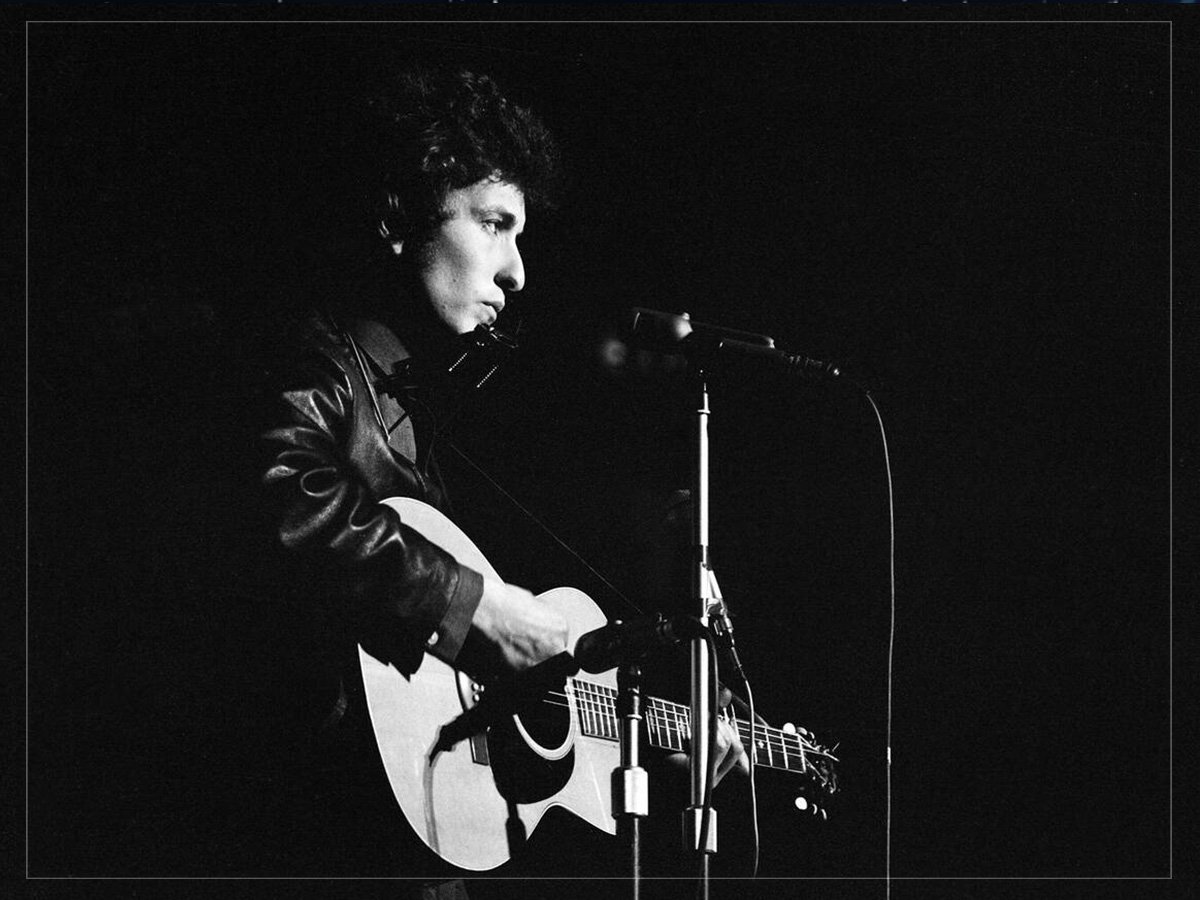
Bob Dylan wrote “Blowin’ in the Wind” in approximately ten minutes, sitting in the back of a Greenwich Village café in 1962. He played it to a friend that same evening. Within a year, it would become the anthem of the American civil rights movement. Within a decade, it would be one of the most recorded songs in the history of popular music. Today, it has been covered by nearly 500 artists from Elvis Presley to Stevie Wonder, from Marlene Dietrich to Neil Young — making it the most covered song Dylan ever wrote, and one of the most covered songs of the 20th century.
None of that was obvious at first.
Dylan recorded “Blowin’ in the Wind” on July 9, 1962, but didn’t release it for almost a year. In the meantime, he played it live while other artists circled the song cautiously. The melody was adapted from an old African American spiritual — something Dylan himself later confirmed — and the lyrics posed a series of rhetorical questions about war, freedom, and human dignity that resisted easy answers. That ambiguity was deliberate. But it also made the song hard to categorize, and harder to sell.
The first cover version came from the Chad Mitchell Trio, but their record company delayed the release because the song contained the word “death.” That hesitation cost them the moment. Dylan’s manager Albert Grossman, who also managed Peter, Paul and Mary, moved faster.
Peter, Paul and Mary released their cover just three weeks after Dylan’s original, recording it in a single take. It climbed to number two on the Billboard Hot 100. Dylan’s original didn’t chart at all. The song that would define him was introduced to the world by someone else.
But it spread quickly after that. In 1963 alone, the song was covered 24 times. Artists who heard it understood immediately that something unusual had happened — that a young folk singer from Minnesota had somehow distilled the entire moral weight of a generation into three verses and a repeated refrain.
Sam Cooke was among the most deeply affected. He covered the song and, by his own account, was so moved by the fact that a young white man had captured the frustrations of Black America so precisely that it inspired him to write “A Change Is Gonna Come” — one of the greatest songs in American history.
Dylan wrote the song using a melody pulled from the traditional African American spiritual “No More Auction Block.” That spiritual had been sung by formerly enslaved people. The lineage of the song runs deeper than most people know.
Ten minutes in a café. Nearly 500 recorded versions. An anthem performed at the March on Washington before 250,000 people. A song that moved a Pope, inspired a civil rights movement, and has never stopped being sung. Whatever Dylan was doing in that café, he was doing something that cannot be fully explained — only heard.