
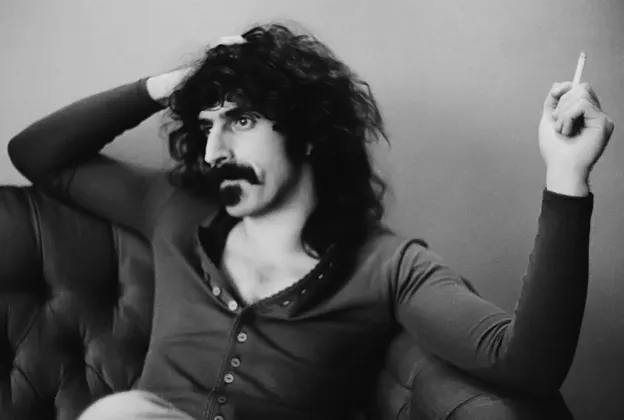
In the early 1970s, rock music was changing fast. Artists were experimenting with new sounds, new ideas, and new ways of expressing themselves. Two of the most unique musicians of that time were John Lennon and Frank Zappa. Both were bold, creative, and not afraid to break the rules. So when they finally crossed paths, it felt like something special was about to happen.
At that time, Lennon had already left The Beatles and was exploring his own artistic freedom. He was diving into more personal and experimental music, often influenced by his relationship with Yoko Ono. Meanwhile, Zappa was already known for pushing boundaries with his band, The Mothers of Invention. His music was complex, strange, and often satirical—very different from mainstream rock.
Lennon had openly admired Zappa. He once said he respected how Zappa stood by his work without worrying about what others thought. That kind of attitude was something Lennon wanted for himself after years of being part of a global pop phenomenon.
In June 1971, something unexpected happened. A journalist introduced Lennon to Zappa in New York. Not long after, Zappa invited Lennon and Ono to perform with him at a live show at Fillmore East. It wasn’t a carefully planned collaboration—more like a spontaneous jam session. Zappa later said he thought it would just be “good for a few laughs.”
That night, the performance was mostly improvised. The musicians experimented on stage, creating music in the moment. Zappa was recording the show and later offered Lennon a copy of the recordings so they could both use them. At first, this seemed fair.
But this is where things got complicated.
Some of the music played that night wasn’t completely improvised. One important piece was a Zappa composition called “King Kong.” Zappa planned to release it later with his band. However, before he could do that, Lennon and Ono released part of that performance on their album Some Time in New York City. They renamed the track “Jamrag” and credited themselves as the songwriters.
For Zappa, this was a serious problem. “King Kong” already had a clear structure and melody—it wasn’t just a random jam. In his view, it was his work. Years later, Zappa expressed his frustration, pointing out that the song clearly had an original creator—and it wasn’t Lennon or Ono.
Was this intentional? Probably not. It seems more like a rushed decision or misunderstanding. In the fast-moving world of music production, mistakes can happen—especially when dealing with live recordings and collaborations. Still, the situation left a lasting impact.
This incident also showed a deeper difference between the two artists. Lennon, even in his experimental phase, still had roots in mainstream success. He understood the importance of releasing music and reaching audiences. Zappa, on the other hand, cared more about artistic control and integrity than commercial success. For him, music wasn’t just something to sell—it was something to protect.
In the end, their collaboration didn’t lead to a lasting partnership. Instead, it became a strange and slightly tense moment in rock history. What could have been a powerful creative alliance turned into a lesson about ownership, respect, and the challenges of artistic collaboration.
Even so, the story remains fascinating. It reminds us that even the greatest artists can misunderstand each other—and that creativity, while exciting, can sometimes come with conflict.