
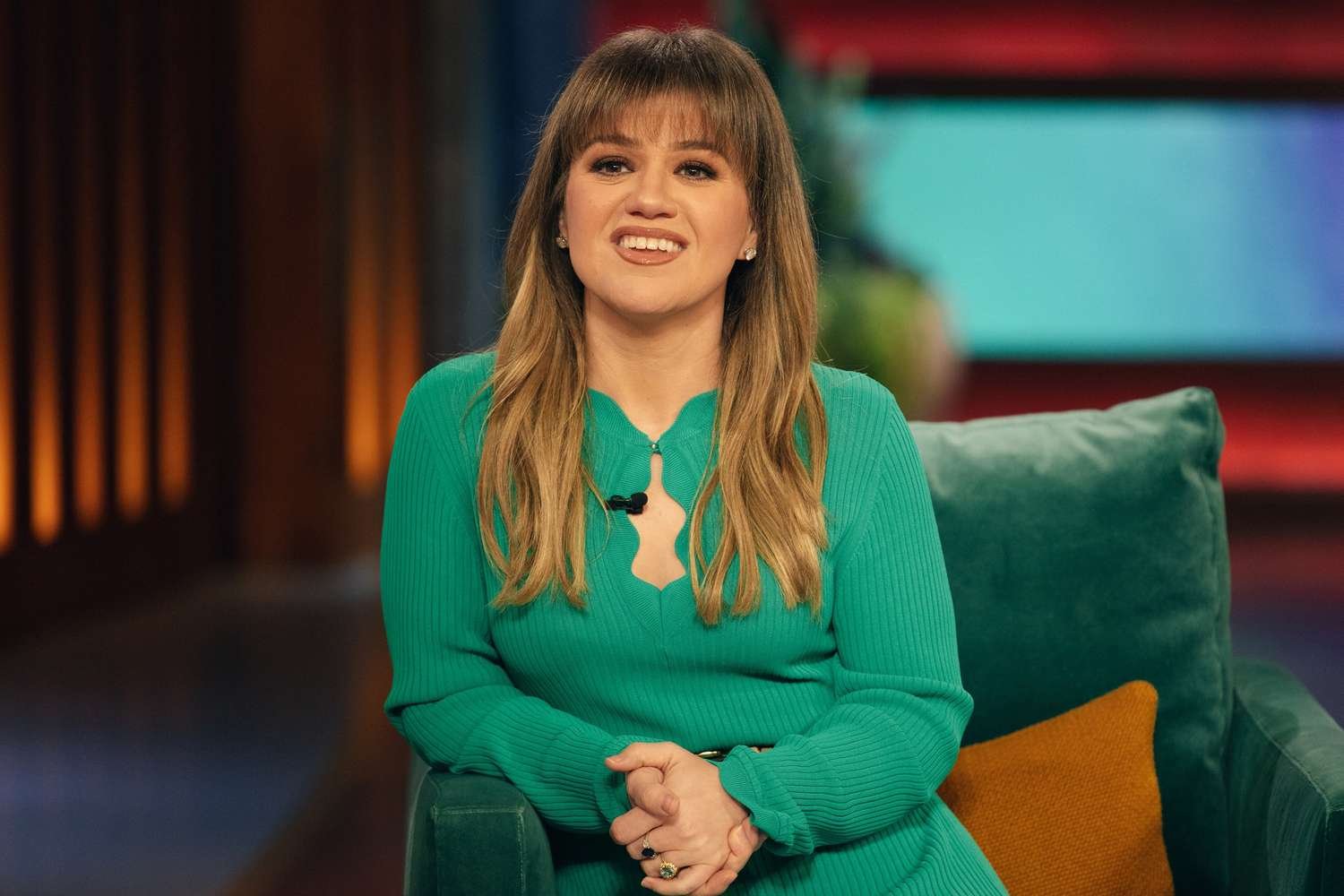
For nearly three decades, one song remained an untouchable challenge—admired but rarely attempted. When Whitney Houston released Run to You as part of The Bodyguard soundtrack, it quickly became one of the most revered ballads in music. Not only is the song emotionally demanding, but its structure is also unforgiving. The delicate opening requires breath control and restraint, while its powerful climax demands precision, stamina, and fearless high notes, leaving no room for error.
Few singers dared to take it on.
Then, during a Kellyoke segment on The Kelly Clarkson Show, Kelly Clarkson decided to ignore the whispered warnings. Even her production team questioned whether attempting Run to You live—without the luxury of rehearsal edits or studio safety nets—was worth the risk. Clarkson’s response was simple: if you’re going to honor Whitney, you go all the way.
From the very first note, it was clear Clarkson understood the challenge.
She resisted the temptation to oversing. The opening verses were restrained, intimate, and almost conversational. While many vocalists approach Whitney’s songs with competitive bravado, Clarkson took a disciplined approach. She allowed the melody to breathe, saving energy for the storm she knew was coming.
The pre-chorus shifted the mood. Her tone thickened, her vibrato tightening with control rather than strain. By the time she reached the chorus, the studio audience could feel something rare: not an imitation of Whitney, but a re-interpretation grounded in deep technical mastery.
Run to You is infamous for its final ascent—a climactic moment that tests even the most seasoned performers. Whitney delivered it with both power and vulnerability, solidifying her place as one of the greatest vocalists of all time. The song’s closing moments require sustained belts in the high register, all while maintaining emotional clarity. A single miscalculated breath can unravel the performance.
Clarkson didn’t unravel.
She climbed.
Each high note rang out clean and centered, supported rather than forced. There was no visible tension, no desperate push. When she hit the final peak, the audience erupted mid-phrase. In that instant, the “forbidden” label surrounding the song seemed to fade.
Clips of the performance quickly spread across social media, amassing over 15 million views in just a few days. Fans flooded the comment sections, boldly declaring it the definitive cover of the century. While this may seem like hyperbole, the consensus was undeniable—Clarkson had solved a puzzle that many singers wisely avoid.
What made her performance stand out wasn’t just technical precision. It was emotional connection. Clarkson didn’t try to outdo Whitney; she filtered the song through her own voice—earthier in texture, but equally commanding. She honored the original while imprinting it with her own vocal identity.
Whitney Houston’s legacy remains untouchable, and no cover can replace the original. But Clarkson’s interpretation proved something just as powerful: truly great songs can stand up to fearless voices.
By conquering Run to You, Kelly Clarkson didn’t just showcase her range. She demonstrated discipline, musical intelligence, and the rare vocal durability necessary to tackle one of the most daunting songs in music. In doing so, she transformed a song once considered un-coverable into a viral masterclass—a reminder of what happens when preparation meets courage on a live stage.
https://www.facebook.com/photo/?fbid=122248812212105025&set=a.122135193164105025