
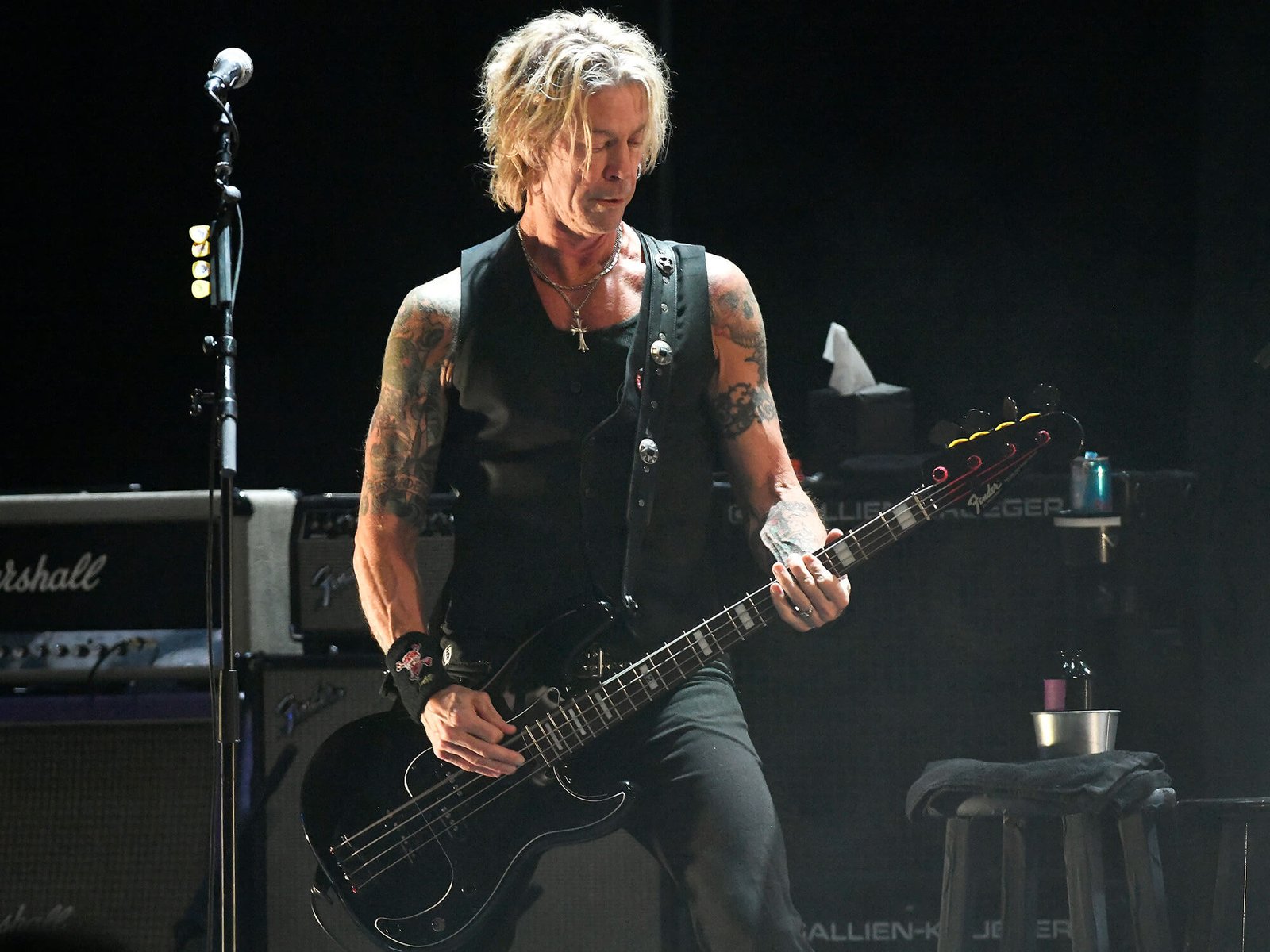
The roar of stadium crowds once defined Duff McKagan’s life. But in 1994, the sound that mattered most was silence — the sterile, suffocating quiet of a hospital wing.
Susan Holmes-McKagan has shared the haunting details of that pivotal moment, remembering the day everything came crashing down. Years of relentless touring with Guns N’ Roses, coupled with heavy alcohol abuse, had pushed Duff’s body to the brink. His pancreas ruptured — a catastrophic medical emergency that doctors later confirmed was directly caused by years of heavy drinking.
This wasn’t metaphorical. It wasn’t exaggerated for effect.
It was life-threatening reality.
Susan remembers the shock of hearing the prognosis. The doctors didn’t soften the blow. If Duff didn’t stop drinking, they warned, he could die within weeks. There was no room for negotiation. No gentle tapering off. The choice was clear: stop drinking or don’t survive.
For a man whose very identity had been built on the excesses of rock stardom, that ultimatum could have shattered him. Addiction thrives in the realm of denial, and the rock culture of the 1990s didn’t exactly promote moderation. But something shifted in that hospital room.
“He chose the music over the poison,” Susan has said.
The decision wasn’t just about quitting alcohol; it was about re-channeling the intensity that had once fueled his destructive behaviors. Duff has always described himself as obsessive — a trait that can be dangerous without structure but incredibly powerful when focused.
Rather than simply entering rehab and hoping willpower would be enough, he replaced his addiction with something else.
Mountain biking became his obsession. Not casual rides — but grueling climbs and endurance trails that gave him the same adrenaline rush he once sought onstage. Martial arts followed. Structured training. Repetition. Focus. Physical exhaustion that left no room for cravings.
Susan witnessed as the energy that had once spiraled into self-destruction transformed into a relentless pursuit of fitness. Duff approached his recovery like a rigorous tour schedule — unforgiving, intense, and non-negotiable. Where late-night drinking sessions had once been the norm, pre-dawn workouts now filled the void.
The transformation wasn’t just physical; it was systemic.
Sobriety gave Duff clarity, but fitness gave him structure. He rebuilt his body the way an artist might meticulously craft a new album. Over time, the man who had been given mere weeks to live became a symbol of long-term resilience.
Thirty years later, that decision continues to echo far beyond personal health. It allowed him to keep making music, to reunite with his bandmates, and to once again stand on stages — not as a cautionary tale, but as a testament to reinvention.
Susan often reflects that while the hospital crisis was terrifying, it also stripped away any illusions. There was no longer any room for romanticizing excess. The choice was immediate and stark.
The silence of that hospital room became a turning point louder than any amplifier.
Duff didn’t just survive.
He built a blueprint — one where obsession fuels discipline, and where choosing life makes the music even stronger.
https://www.facebook.com/photo/?fbid=851972557879801&set=a.162924676784596