
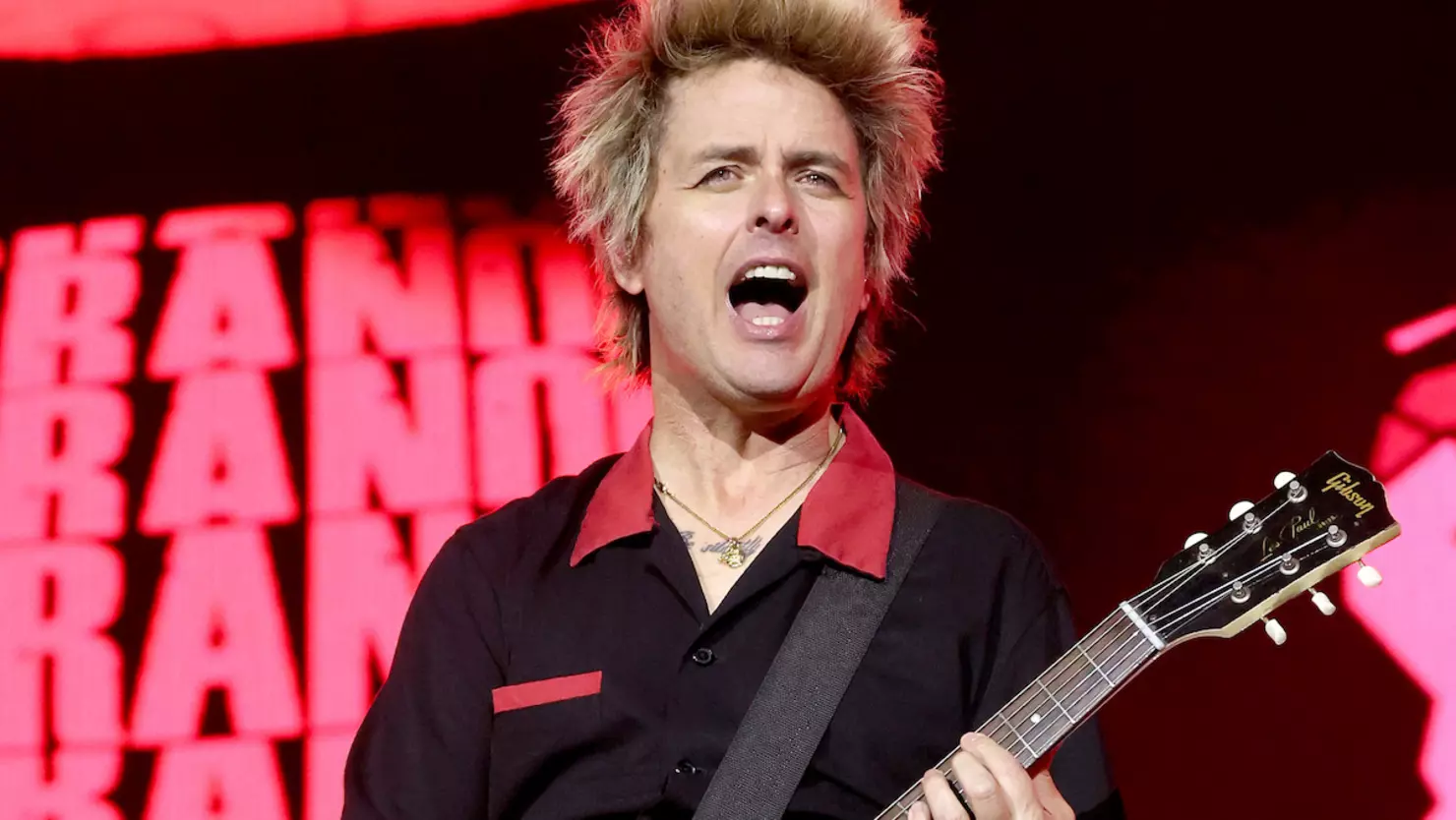
The early days of Green Day were very different from the stadium shows and global fame the band would later experience. In the late 1980s, they were just a young punk band from the Bay Area of California trying to make their mark in a small underground music scene.
The band’s singer and guitarist, Billie Joe Armstrong, grew up surrounded by punk music and DIY culture. The Bay Area had a strong underground punk community where bands played in small clubs and independent labels released music without major industry support. Green Day were part of this scene, influenced by local punk groups and the simple, fast style of classic punk rock.
At the time, mainstream rock music looked very different. In the late 1980s and early 1990s, flashy “hair metal” bands dominated the charts and music television. These bands often had big hairstyles, dramatic music videos, and huge arena tours. While they were popular, many young musicians felt that the music lacked honesty and real emotion.
Armstrong was one of those musicians. He had no interest in being part of the glam metal scene. Instead, he was drawn to music that felt raw, emotional, and authentic.
Everything changed when a band from Seattle suddenly took over the rock world.
When Nirvana Arrived
In 1991, Nirvana released their breakthrough album Nevermind. The record featured the powerful hit song Smells Like Teen Spirit, which quickly became one of the most important rock songs of the decade.
The band’s frontman, Kurt Cobain, was very different from the rock stars that came before him. Instead of looking glamorous or trying to be flashy, Cobain appeared quiet, thoughtful, and deeply emotional. His music connected with young listeners who felt like outsiders or misfits.
For many people, Nirvana represented something completely new. Their songs mixed punk energy with strong melodies and honest lyrics about frustration, identity, and life struggles.
When Armstrong first heard Nevermind, he immediately felt that something huge had happened in rock music.
He later explained that hearing Nirvana felt like his generation finally had its defining band. Armstrong said, “I remember hearing it when Nevermind came out and just thinking, we’ve finally got our Beatles, this era finally got our Beatles.”
By comparing Nirvana to The Beatles, Armstrong was talking about their cultural impact. Just like The Beatles changed music in the 1960s, Nirvana transformed rock in the early 1990s.
A New Era of Rock Music
Nirvana’s success changed the music industry almost overnight. Suddenly, alternative rock and punk-influenced bands became popular on the radio and MTV. Before Nirvana, it was almost impossible for a punk-style band to become famous. After Nevermind, everything was different.
This shift helped open the door for many other bands, including Green Day.
Only a few years later, Green Day released their breakthrough album Dookie in 1994. The album became a massive success and helped bring punk rock into the mainstream. Songs like “Basket Case” and “When I Come Around” introduced millions of new listeners to pop-punk music.
Although Green Day and Nirvana had different musical styles—Green Day being more upbeat and melodic while Nirvana leaned toward darker grunge—both bands came from underground scenes and helped reshape rock music in the 1990s.
Respect Between Musicians
Even after Green Day became one of the biggest bands in the world, Armstrong continued to speak with deep respect about Cobain and Nirvana.
He praised Cobain’s songwriting ability and honesty, saying that Cobain wrote “beautiful songs” and had a rare ability to express real emotions through music.
For Armstrong, the most important thing about Nirvana was their authenticity. Cobain wrote songs directly from his feelings and experiences, and that honesty connected with millions of listeners.
The Last Rock Revolution?
Armstrong has even suggested that the arrival of Nirvana was the last true rock revolution. In his view, Nevermind completely changed the music landscape and created a moment that may never be repeated.
Whether or not that is true, one thing is clear: Nirvana left a massive impact on rock music and on musicians like Billie Joe Armstrong.
Without Nirvana breaking down the barriers between underground music and mainstream success, bands like Green Day might not have reached such huge audiences.
And for Armstrong, that moment in 1991—when he first heard Nevermind—still stands as one of the most important turning points in rock history.